Israel launches 'large-scale operation' to locate last hostage in Gaza
NPR • 1/25/2026 – 1/26/2026
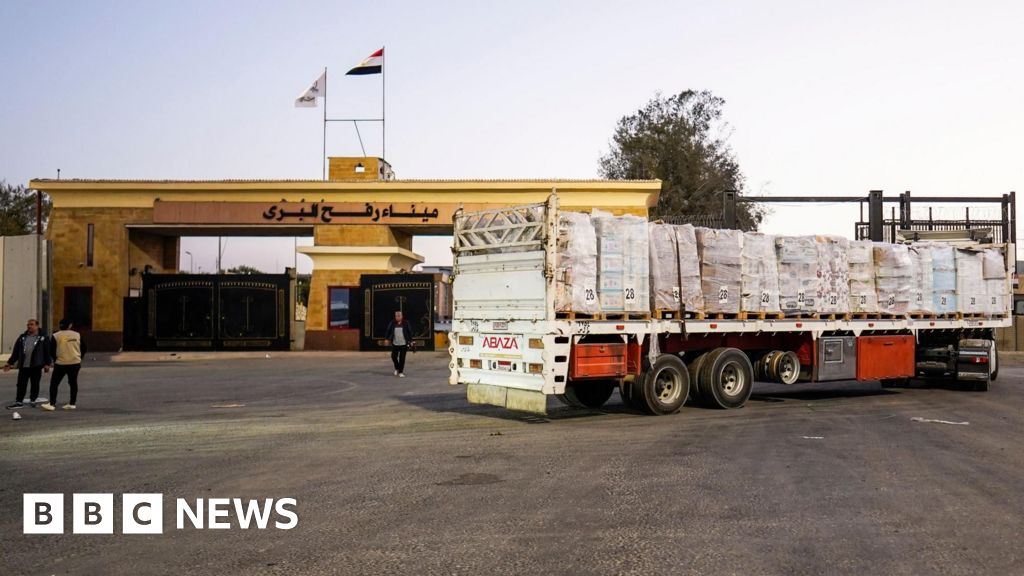
Summary
Israel has initiated a significant military operation aimed at locating the last remaining hostage, Ran Gvili, held in Gaza. This action comes four days after the hostage's return was viewed as a crucial step towards advancing the second phase of a ceasefire brokered by the United States. The ongoing situation underscores the complexities of hostage negotiations and military operations in conflict zones, reflecting a broader historical pattern of how hostage situations can influence ceasefire agreements and peace processes. The urgency surrounding Gvili's recovery highlights the human cost of conflict and the lengths to which nations will go to secure the release of their citizens. This operation not only affects the immediate parties involved but also has implications for regional stability and international diplomatic efforts. The interplay between military action and negotiations in such scenarios is a recurring theme in global conflicts, illustrating the challenges of balancing security concerns with humanitarian considerations. The outcome of this operation could set a precedent for future hostage situations and ceasefire negotiations in the region.
Advertisement
Cluster Activity
Lindy Score Breakdown (V4.2)
Story Timeline
- 2026-01-25
- 2026-01-26Israel launches 'large-scale operation' to locate last hostage in Gaza (current)
AnalysisRisk 10
Same Story from 11 sources


Breaking Similar stories
Anti-Lindy Similar stories