Astronomers unveil 400 sibling star clusters in the Milky Way
Phys.org • 11/28/2025

Summary
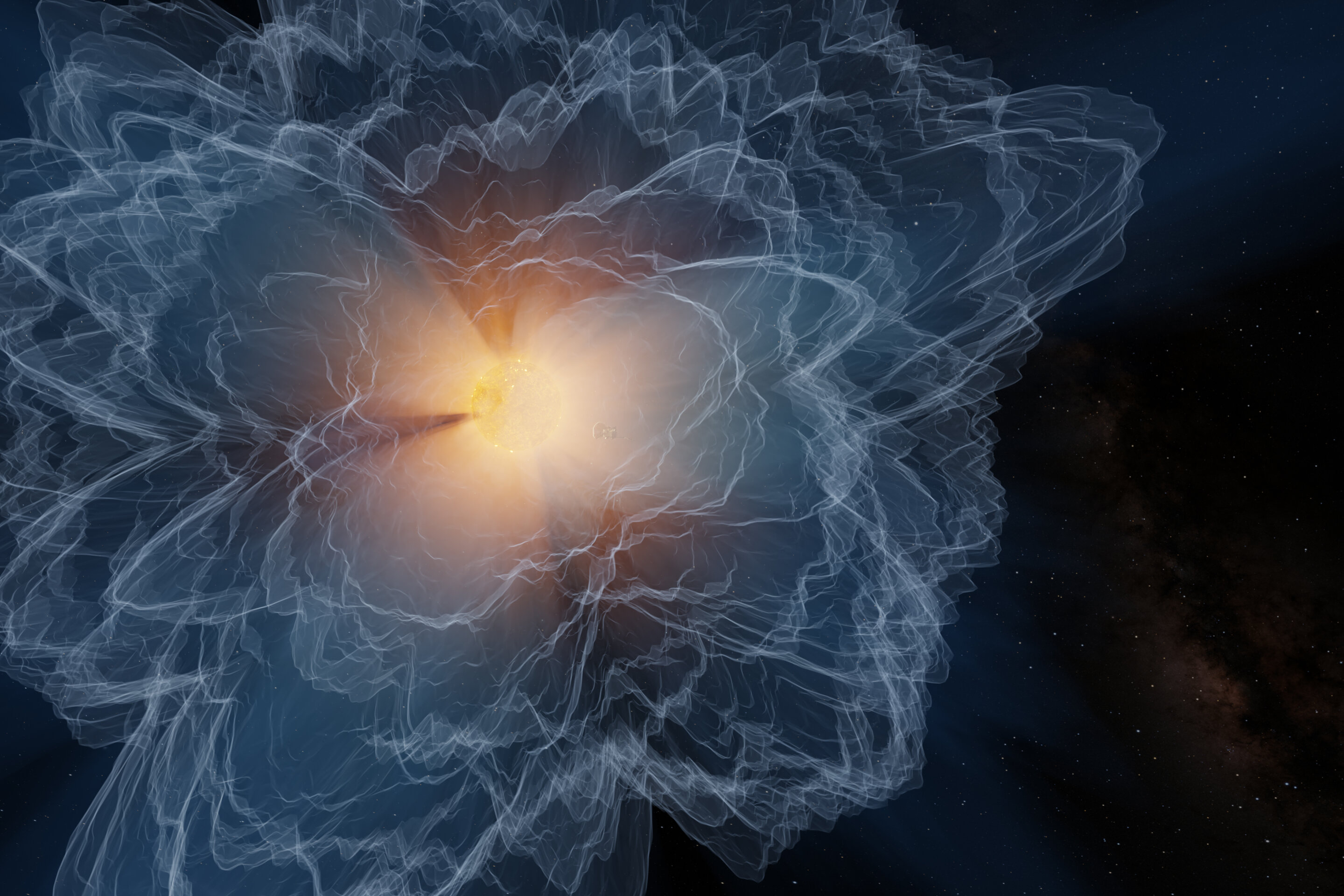
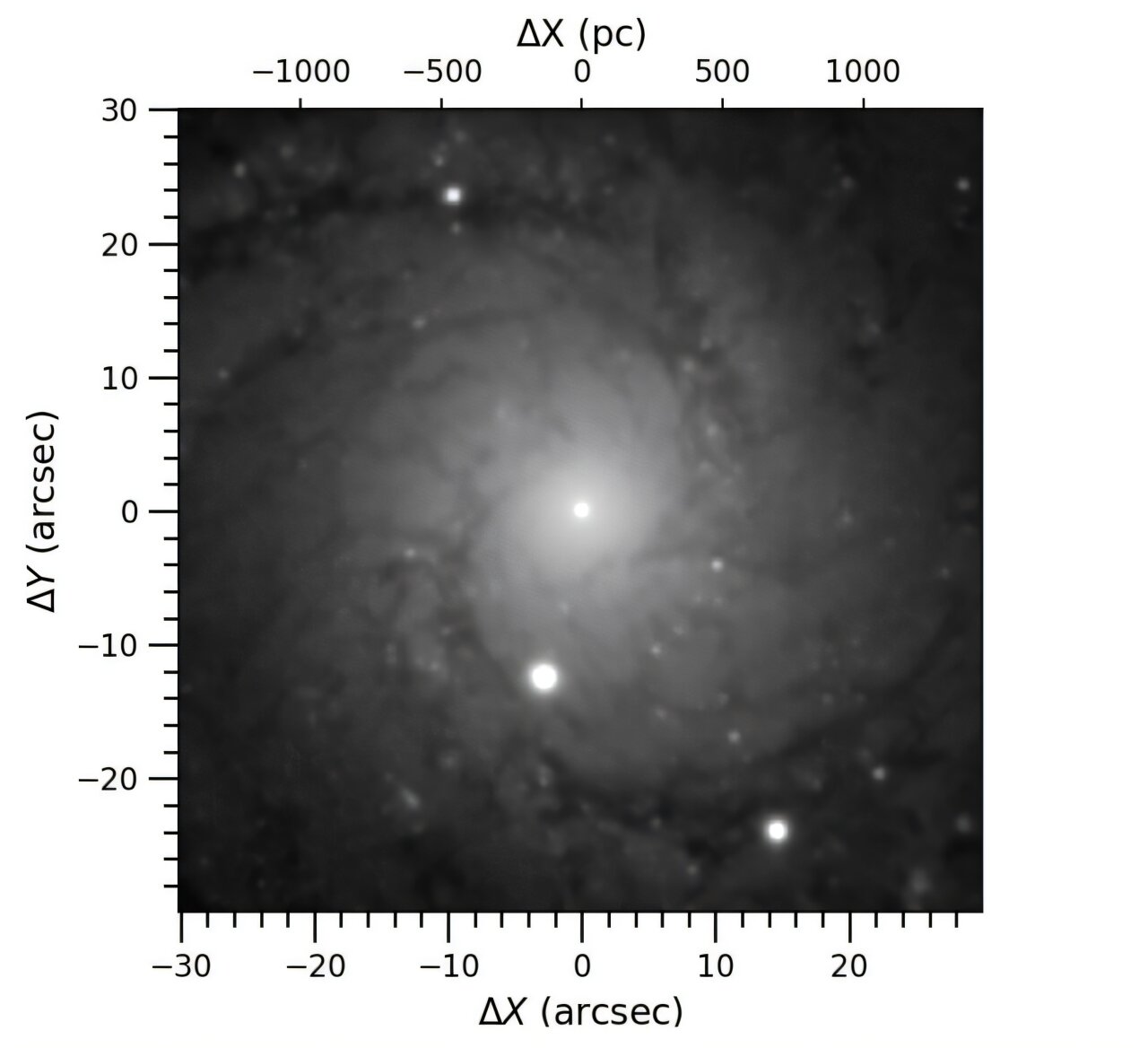
Astronomers have unveiled 400 sibling star clusters in the Milky Way, which are important for understanding star formation and cluster evolution. These clusters, known as binary clusters (BCs), consist of pairs of open clusters that are closely associated in both position and kinematics. The study of BCs provides insights into how stars form within giant molecular clouds, making them significant indicators of stellar development. In related astronomical discoveries, researchers have observed a coronal mass ejection from a distant star, marking a milestone in the understanding of stellar phenomena. Coronal mass ejections are large expulsions of plasma and magnetic fields from the solar corona, and studying these events in distant stars can enhance knowledge about stellar behavior and environmental conditions. Additionally, astronomers have documented a star exhibiting a "wobbling" motion around a black hole, which supports Einstein's theory of general relativity. This phenomenon, known as the Lense-Thirring effect, demonstrates the dragging of spacetime caused by the rotation of the black hole, providing compelling evidence for effects predicted by Einstein over a century ago. Moreover, astronomers from New Mexico State University and Northwestern University have captured images of a rare exoplanet that resembles Tatooine from the "Star Wars" franchise. This exoplanet, which is five times the mass of Jupiter, has an unusual 300-year orbit around two stars. The study highlights the complexities of planetary formation in binary star systems and raises questions about the potential for life in such environments. These discoveries collectively contribute to the growing body of knowledge regarding stellar and planetary dynamics, emphasizing the importance of ongoing research in astrophysics.
Advertisement
Cluster Activity
Lindy Score Breakdown (V4.2)
Story Timeline
- 2025-11-28Astronomers unveil 400 sibling star clusters in the Milky Way (current)
- 2025-12-09
- 2025-12-10
- 2025-12-11
- 2025-12-12
Score BreakdownRisk 35
Stories gain Lindy status through source reputation, network consensus, and time survival.
Same Story from 9 sources




Breaking Similar stories







Anti-Lindy Similar stories