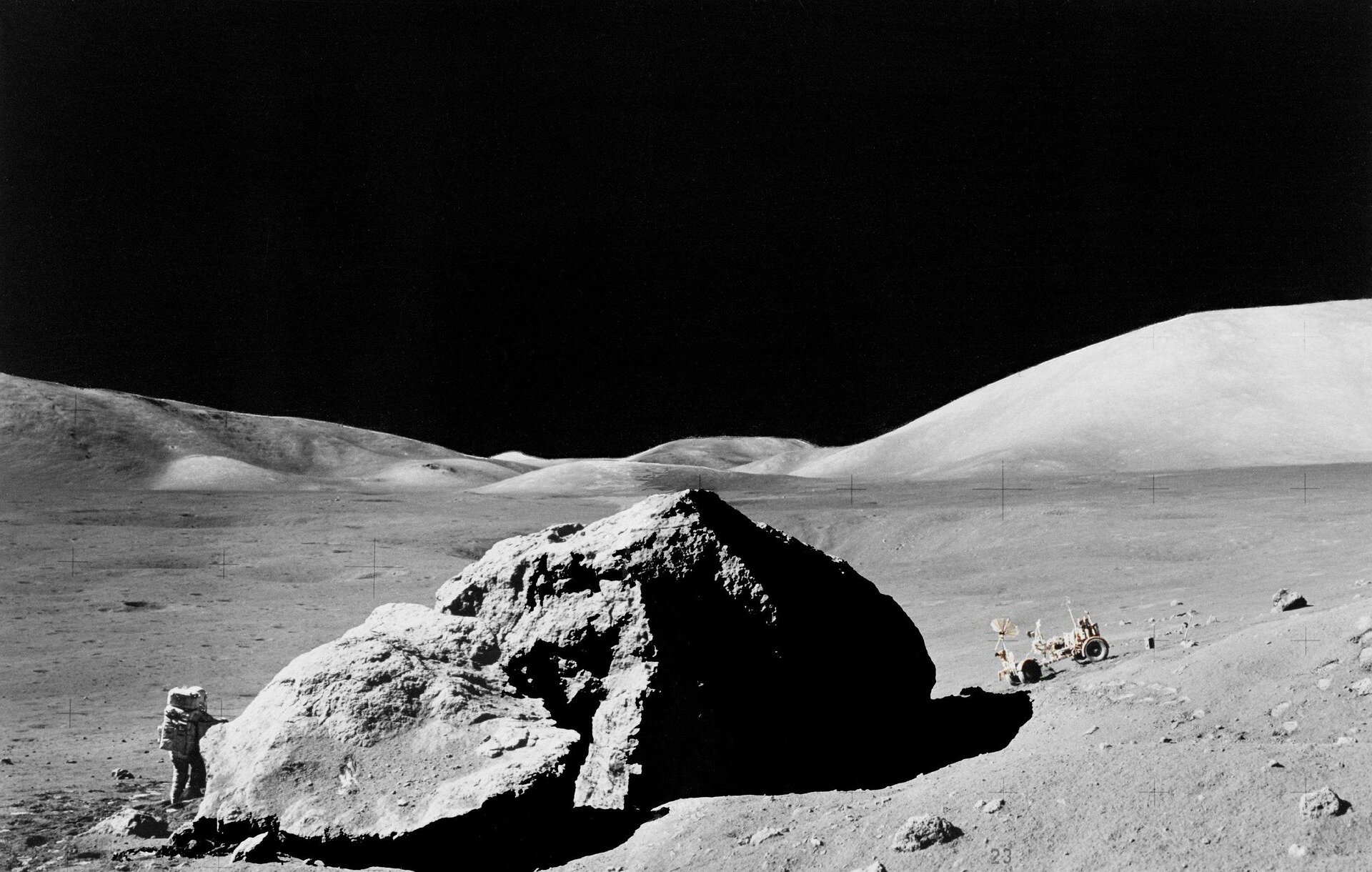
How to build a genome: Scientists release troubleshooting manual for synthetic life
Phys.org • 12/2/2025 – 12/14/2025
Summary
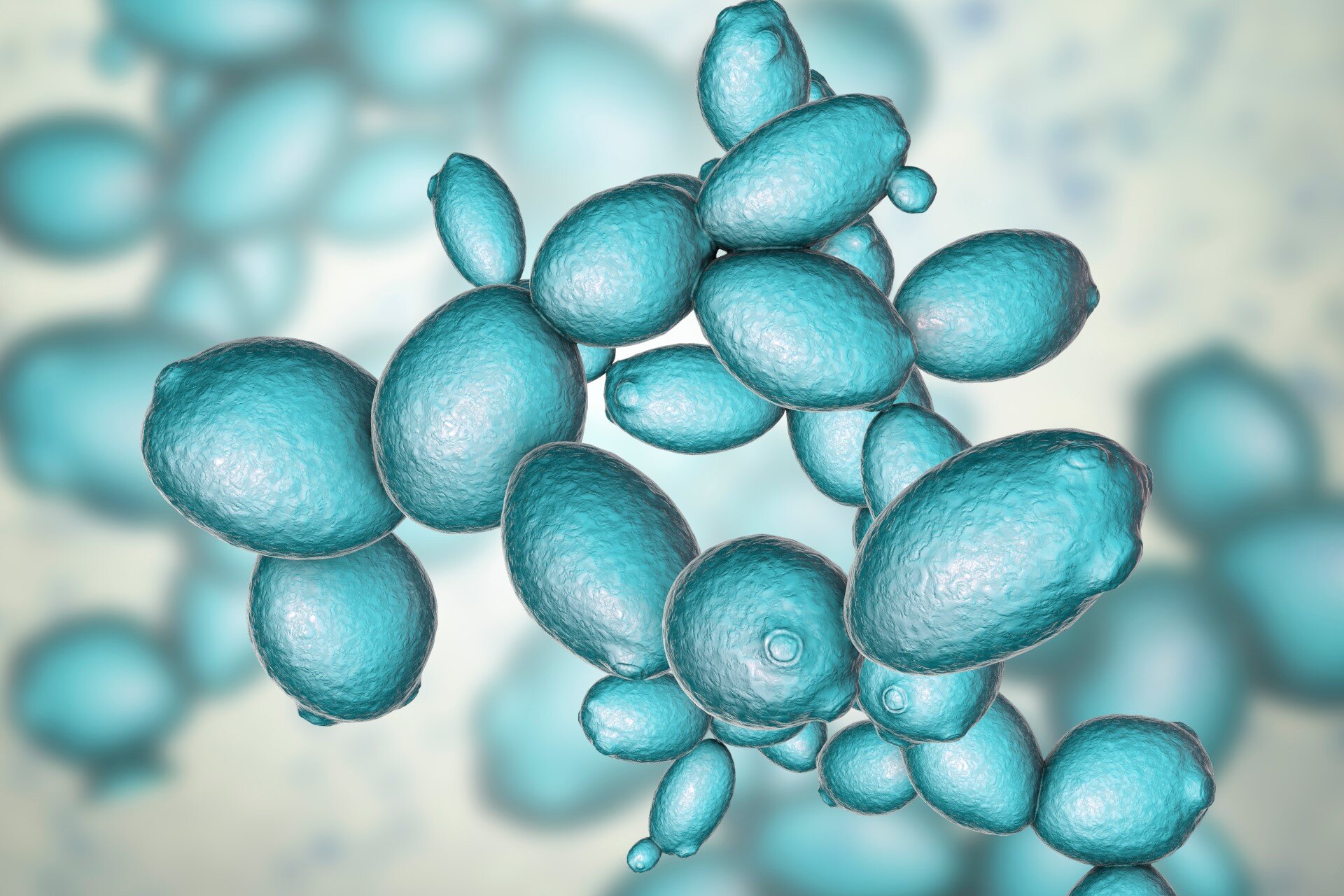
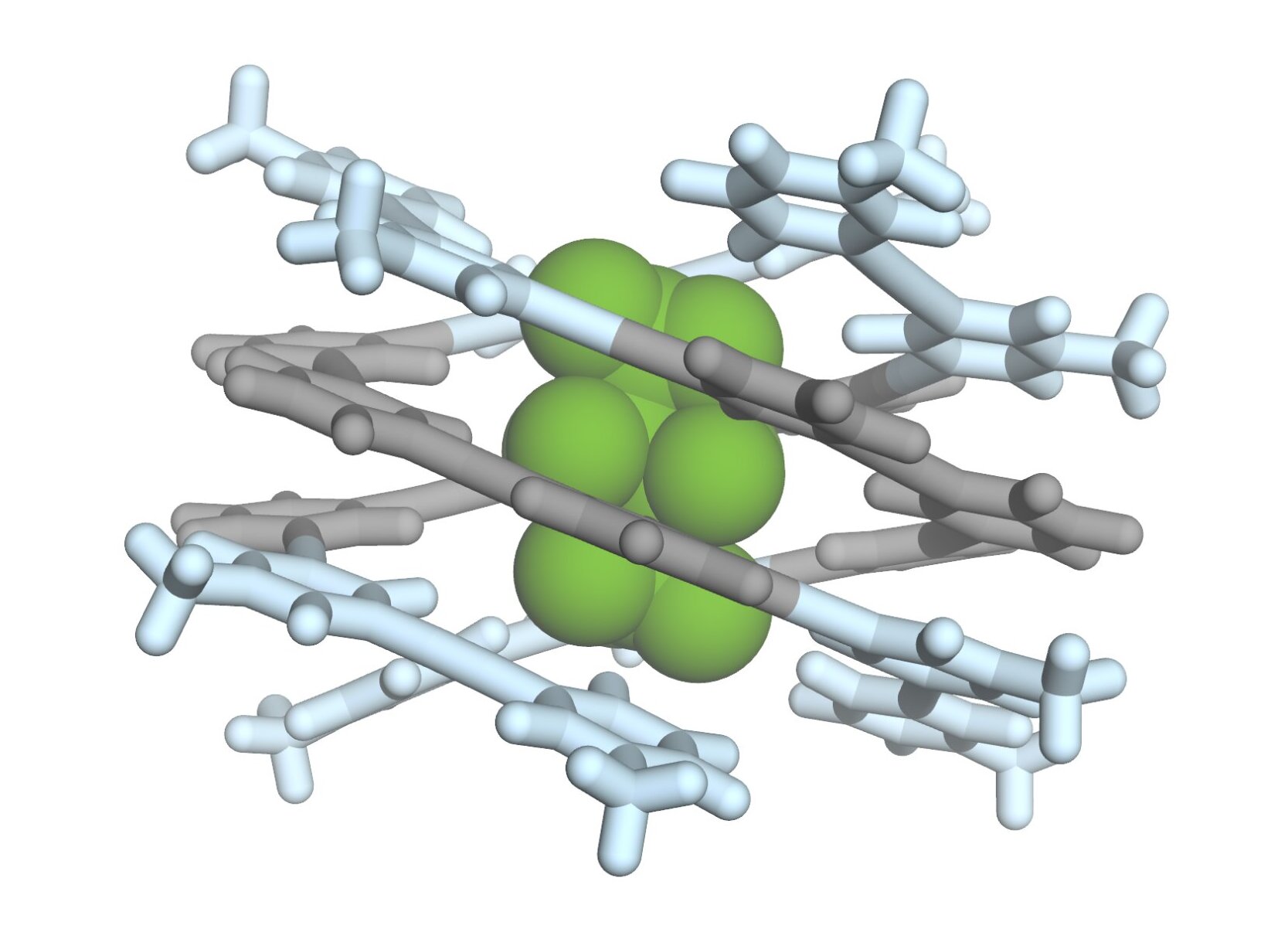
Leading synthetic biologists have published a paper in Nature Biotechnology detailing their experiences and lessons learned from a decade-long effort to construct the world's first synthetic eukaryotic genome. This troubleshooting manual aims to provide insights that could expedite the development of engineered organisms, which may include climate-resilient crops and custom-built cell factories. The research reflects significant advancements in synthetic biology, highlighting the potential for creating organisms tailored for specific purposes. In a related field, researchers at the University of Jyväskylä have made a breakthrough by discovering a method to program synthetic molecules to adopt specific spiral-like structures. This innovation involves embedding instructions directly into the molecular sequence, which could pave the way for the development of new smart materials and molecular devices capable of adapting to their environments. Such advancements in molecular programming may have far-reaching implications for material science and engineering. Additionally, a significant discovery has been made regarding hydrogen reserves located deep within the Earth's crust. Scientists have identified a substantial reserve of hydrogen that could potentially meet global energy needs for tens of thousands of years. This finding, resulting from drilling approximately 0.6 miles into the Earth's crust, suggests that the hydrogen could serve as a sustainable energy source, contributing to the transition towards green energy and reducing reliance on fossil fuels. These developments across various scientific disciplines underscore the ongoing exploration and discovery in fields such as synthetic biology, material science, and Earth sciences. The insights gained from these studies not only enhance our understanding of biological and geological processes but also hold promise for future technological advancements and sustainable energy solutions.
Advertisement
Cluster Activity
Lindy Score Breakdown (V4.2)
Story Timeline
- 2025-12-02
- 2025-12-09
- 2025-12-10
- 2025-12-11How to build a genome: Scientists release troubleshooting manual for synthetic life (current)
Score BreakdownRisk 25
Stories gain Lindy status through source reputation, network consensus, and time survival.
Same Story from 11 sources

Breaking Similar stories





Anti-Lindy Similar stories