BBC Inside Science
BBC • 12/2/2025 – 12/14/2025

Summary
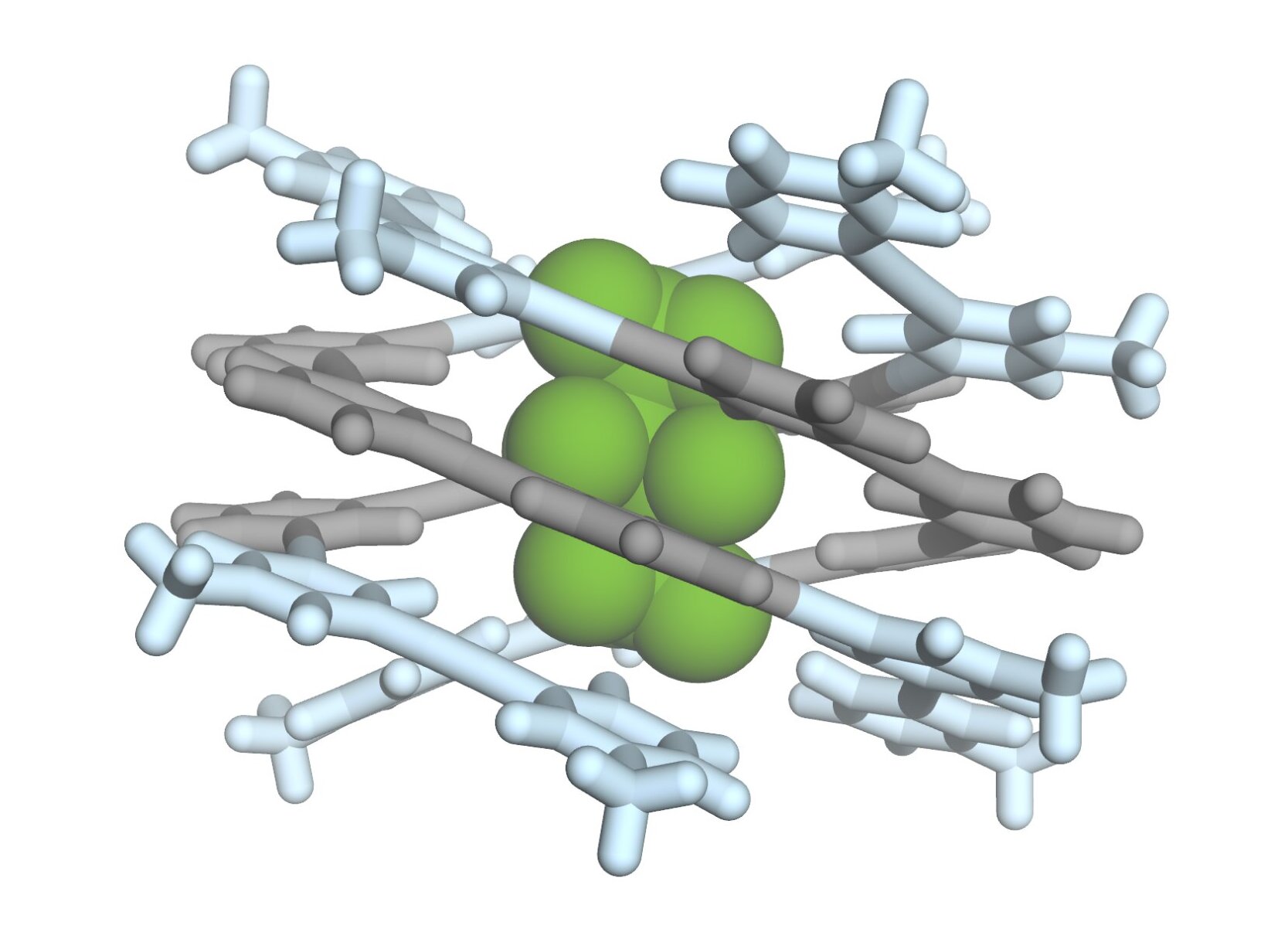
Recent research has revealed that early Neanderthals were capable of making fire 350,000 years earlier than previously believed. This finding significantly alters the understanding of technological advancements among early humans, highlighting their ability to manipulate their environment. The capacity to create fire on demand is considered a crucial milestone in human evolution, marking a significant development in survival strategies. This discovery emphasizes the importance of fire in the lives of early humans and their adaptation to various challenges. In a related context, the Environmental Protection Agency (EPA) has made notable changes to its online resources regarding climate change. The agency has removed references to fossil fuels, which are widely recognized as the primary driver of global warming. The updated content now focuses solely on natural phenomena, despite scientific consensus indicating that nearly all warming is attributable to human activities. This alteration has drawn criticism from scientists who argue that it misrepresents the causes of climate change and undermines the urgency of addressing fossil fuel emissions. Additionally, researchers at the University of Jyväskylä have discovered a method to program synthetic molecules to form specific spiral-like structures. This breakthrough involves embedding instructions directly into the molecular sequence, which could lead to the development of new smart materials and molecular devices that adapt to their surroundings. Such advancements have potential implications in various fields, including materials science and engineering, showcasing the ongoing progress in scientific research and innovation.
Advertisement
Cluster Activity
Lindy Score Breakdown (V4.2)
Story Timeline
- 2025-12-02
- 2025-12-09
- 2025-12-10
- 2025-12-11BBC Inside Science (current)
AnalysisRisk 10
Same Story from 11 sources


Breaking Similar stories









Anti-Lindy Similar stories