Cracking leishmaniasis: New DNA test can track infection
Phys.org • 11/11/2025

Summary
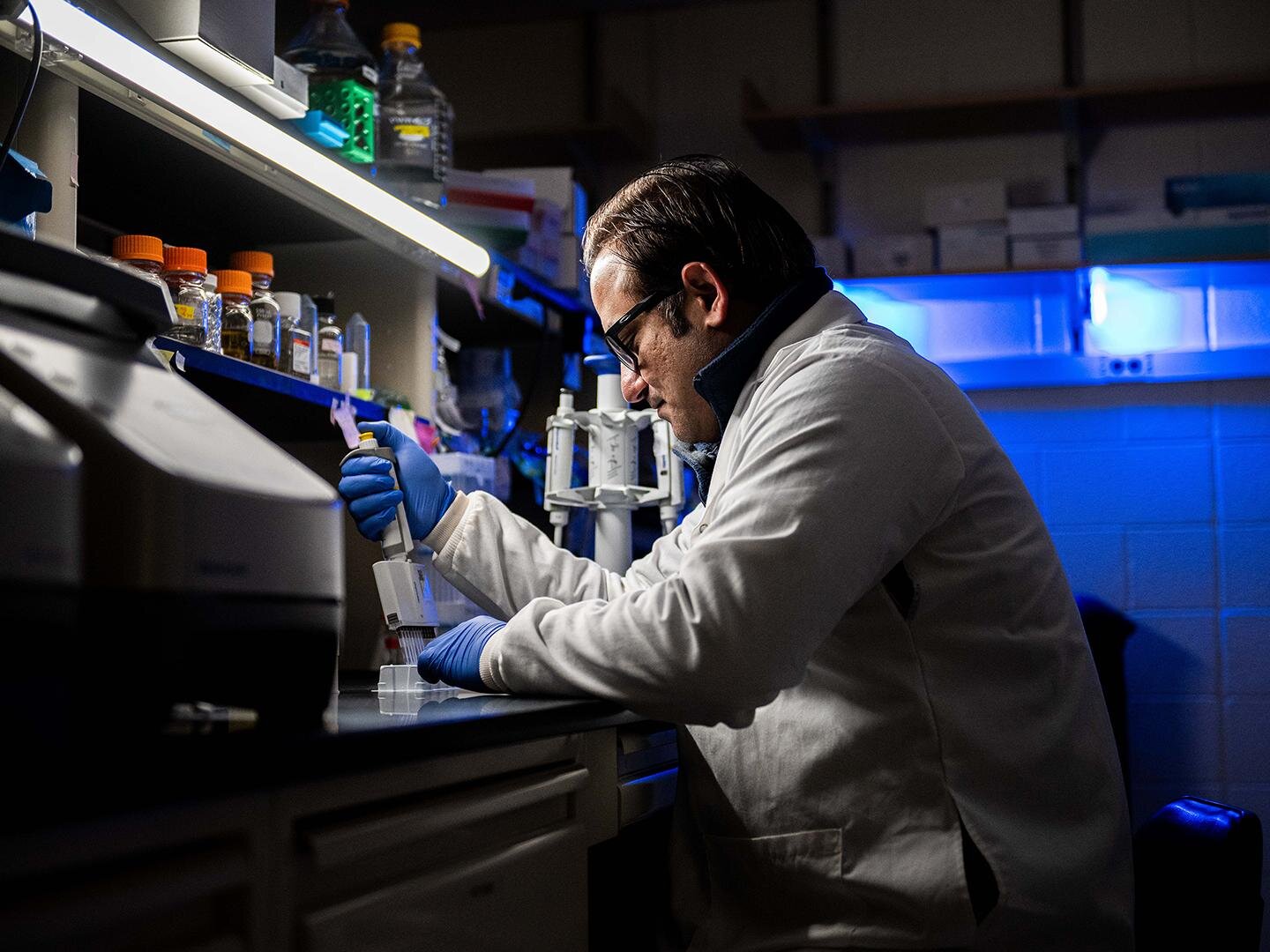
Leishmaniasis is a parasitic disease transmitted by sand flies, affecting both humans and animals in Israel and various regions worldwide. The disease presents significant challenges for veterinarians and public health experts due to its complex transmission cycle, which involves multiple species of sand flies and a variety of wild and domestic reservoirs. The need for effective tracking and diagnosis of leishmaniasis has led to the development of a new DNA test aimed at improving the understanding and management of this disease. A research team from the A*STAR Genome Institute of Singapore (A*STAR GIS) has made advancements in DNA sequencing technology that could enhance the detection of leishmaniasis. They have developed a method that allows for the accurate and efficient reading of DNA containing non-standard bases, which was previously considered too complex for conventional DNA sequencers. This innovative approach combines nanopore sequencing with artificial intelligence (AI), enabling the decoding of these additional "letters" in DNA at high speed and with high accuracy. The findings of this research were published in Nature Communications. The implications of this new DNA test extend beyond leishmaniasis, as the methodology could also be applied to other areas of medicine and biotechnology. The ability to decode non-standard DNA bases may lead to improved diagnostic tools and treatment strategies for various diseases. This advancement represents a significant step forward in the field of genetic research and its applications in public health. In addition to the developments in leishmaniasis tracking, other advancements in DNA sequencing methods have been reported. For instance, a novel methylation analysis method known as UMBS-seq has been introduced, addressing long-standing issues in traditional bisulfite sequencing that damages DNA. This enzyme-based alternative offers a more consistent approach to analyzing DNA methylation, further contributing to the evolving landscape of genetic research and its potential applications in understanding diseases.
Advertisement
Cluster Activity
Lindy Score Breakdown (V4.2)
Story Timeline
- 2025-11-11Cracking leishmaniasis: New DNA test can track infection (current)
- 2025-11-13
Score BreakdownRisk 50
Stories gain Lindy status through source reputation, network consensus, and time survival.
Same Story from 3 sources


Breaking Similar stories




Anti-Lindy Similar stories