Svalbard Polar Bears Are Getting Fatter (for Now), Study Finds
The New York Times • 1/29/2026 – 1/31/2026
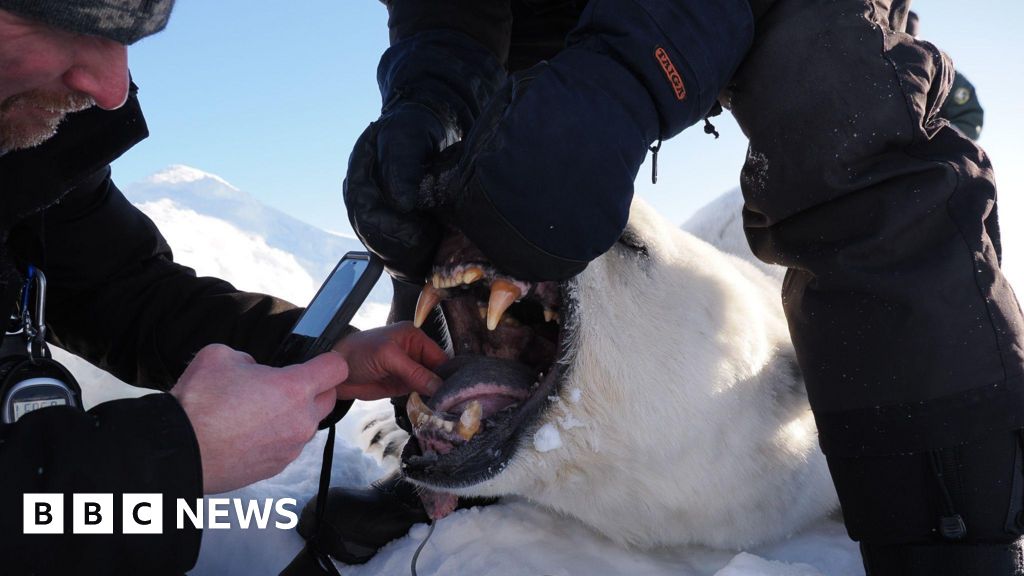
Summary
A recent study has revealed that polar bears in Svalbard are currently experiencing an increase in body weight due to the declining sea ice, which has made their primary prey, seals, more accessible. Conducted by researchers in the Arctic region, the findings suggest that while bears are benefiting from this temporary abundance, the long-term implications of climate change remain uncertain. This story highlights a critical intersection of climate change and wildlife adaptation, illustrating how environmental shifts can create short-term advantages for certain species. The phenomenon of polar bears gaining weight amid diminishing ice serves as a poignant reminder of the complex dynamics within ecosystems facing rapid transformation. Historically, such patterns have been observed in various species as they adapt to changing habitats, but the sustainability of these adaptations is often questionable. As climate change continues to impact polar regions, understanding these temporary boons is essential for wildlife management and conservation efforts. The situation underscores the urgency of addressing climate change, as the benefits seen today may quickly reverse, leading to dire consequences for polar bears and their habitat in the future.
Advertisement
Lindy Score Breakdown (V4.2)
Story Timeline
- 2026-01-29Svalbard Polar Bears Are Getting Fatter (for Now), Study Finds (current)
AnalysisRisk 20
Same Story from 2 sources
Breaking Similar stories










Anti-Lindy Similar stories