Navalny Was Poisoned With Frog Toxin, European Governments Say
The New York Times • 2/14/2026

Summary
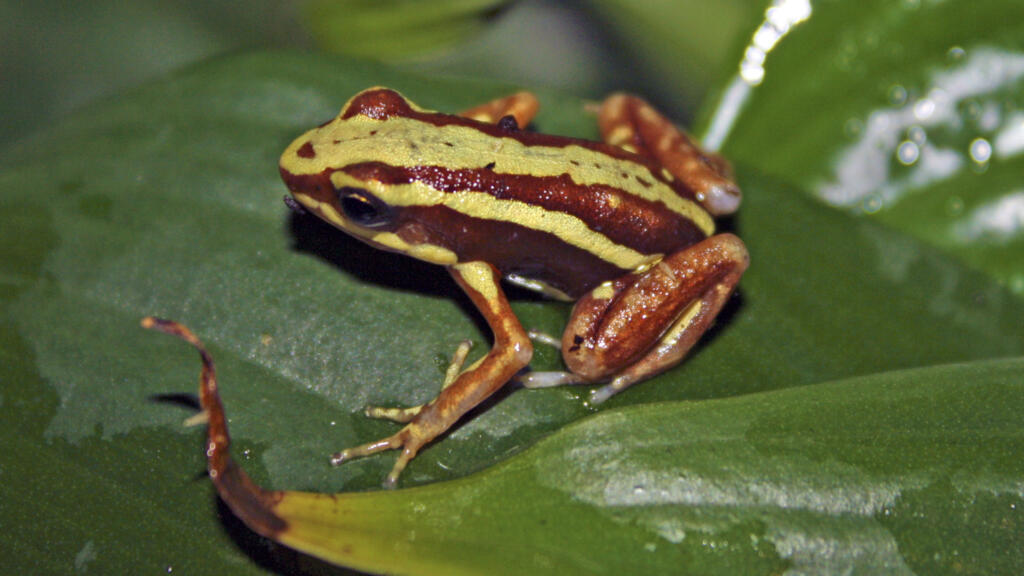
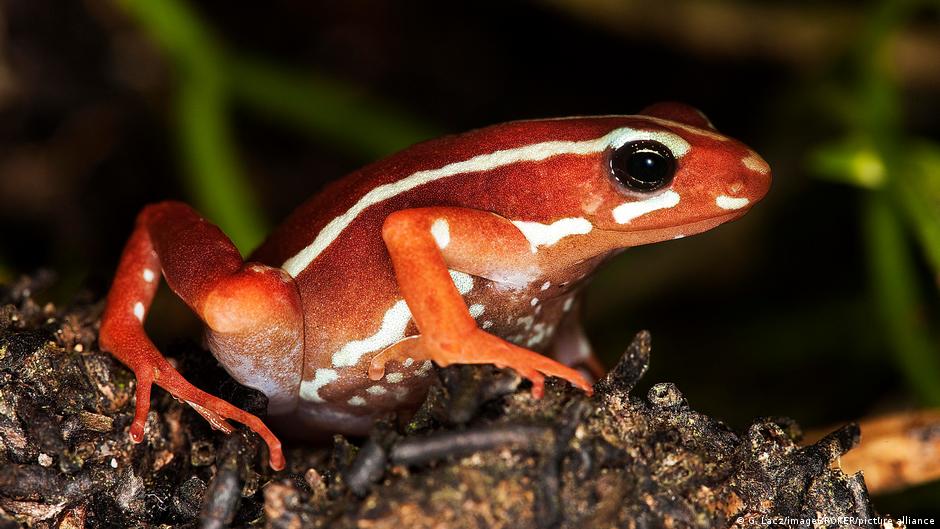
Five European countries, including the United Kingdom, France, Germany, Sweden, and the Netherlands, have accused Russia of poisoning Russian dissident Alexei A. Navalny with a toxin derived from poison dart frogs, specifically a neurotoxin known as epibatidine. This conclusion was reached following analyses of samples taken from Navalny's body, which reportedly confirmed the presence of the toxin. The findings were announced in a joint statement during the Munich Security Conference, where the European nations expressed confidence in their results regarding the cause of Navalny's death. Navalny, a prominent critic of Russian President Vladimir Putin, died in February 2024 while serving a 19-year sentence in an Arctic prison. The European governments stated that the toxin is not naturally occurring in Russia, raising serious concerns about the Kremlin's methods against dissenters. The use of such a rare and potent toxin has led to international condemnation and calls for accountability regarding the treatment of political prisoners in Russia. In response to these allegations, Russia has rejected the claims of poisoning Navalny with dart frog toxin. The Foreign Office of the UK emphasized that there is no innocent explanation for the presence of the toxin in Navalny's body, further underscoring the severity of the accusations against the Russian government. The situation highlights ongoing tensions between Russia and Western nations regarding human rights and political repression.
Advertisement
Cluster Activity
Lindy Score Breakdown (V4.2)
Story Timeline
- 2026-02-14Navalny Was Poisoned With Frog Toxin, European Governments Say (current)
- 2026-02-15
- 2026-02-16
- 2026-02-17
- 2026-02-18
AnalysisRisk 10
Same Story from 11 sources







Breaking Similar stories







Anti-Lindy Similar stories