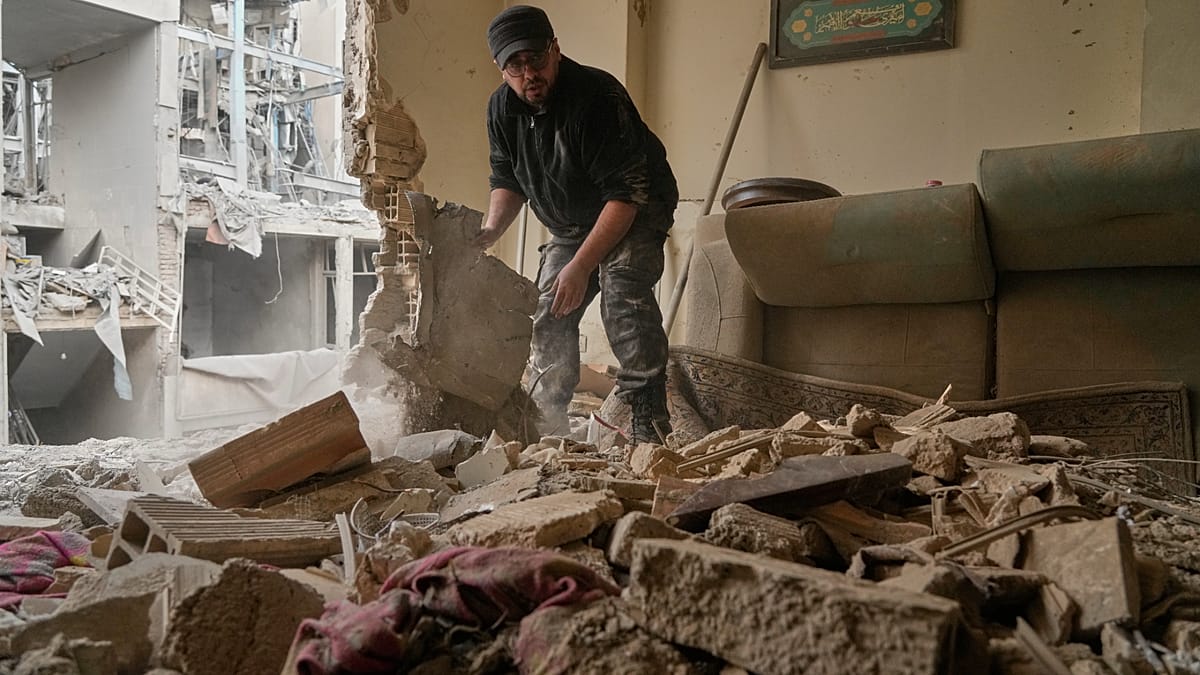
Syrian state forces deploy in Kurdish-run city under ceasefire deal
Reuters • 1/24/2026 – 2/2/2026
Summary
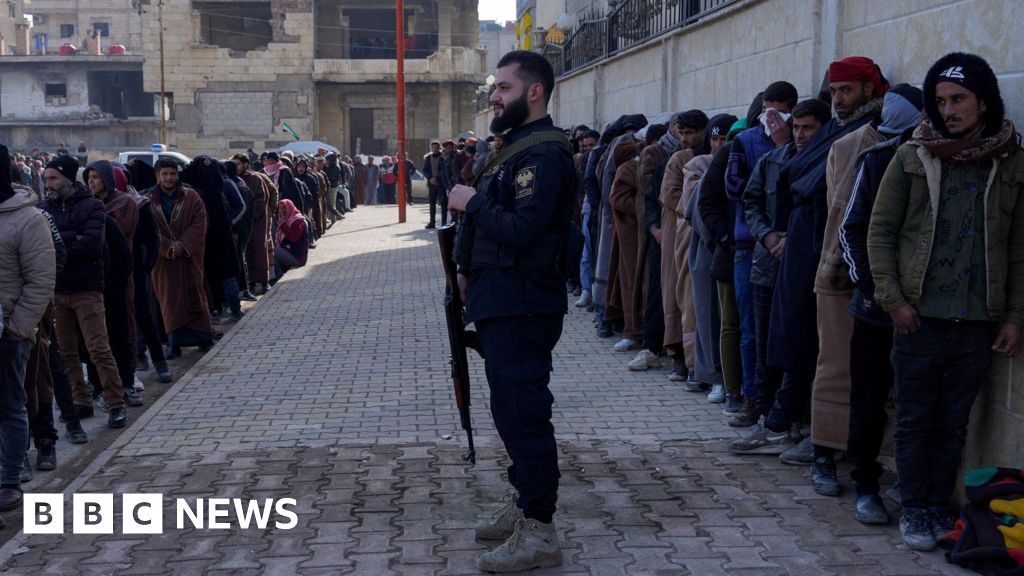
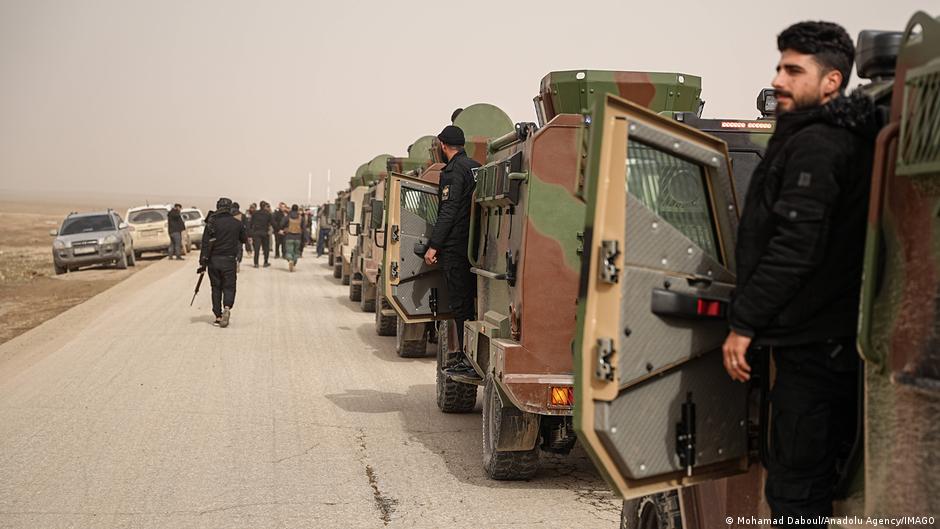
Syrian government forces have deployed in the Kurdish-majority city of Hasakah as part of a newly established ceasefire agreement with the Kurdish-led Syrian Democratic Forces (SDF). This deployment marks a significant shift in the control dynamics of the region, which had been under the SDF's authority. The ceasefire agreement, initiated just two days prior to the deployment, aims to stabilize northeastern Syria amid ongoing tensions between various factions. The cooperation between Syrian and Kurdish forces is reportedly supported by the United States, indicating a broader international interest in the region's stability (Reuters, Al Jazeera). The agreement between the Syrian government and Kurdish-led forces involves the gradual incorporation of Kurdish forces and their administrative structures into the broader Syrian state. This development reflects a significant change in the historically contentious relationship between these groups, suggesting a trend toward reconciliation and power-sharing in a region marked by ethnic and political divisions. The integration of Kurdish forces into the state framework may serve as a precedent for other regions experiencing similar ethnic tensions, highlighting the potential for negotiated settlements in complex conflicts (BBC). In recent weeks, Syrian government forces have made notable territorial gains against the SDF, further solidifying the authority of President Ahmed al-Sharaa. The ongoing conflict has underscored the volatility of the region and the complex interplay of power among various factions. As the ceasefire takes hold, the implications of these territorial changes may influence future negotiations and the geopolitical landscape in Syria (The Hindu, Deutsche Welle). The situation remains fluid, with the balance of power and prospects for lasting peace being closely monitored as developments unfold.
Advertisement
Cluster Activity
Lindy Score Breakdown (V4.2)
Story Timeline
- 2026-01-24
- 2026-01-30
- 2026-02-02Syrian state forces deploy in Kurdish-run city under ceasefire deal (current)
- 2026-02-03
AnalysisRisk 10
Same Story from 11 sources




Breaking Similar stories




Anti-Lindy Similar stories