Syrian government and Kurdish forces reach deal on permanent truce
The Guardian • 1/24/2026 – 1/31/2026

Summary
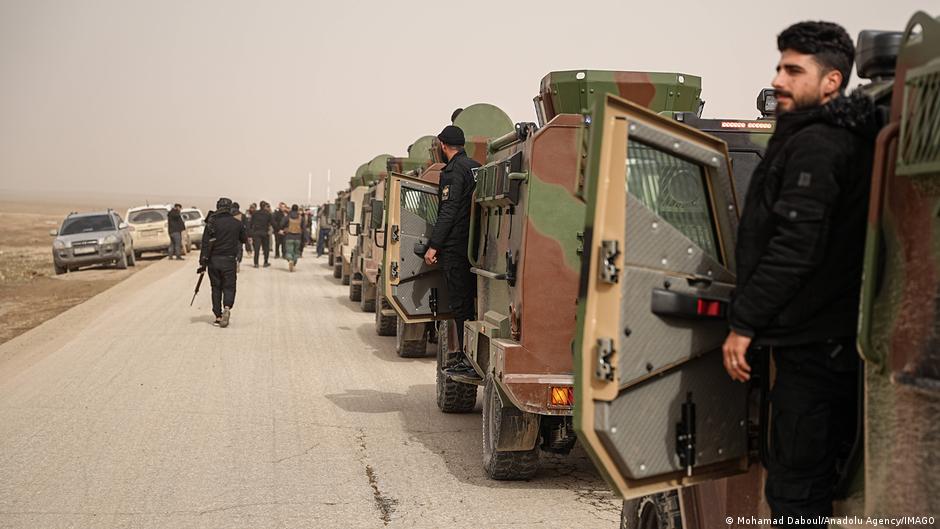
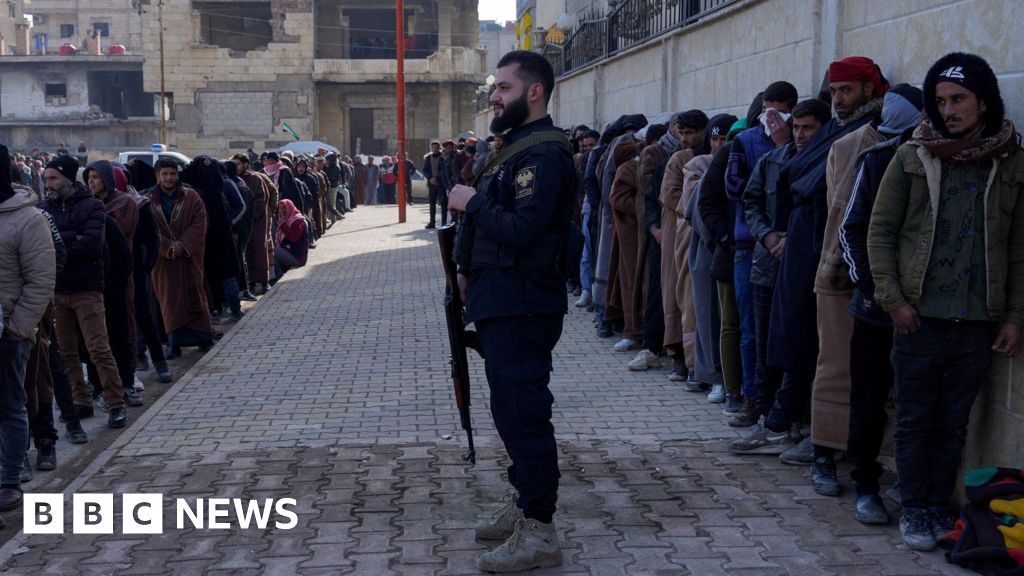
The Syrian government and Kurdish-led forces have reached an agreement to extend a ceasefire into a permanent truce, which aims to integrate Kurdish forces into the Syrian state and resolve escalating tensions over Kurdish autonomy in north-east Syria. This agreement was established on a Friday and follows nearly a month of fighting between the two sides. The Kurdish-led Syrian Democratic Forces (SDF) are expected to join Syria’s new army through negotiations, rather than through conflict (Primary Source). The agreement signifies a significant shift in the historically contentious relationship between the Syrian government and Kurdish factions. It involves the gradual incorporation of Kurdish forces and their administrative structures into the broader Syrian state. This development reflects ongoing efforts to stabilize the region and address complex dynamics among various ethnic and political groups within Syria (BBC). The cooperation between Syrian and Kurdish forces is reportedly supported by the United States, indicating international interest in the stability of the region (Al Jazeera, Reuters). As part of the ceasefire agreement, Syrian government forces have deployed in the Kurdish-majority city of Hasakah. This deployment marks a notable change in control dynamics in the region, which had been under the authority of the SDF. Recent weeks have seen Syrian government forces making territorial gains against the SDF, further solidifying the authority of President Ahmed al-Sharaa (Reuters, The Hindu). The ceasefire aims to stabilize northeastern Syria amid ongoing tensions between various factions, and its implications for future negotiations and the geopolitical landscape in Syria will be closely monitored (Al Jazeera, BBC). The situation remains fluid, with the balance of power and prospects for lasting peace being key concerns as developments unfold. The integration of Kurdish forces into the state framework may serve as a precedent for other regions experiencing ethnic tensions, highlighting the potential for negotiated settlements in complex conflicts (BBC, Reuters).
Advertisement
Cluster Activity
Lindy Score Breakdown (V4.2)
Story Timeline
- 2026-01-24
- 2026-01-30Syrian government and Kurdish forces reach deal on permanent truce (current)
- 2026-02-02
- 2026-02-03
AnalysisRisk 10
Same Story from 11 sources




Breaking Similar stories


Anti-Lindy Similar stories