Nuclear reactor owned by Fukushima plant operator TEPCO to shut down again hours after restart - AP News
Google News • 1/21/2026 – 1/23/2026
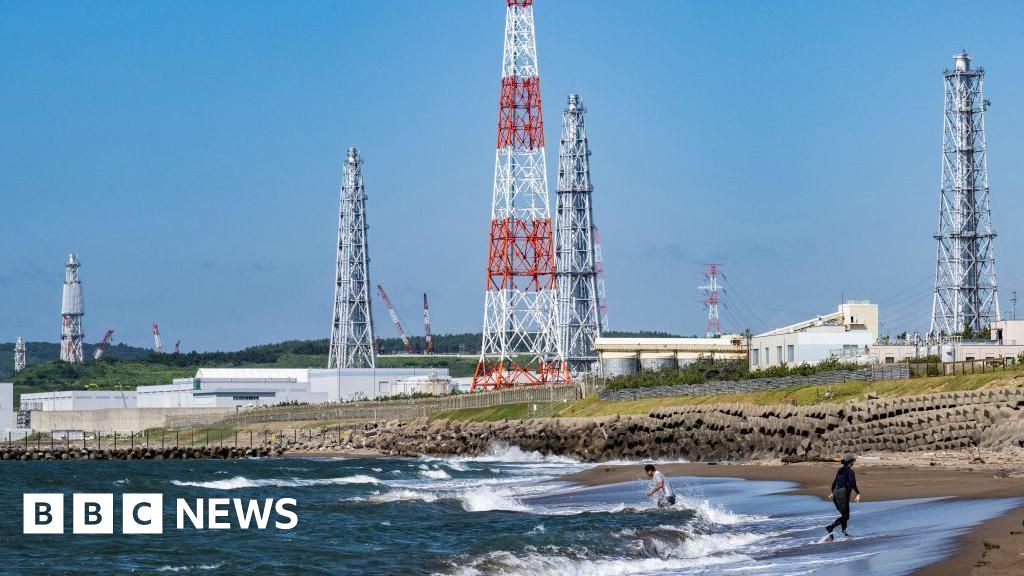
Summary
Japan's largest nuclear power plant, the Kashiwazaki-Kariwa reactor No. 6, operated by Tokyo Electric Power Company (TEPCO), was shut down just hours after its restart. This incident occurred on the same day that the reactor was brought back online after a 15-year hiatus. The shutdown was prompted by an alarm malfunction, although TEPCO stated that the reactor remained "stable" and posed no "radioactive impact outside" (AP News, BBC, Al Jazeera, ABC News). The restart of the Kashiwazaki-Kariwa reactor was significant, marking a notable moment in Japan's energy policy as the country continues to navigate the aftermath of the Fukushima disaster. The reactor's return to operation was met with public anxiety and scrutiny, reflecting lingering concerns over nuclear safety in Japan (The New York Times, Financial Times). The reactor is recognized as the world's largest nuclear plant, and its operational status is critical for Japan's energy supply. Despite the brief operational period following its restart, the incident highlights ongoing challenges in Japan's nuclear sector, where safety protocols and public confidence remain under close examination. The rapid shutdown of the reactor raises questions about the reliability of nuclear energy in the country, especially as Japan seeks to increase its reliance on nuclear power to meet energy demands (BBC, Reuters, The Japan Times).
Advertisement
Cluster Activity
Lindy Score Breakdown (V4.2)
Story Timeline
- 2026-01-21
- 2026-01-22Nuclear reactor owned by Fukushima plant operator TEPCO to shut down again hours after restart - AP News (current)
- 2026-01-23
Score BreakdownRisk 25
Stories gain Lindy status through source reputation, network consensus, and time survival.
Same Story from 8 sources


Breaking Similar stories


Anti-Lindy Similar stories