Japan suspends world's largest nuclear plant hours after restart
BBC • 1/21/2026 – 1/23/2026
Summary
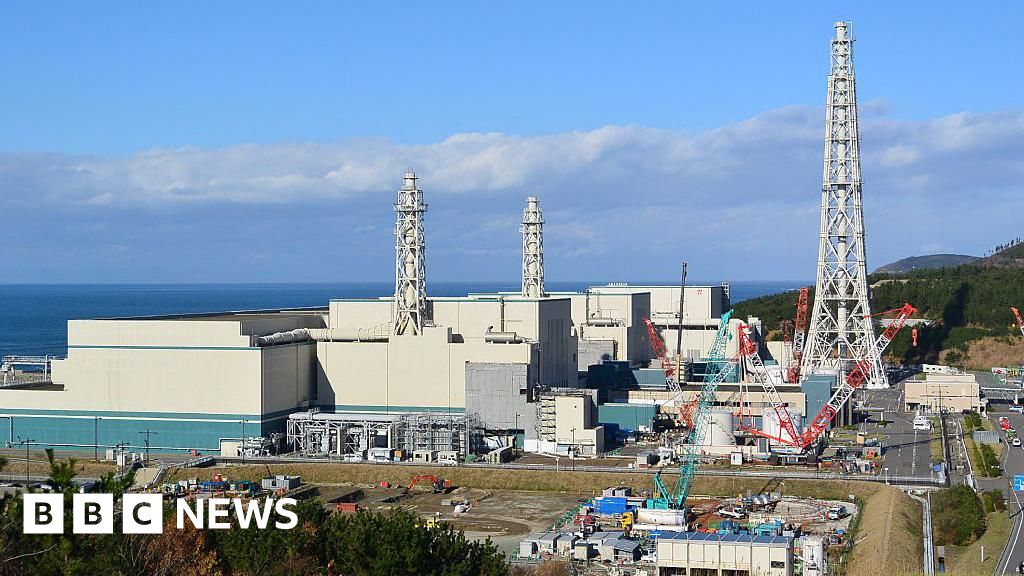
Japan has suspended operations at the Kashiwazaki-Kariwa nuclear power plant, recognized as the world's largest nuclear facility, just hours after it was restarted. The reactor, operated by Tokyo Electric Power Company (TEPCO), was brought back online nearly 15 years after being offline due to the Fukushima disaster. The restart was part of Japan's strategy to enhance energy security and reduce reliance on fossil fuels, and it received approval from the nuclear regulatory authority prior to its operational launch (BBC, The New York Times, Google News). The suspension occurred due to an alarm malfunction during the start-up process. TEPCO confirmed that the reactor remains stable and poses no radioactive impact outside the facility, but the shutdown was taken as a precautionary measure (AP News, BBC, Google News). This incident highlights ongoing challenges and scrutiny faced by Japan's nuclear industry, particularly in light of public anxiety and safety concerns that have persisted since the Fukushima incident (The Guardian, BBC). The Kashiwazaki-Kariwa plant had been offline since the 2011 Fukushima disaster, and its brief operational period following the restart underscores the complexities involved in reviving nuclear energy as a viable power source. The rapid shutdown raises significant questions about the reliability of nuclear energy in Japan, especially as the country seeks to increase its reliance on nuclear power to meet energy demands (The Japan Times, Financial Times). Public reactions to the restart have been mixed, with environmental groups and citizens expressing caution regarding nuclear energy in Japan. The alarm malfunction raises further questions about the safety protocols in place at nuclear facilities, emphasizing the delicate balance Japan must navigate between its energy needs and public safety concerns in the post-Fukushima era (BBC, Reuters, Google News).
Advertisement
Cluster Activity
Lindy Score Breakdown (V4.2)
Story Timeline
- 2026-01-21
- 2026-01-22Japan suspends world's largest nuclear plant hours after restart (current)
- 2026-01-23
AnalysisRisk 10
Same Story from 8 sources


Breaking Similar stories



Anti-Lindy Similar stories