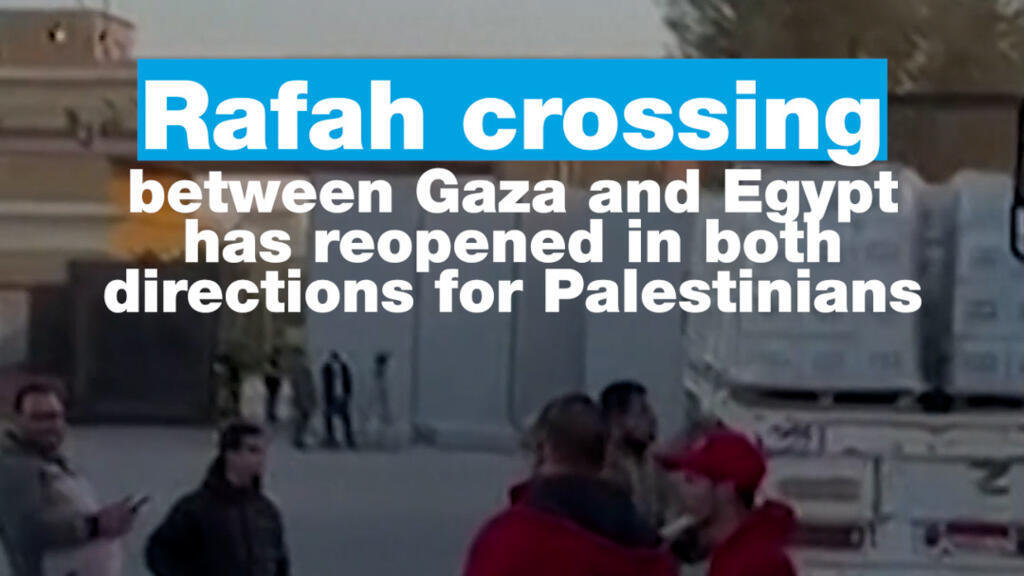
LIVE: Israel opens Rafah crossing in Gaza as dozens killed in attacks
Al Jazeera • 1/26/2026 – 2/1/2026

Summary
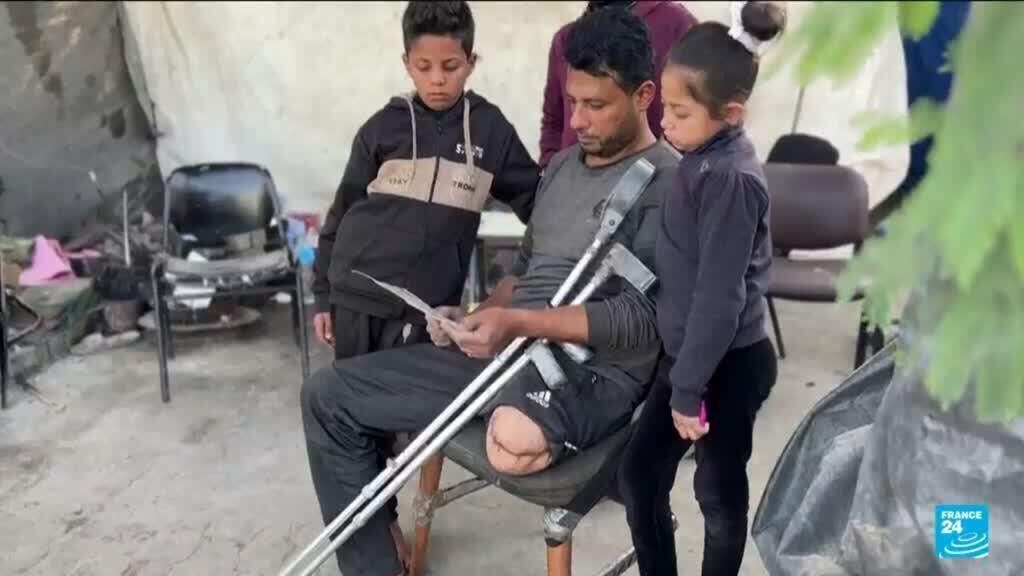
The Rafah border crossing between Gaza and Egypt has reopened after nearly two years of closure, allowing for limited movement of people. This development is part of a US-brokered ceasefire agreement and was confirmed by the Israeli Ministry of Defence body, COGAT. The reopening is expected to facilitate pedestrian crossings in both directions, providing a rare opportunity for many Palestinians, including patients, students, and displaced families, who have been waiting for months to cross for medical treatment, education, and aid. On the first day of its reopening, only 12 Palestinians were reported to have entered Gaza through Rafah, while five patients and their escorts were allowed to leave for Egypt. Local health authorities indicated that approximately 20,000 people are currently waiting to leave Gaza for medical care. Despite the reopening, access remains highly restricted, and Israel continues to control the Palestinian side of the crossing. Humanitarian aid flows into Gaza remain extremely limited, with no indication from COGAT regarding a significant increase in aid supplies. The reopening of the Rafah crossing highlights the ongoing humanitarian crisis in Gaza, where access to medical care and essential services remains severely limited. Thousands of residents are reportedly seeking medical assistance, and the situation reflects a broader pattern of conflict and blockade that has persisted for years. The ability to cross into Egypt provides immediate relief for some individuals in need of medical treatment but underscores the geopolitical complexities of the region. As international attention remains focused on Gaza, the reopening of this crossing serves as a reminder of the urgent humanitarian needs that continue to exist. The operations of the crossing are expected to be limited, emphasizing the importance of sustained dialogue and efforts toward a lasting resolution in the area.
Advertisement
Cluster Activity
Lindy Score Breakdown (V4.2)
Story Timeline
- 2026-01-26
- 2026-01-30
- 2026-02-01LIVE: Israel opens Rafah crossing in Gaza as dozens killed in attacks (current)
- 2026-02-02
- 2026-02-03
- 2026-02-04
AnalysisRisk 10
Same Story from 11 sources






Breaking Similar stories



Anti-Lindy Similar stories