How important is the reopening of Gaza’s Rafah crossing?
Al Jazeera • 1/26/2026 – 2/2/2026

Summary
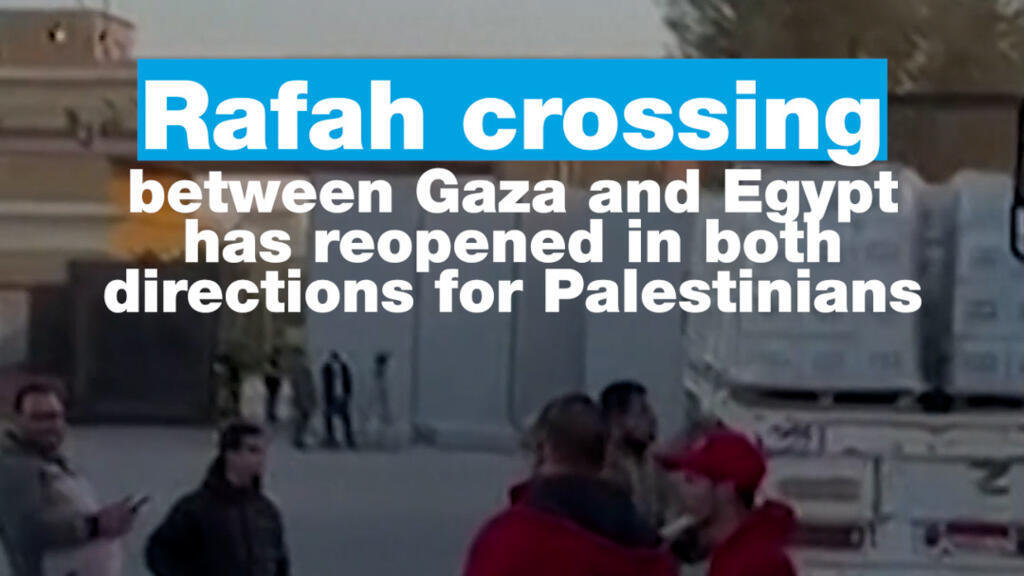
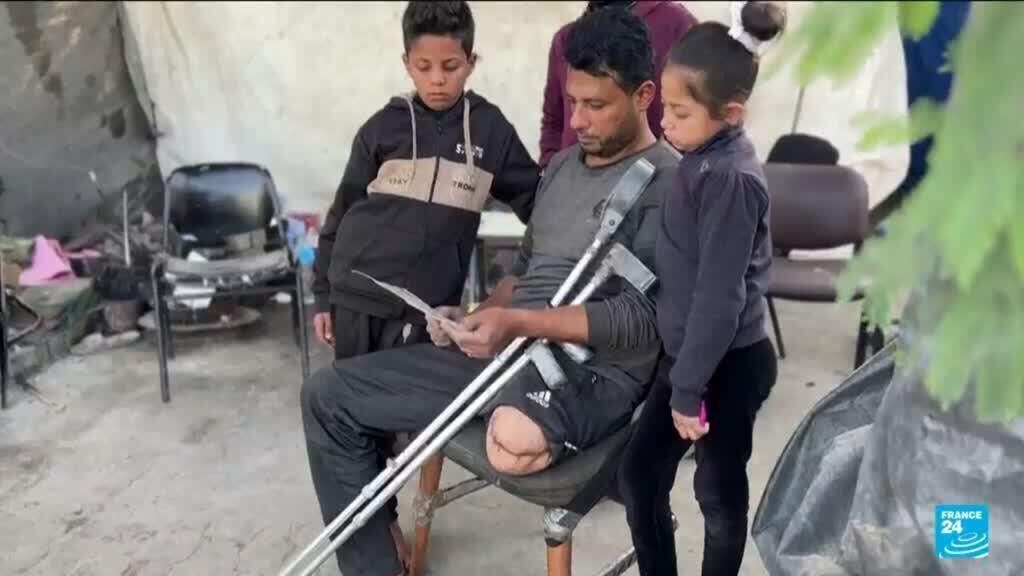
The Rafah border crossing between Gaza and Egypt has reopened for limited travel after nearly two years of closure, as part of a US-brokered ceasefire agreement. The Israeli Ministry of Defence body, COGAT, confirmed that the crossing would allow limited pedestrian movement in both directions, commencing operations on Monday. On the first day of reopening, only 12 Palestinians were reported to have entered Gaza, while five patients and their escorts were permitted to leave for Egypt. Initial limits set to allow only 50 people to cross in each direction have been established, with all travelers required to undergo security checks and receive prior approval from both Israeli and Egyptian authorities (Al Jazeera, France24, Euronews). Despite the reopening, access remains highly restricted, with Israel continuing to control the Palestinian side of the crossing. Local health authorities have indicated that approximately 20,000 people are currently waiting to leave Gaza for medical care, underscoring the ongoing humanitarian crisis in the region. Humanitarian aid flows into Gaza remain extremely limited, and there is no indication from COGAT regarding a significant increase in aid supplies (Middle East Eye, France24). The reopening of the Rafah crossing highlights the complex interplay between security concerns and humanitarian needs in the Israeli-Palestinian conflict. Israel's control over the crossing, which began in May 2024, was aimed at curbing Hamas's ability to smuggle weapons and limit access to essential services for Gaza's residents. The situation reflects a broader pattern of conflict and blockade that has persisted for years, severely limiting access to basic necessities for the population (Al Jazeera, The Guardian, Euronews). While the reopening provides a rare opportunity for some Palestinians, including patients, students, and displaced families, many still remain in urgent need of assistance. The limited nature of the reopening serves as a reminder of the fragile peace efforts in the region and the dire consequences of prolonged conflict. The operations at the crossing are expected to be conducted under strict rules, emphasizing the ongoing challenges faced by Palestinians in accessing essential services and the need for sustained diplomatic engagement to address humanitarian needs (France24, Deutsche Welle).
Advertisement
Cluster Activity
Lindy Score Breakdown (V4.2)
Story Timeline
- 2026-01-26
- 2026-01-30
- 2026-02-01
- 2026-02-02How important is the reopening of Gaza’s Rafah crossing? (current)
- 2026-02-03
- 2026-02-04
AnalysisRisk 10
Same Story from 11 sources







Breaking Similar stories





Anti-Lindy Similar stories