US launches more strikes on Iran as ceasefire teeters
Financial Times • 7/12/2026 – 7/13/2026

Summary
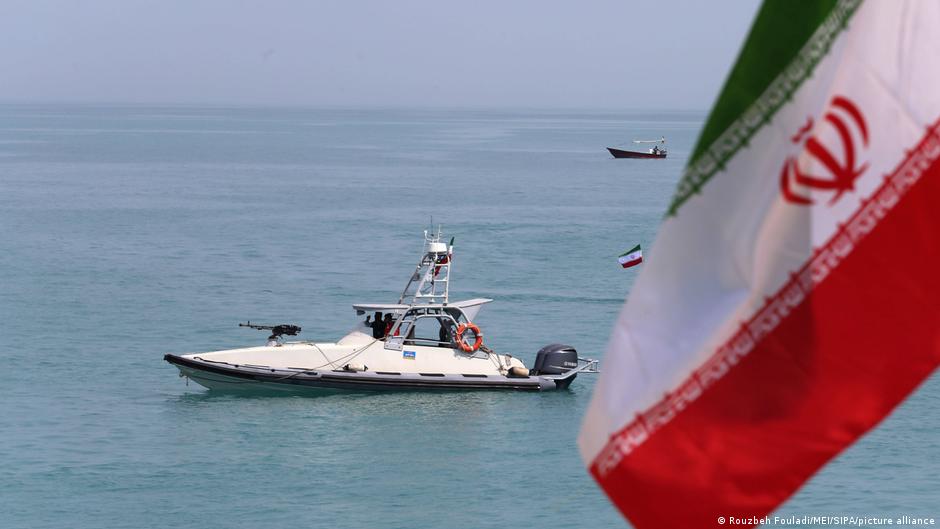
On Tuesday, Donald Trump announced that the United States will no longer impose a 20 percent levy on ships passing through the Strait of Hormuz. Instead, he stated that the U.S. will pursue trade and investment deals with Gulf states. This decision follows a previous announcement where Trump indicated the introduction of the fee, claiming it was a means for the U.S. to be reimbursed for its role as the "guardian of the Strait." Trump emphasized that the Strait of Hormuz is open to all ship traffic except for Iran. The context of this announcement comes amid escalating tensions between the U.S. and Iran. Reports indicate that Iran has attacked two tankers and fired at U.S. military sites, signaling a resurgence of hostilities between the two nations over the strategic waterway. The U.S. had planned to reinstate a blockade on Iranian ports, which was set to begin on the same day as Trump's announcement regarding the levy. This blockade was described as specifically targeting Iranian ships or customers. Trump's shift from the shipping toll to investment deals was communicated through a post on Truth Social, where he mentioned having "highly productive conversations" with Middle Eastern leadership. The U.S. military's enforcement of a maritime blockade on Iran was also scheduled to commence on the same day as Trump's announcement regarding the levy. The situation reflects a significant escalation in U.S.-Iran relations, with both nations taking steps that could further heighten tensions in the region.
Advertisement
Cluster Activity
Lindy Score Breakdown (V4.2)
Story Timeline
- 2026-07-12US launches more strikes on Iran as ceasefire teeters (current)
- 2026-07-13
- 2026-07-14
- 2026-07-20
- 2026-07-22
- 2026-07-28
AnalysisRisk 10
Same Story from 11 sources





Breaking Similar stories



Anti-Lindy Similar stories