Ukraine left freezing as Russia bombs energy grid before peace talks
South China Morning Post • 1/25/2026 – 2/3/2026

Summary
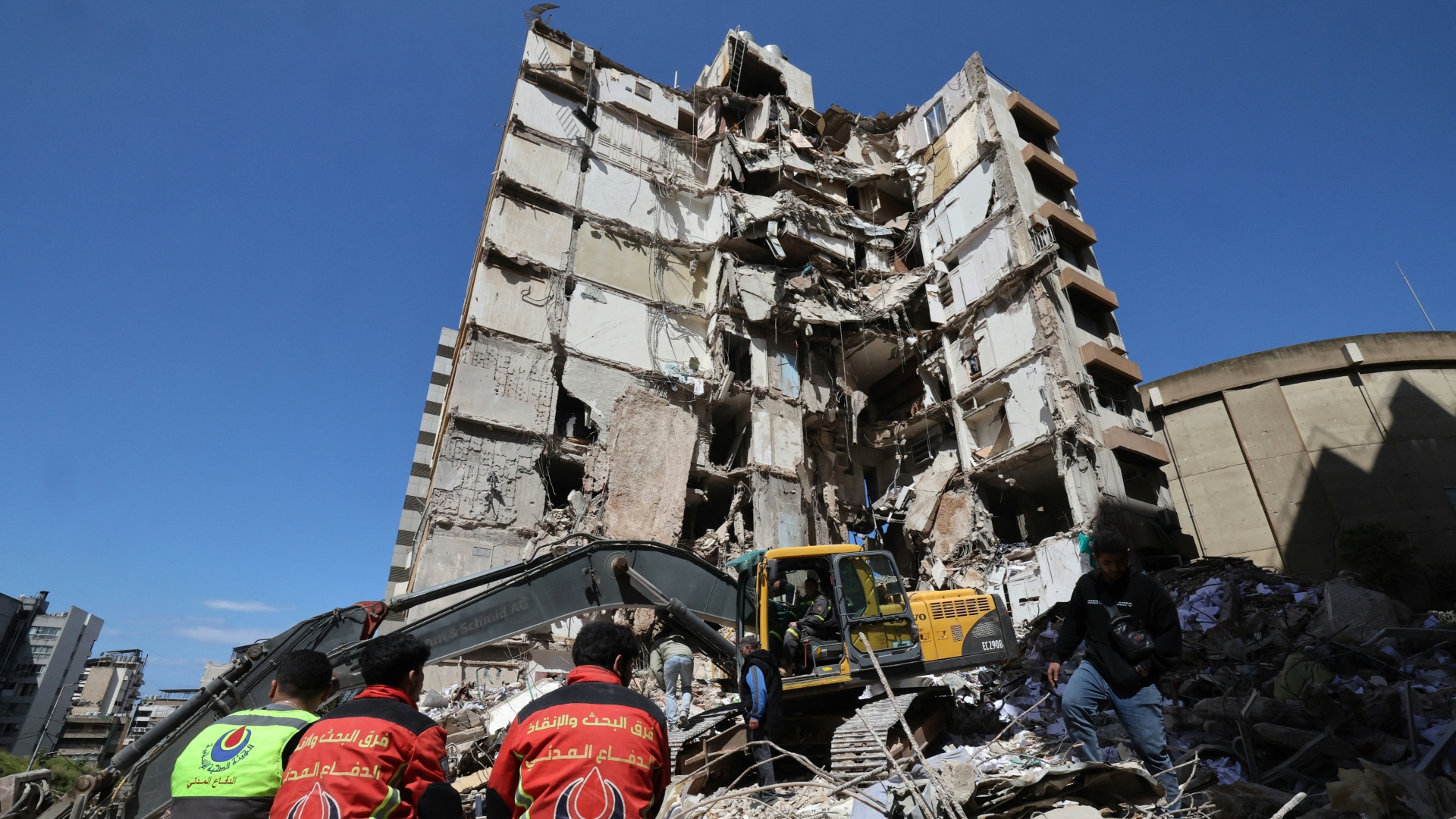
Russia launched its largest drone and missile attack of the year on Ukraine overnight, targeting cities including Kyiv and Kharkiv. This assault occurred during a severe cold snap, leaving hundreds of thousands of residents without heating, water, and power. The strikes resulted in significant damage to critical infrastructure, including the power grid, which has exacerbated the ongoing energy crisis in the capital. Additionally, the attacks caused damage to residential buildings, schools, and an iconic Soviet-era WWII monument. The situation has made daily life increasingly difficult for residents in Kyiv, who are facing power outages and challenges in cooking and heating their homes. The timing of the Russian strikes coincided with a critical moment for Ukraine, as Ukrainian and Russian negotiators were scheduled to meet for a second round of peace talks in Abu Dhabi. These talks aim to find a resolution to the nearly four-year war. Ukrainian President Zelenskyy is preparing for these negotiations, emphasizing the need for security guarantees from Western partners. NATO chief Mark Rutte visited Kyiv to express support for Ukraine, highlighting that Russia's actions demonstrate a lack of commitment to peace. The attacks have left much of Kyiv in a humanitarian crisis, with residents enduring the coldest temperatures experienced during the invasion. The situation remains critical as Ukraine continues to face relentless assaults while seeking diplomatic solutions to end the conflict. The ongoing strikes underscore the challenges faced by the Ukrainian population amid efforts to negotiate peace.
Advertisement
Cluster Activity
Lindy Score Breakdown (V4.2)
Story Timeline
- 2026-01-25
- 2026-02-03Ukraine left freezing as Russia bombs energy grid before peace talks (current)
- 2026-02-05
Score BreakdownRisk 25
Stories gain Lindy status through source reputation, network consensus, and time survival.
Same Story from 8 sources


Breaking Similar stories








Anti-Lindy Similar stories