Russia renews attacks on frozen Ukrainian cities
Al Jazeera • 1/25/2026 – 2/3/2026

Summary
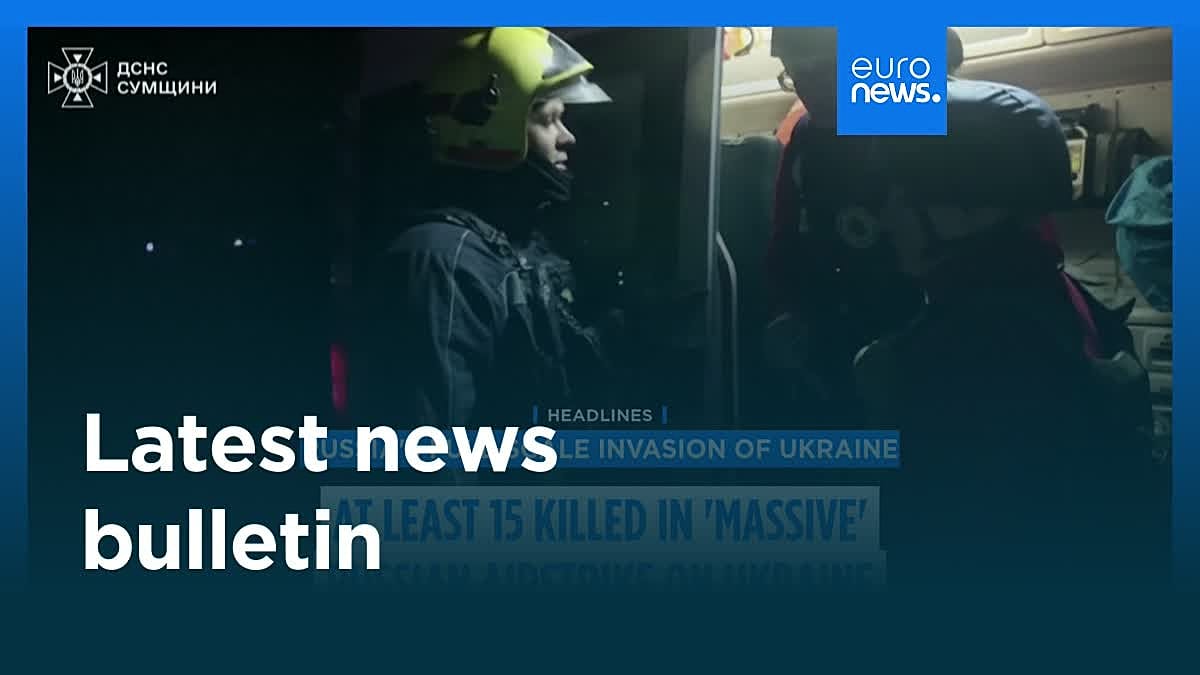
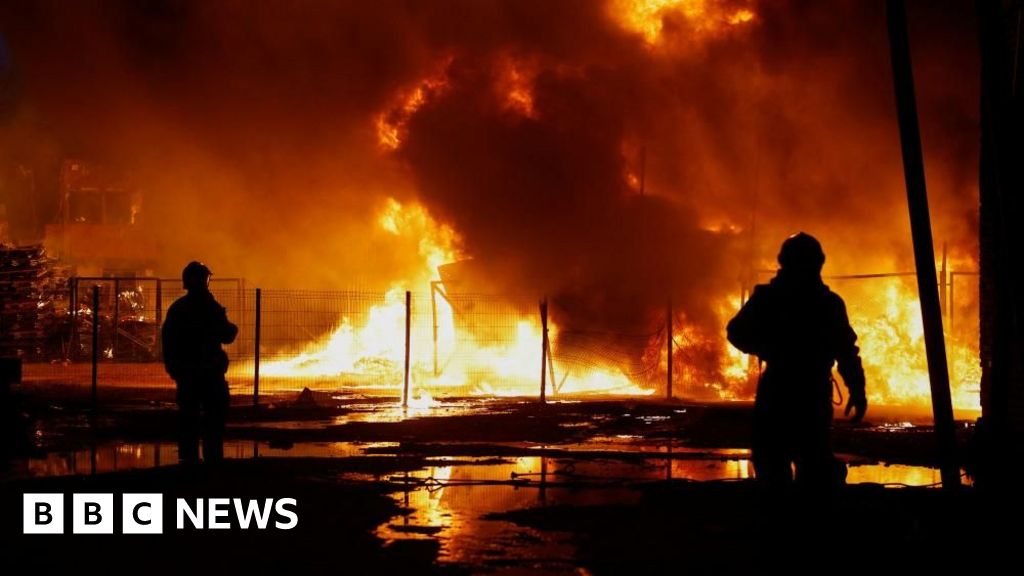
Russia has renewed its attacks on Ukraine, launching its largest drone and missile assault of the year on February 5, 2026. The strikes targeted Kyiv and Kharkiv, leaving hundreds of thousands of residents without heating amid freezing temperatures. This assault has resulted in significant damage to critical infrastructure, including the power grid, which has led to widespread power outages and difficulties for residents in cooking and heating their homes. The attacks also caused damage to residential buildings and schools, exacerbating the ongoing energy crisis in the capital. As the Russian strikes continued, NATO chief Mark Rutte visited Kyiv to express support for Ukraine, highlighting that Russia's actions demonstrate a lack of commitment to peace. The attacks occurred just one day before Ukrainian and Russian delegations were scheduled to meet in Abu Dhabi for a new round of peace talks aimed at resolving the nearly four-year war. Ukrainian President Zelenskyy is preparing for these negotiations, emphasizing the need for security guarantees from Western partners. The timing of the Russian strikes coincided with the coldest temperatures experienced during the invasion, further complicating the humanitarian situation in Ukraine. The attacks have left much of Kyiv without heat, water, and power, making daily life increasingly difficult for its residents. The situation remains critical as Ukraine continues to face relentless assaults while seeking diplomatic solutions to end the conflict.
Advertisement
Cluster Activity
Lindy Score Breakdown (V4.2)
Story Timeline
- 2026-01-25
- 2026-02-03Russia renews attacks on frozen Ukrainian cities (current)
- 2026-02-05
AnalysisRisk 10
Same Story from 8 sources


Breaking Similar stories






Anti-Lindy Similar stories