Elon Musk fuses SpaceX with xAI
Scientific American • 1/31/2026 – 2/3/2026

Summary
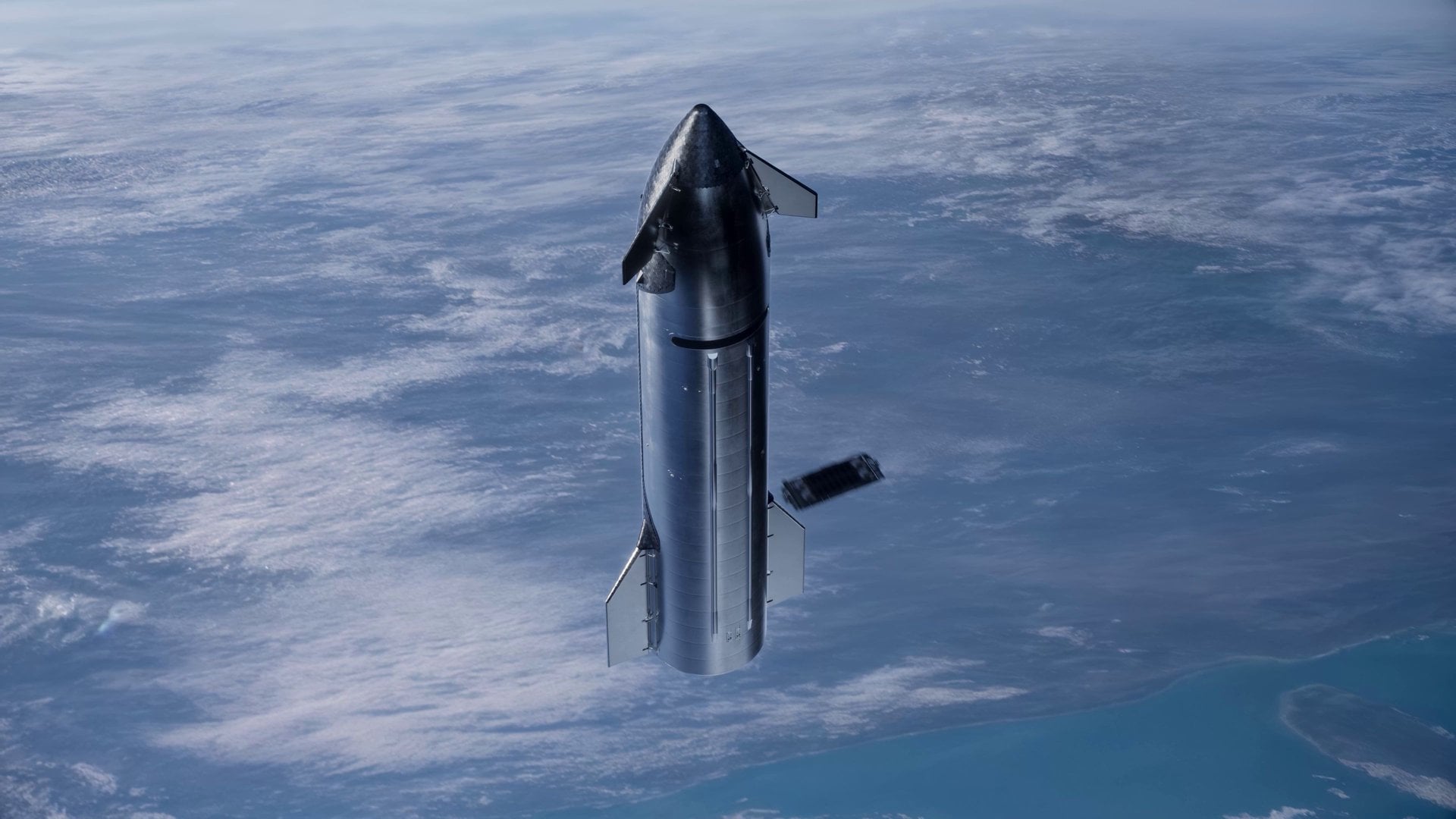
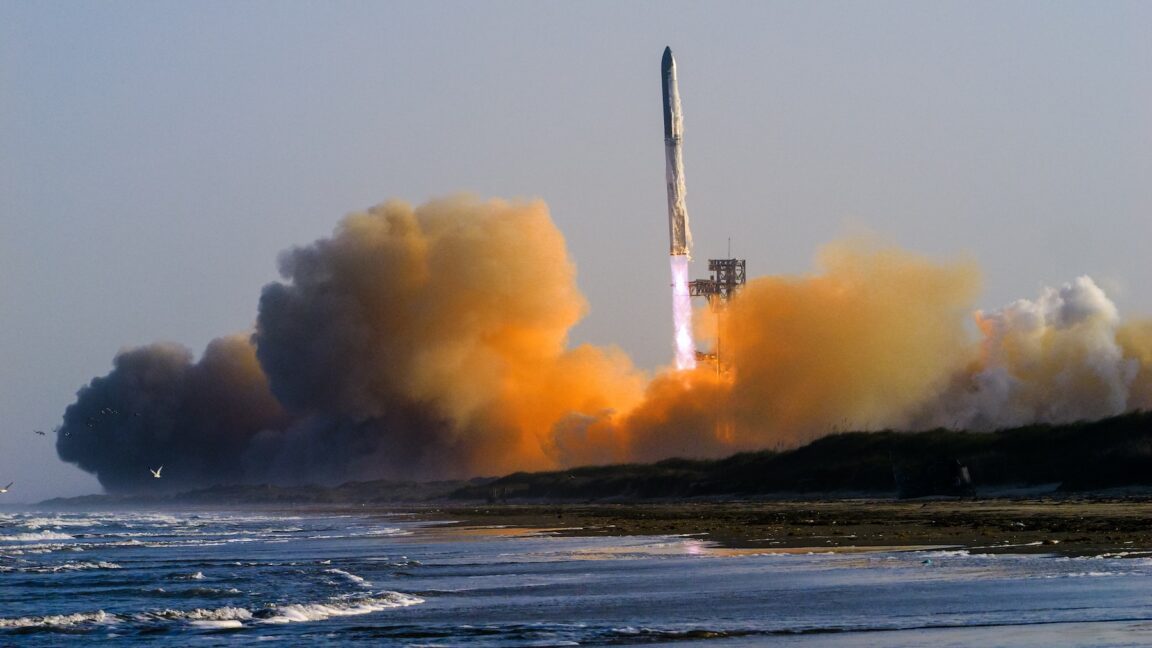
Elon Musk's SpaceX has acquired xAI, a company focused on artificial intelligence, in a significant move that merges two of Musk's ventures. This acquisition aims to create a vertically-integrated innovation engine that combines AI, rocket technology, space-based internet, and direct-to-mobile communications. The combined entity is reportedly valued at $1.25 trillion and is preparing for a planned initial public offering (IPO). Notably, the acquisition does not include Tesla, which had recently invested $2 billion in xAI. In conjunction with the acquisition, SpaceX has submitted a request to the Federal Communications Commission (FCC) for permission to launch a network of one million solar-powered satellites. These satellites are intended to function as "orbital data centers," enhancing the capabilities of artificial intelligence and supporting advanced applications that require substantial data processing. This initiative reflects SpaceX's broader vision of advancing humanity towards a Kardashev II civilization, which would fully utilize solar energy. The proposal to deploy this vast constellation of satellites signifies a growing trend in the tech industry towards leveraging space for data processing and connectivity. SpaceX's application highlights the strategic importance of satellite technology and the increasing competition among private enterprises and national governments to secure positions in space. The establishment of orbital data centers could play a crucial role in addressing the rising global demand for high-speed internet and data services. This development underscores the intersection of space exploration and digital innovation, marking a significant step in SpaceX's ongoing efforts to expand its satellite internet services and technological infrastructure. The implications of such large-scale satellite deployments could reshape industries and influence global communications, emphasizing the urgency of establishing a robust space presence.
Advertisement
Cluster Activity
Lindy Score Breakdown (V4.2)
Story Timeline
- 2026-01-31
- 2026-02-02
- 2026-02-03Elon Musk fuses SpaceX with xAI (current)
Score BreakdownRisk 25
Stories gain Lindy status through source reputation, network consensus, and time survival.
Same Story from 11 sources




Breaking Similar stories




Anti-Lindy Similar stories