Elon Musk's SpaceX has acquired his AI company, xAI
Engadget • 1/31/2026 – 2/3/2026

Summary
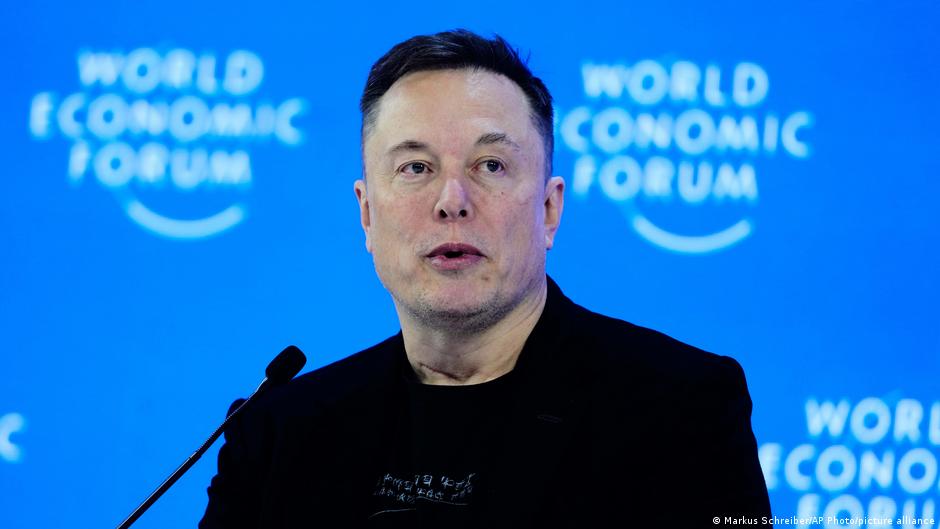
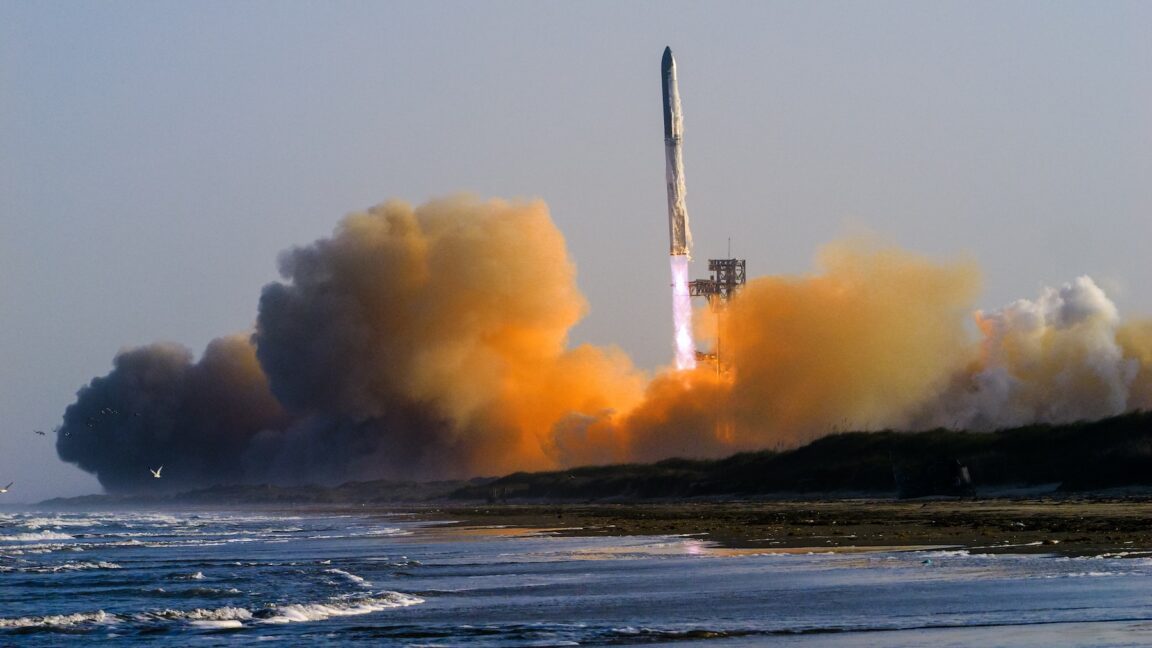
Elon Musk's SpaceX has acquired his AI company, xAI, in a move aimed at creating a vertically-integrated innovation engine that combines artificial intelligence, rocket technology, space-based internet, direct-to-mobile communications, and a platform for real-time information and free speech. This merger is part of Musk's vision to develop a "sentient sun" to enhance understanding of the universe and extend consciousness beyond Earth. The combined entity is reportedly valued at $1.25 trillion ahead of a planned IPO, although the acquisition does not include Tesla, which recently invested $2 billion in xAI (Electrek, The Verge). As part of this initiative, SpaceX has submitted an application to the Federal Communications Commission (FCC) to launch a constellation of one million solar-powered satellites. These satellites are intended to function as orbital data centers, which will enhance the capabilities of artificial intelligence and support Musk's broader vision of advancing humanity towards a Kardashev II civilization, capable of fully utilizing solar energy (TechCrunch, Scientific American). The proposal reflects a growing trend in the tech industry to leverage space for data processing and connectivity, addressing global challenges such as climate change and energy scarcity (BBC). The establishment of these orbital data centers is expected to reshape how energy from the sun is harnessed and utilized, similar to the transformative impact of the Industrial Revolution on society. This initiative underscores the increasing importance of satellite technology in supporting advanced applications like AI, which require substantial data processing capabilities (TechCrunch, The Verge). The merger and satellite project together signify a shift towards a more interconnected and data-driven future, with implications for communication and information access akin to those seen during the rise of the internet (BBC, The Verge).
Advertisement
Cluster Activity
Lindy Score Breakdown (V4.2)
Story Timeline
- 2026-01-31
- 2026-02-02Elon Musk's SpaceX has acquired his AI company, xAI (current)
- 2026-02-03
Score BreakdownRisk 25
Stories gain Lindy status through source reputation, network consensus, and time survival.
Same Story from 11 sources






Breaking Similar stories








Anti-Lindy Similar stories