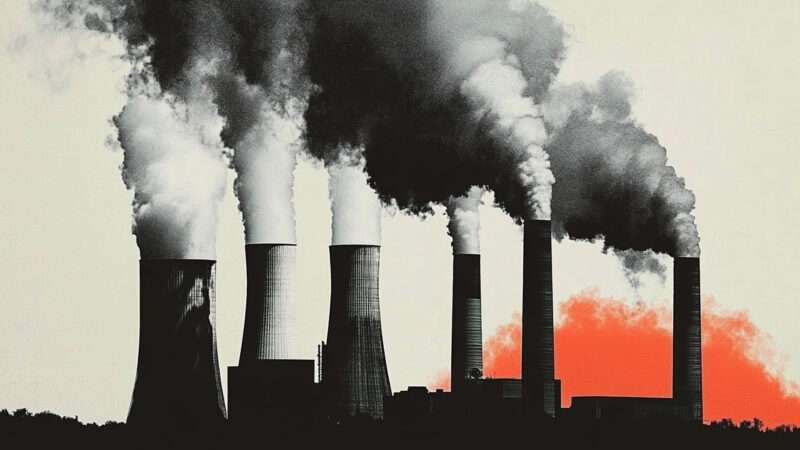
EPA sidesteps science in repeal of U.S. greenhouse gas rules
Science Magazine • 2/12/2026 – 2/13/2026

Summary
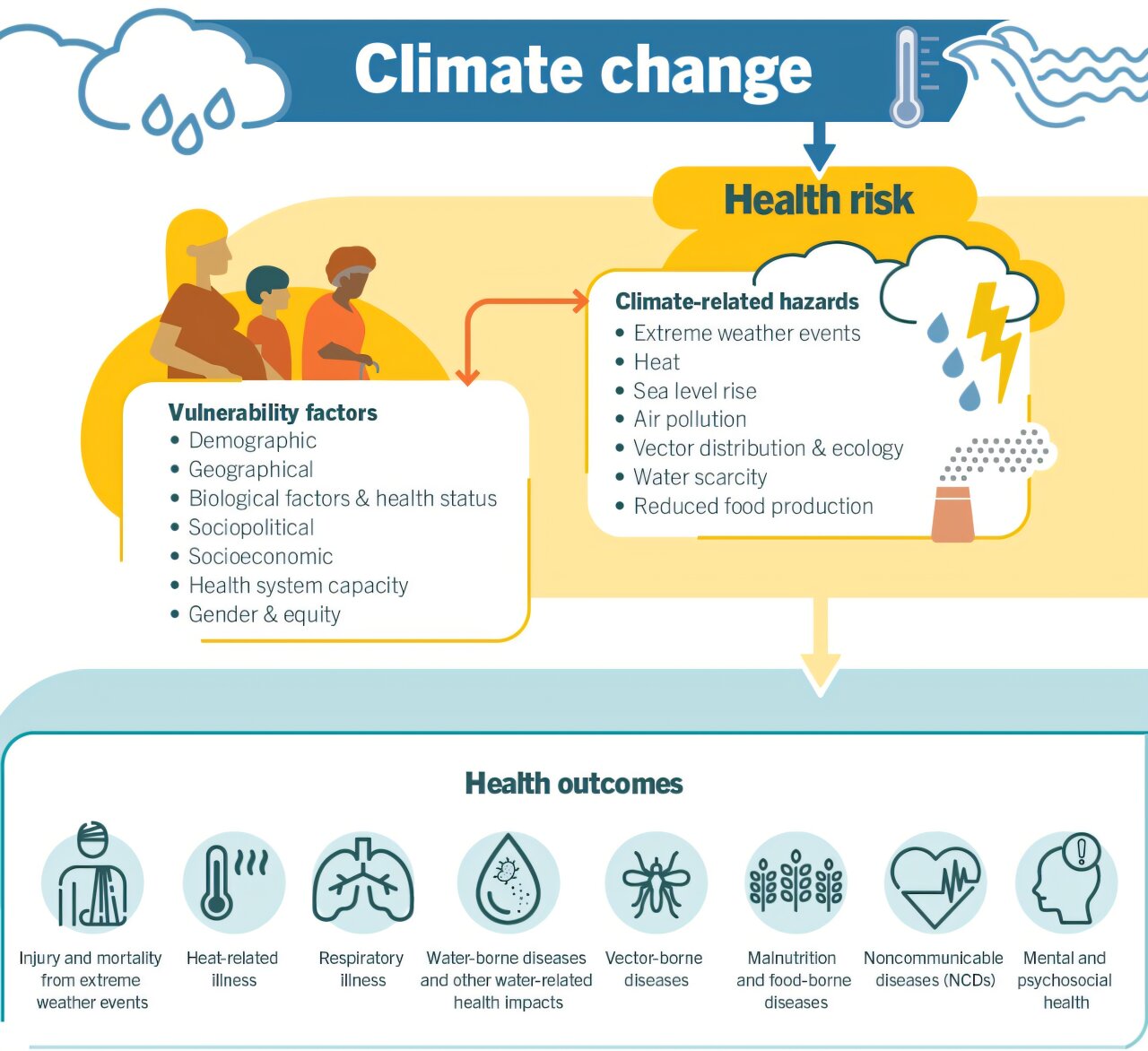
The U.S. Environmental Protection Agency (EPA) has moved to repeal the 2009 "endangerment finding," which determined that six greenhouse gases, including carbon dioxide and methane, pose a threat to public health and welfare. This finding has been a cornerstone of the U.S. government's efforts to combat climate change. The decision to rescind this finding is part of the Trump administration's broader initiative to roll back climate policies established during previous administrations. The repeal is expected to be challenged in the U.S. Supreme Court, as it raises significant legal and scientific questions regarding the regulation of greenhouse gas emissions. The EPA's action has drawn criticism for allegedly sidestepping scientific evidence that supports the dangers of climate change. Reports indicate that the Trump administration has made false claims regarding the implications of this repeal, suggesting that it does not endanger public health, despite contrary evidence from scientific studies. The agency's decision effectively strips its own authority to regulate emissions linked to climate change, which has raised concerns among environmental advocates and scientists. The repeal of the endangerment finding marks a significant shift in U.S. climate policy, as it undermines the legal basis for regulating greenhouse gases. The implications of this decision could have far-reaching effects on environmental regulations and public health, as it challenges the established scientific consensus on the risks associated with climate change. The move has been met with widespread criticism from various stakeholders, including environmental groups and public health advocates, who argue that it disregards the scientific evidence supporting the need for stringent climate action.
Advertisement
Cluster Activity
Story Timeline
- 2026-02-12
- 2026-02-13EPA sidesteps science in repeal of U.S. greenhouse gas rules (current)
Same Story from 7 sources

Breaking Similar stories







Survived Similar stories

Anti-Lindy Similar stories