Trump's EPA decides climate change doesn't endanger public health—the evidence says otherwise
Phys.org • 2/12/2026 – 2/13/2026
Summary
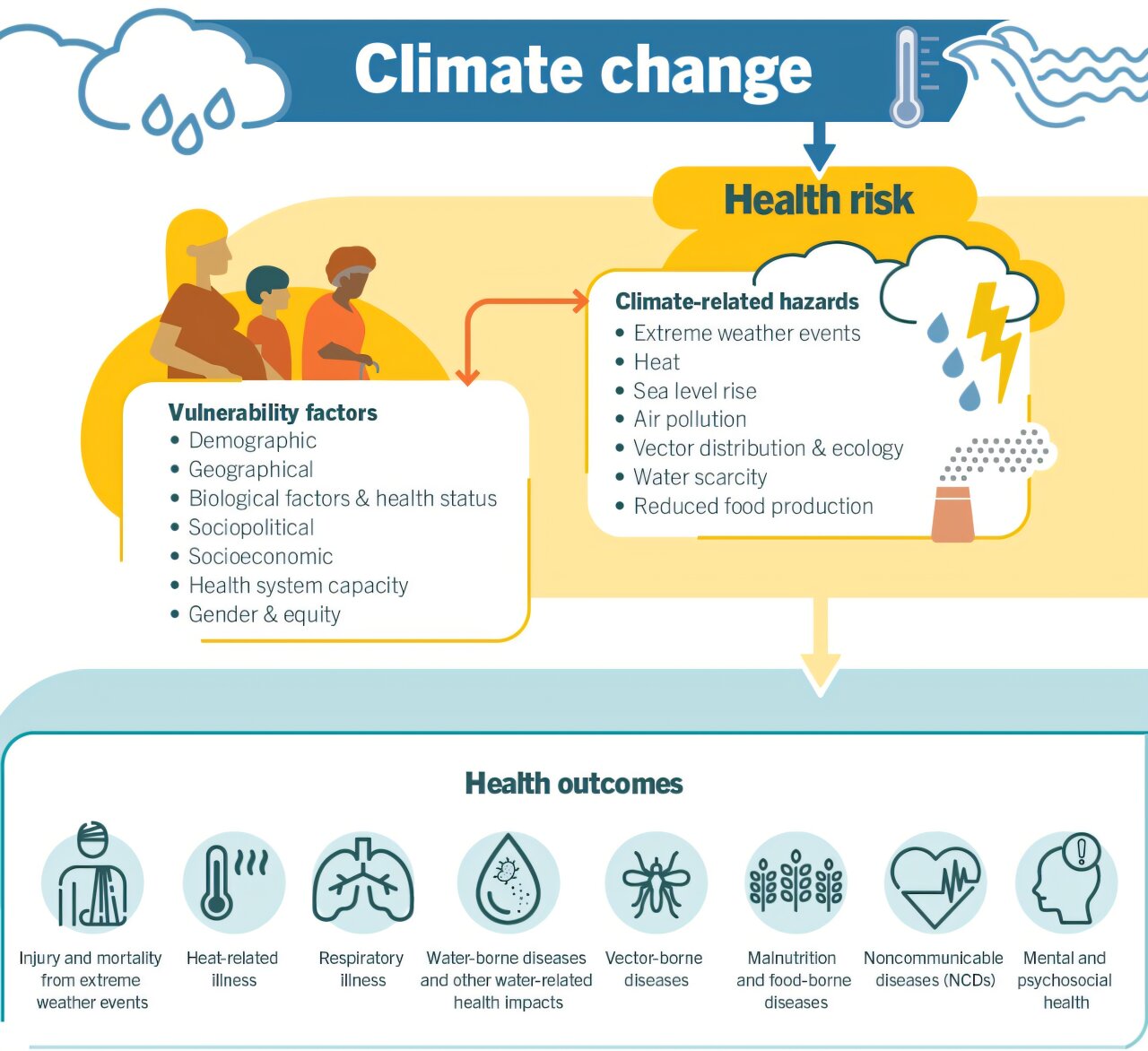
On February 12, 2026, the Trump administration's Environmental Protection Agency (EPA) announced its decision to rescind the 2009 endangerment finding. This finding had formally determined that six greenhouse gases, including carbon dioxide and methane produced from burning fossil fuels, endanger public health and welfare. The revocation of this finding represents a significant step in the administration's efforts to dismantle existing climate policies in the United States. The decision to revoke the endangerment finding has been met with criticism and concern from various sectors, including scientific communities and environmental advocates. Critics argue that the EPA's action undermines the scientific consensus on climate change and its impacts on public health. The revocation strips the EPA of its ability to regulate emissions effectively, which could have far-reaching implications for environmental policy and public health initiatives. In addition to the revocation, the Trump administration has faced scrutiny for making claims that contradict established scientific evidence regarding climate change. Reports indicate that the administration's rationale for the repeal has been challenged by experts who emphasize the dangers posed by climate change to human health. The implications of this decision could hinder the United States' efforts to combat climate change and protect public health. Overall, the Trump administration's move to rescind the endangerment finding marks a pivotal moment in the ongoing debate over climate policy in the U.S., raising questions about the future of environmental regulation and the government's commitment to addressing climate-related health risks.
Advertisement
Cluster Activity
Lindy Score Breakdown (V4.2)
Story Timeline
- 2026-02-12
- 2026-02-13Trump's EPA decides climate change doesn't endanger public health—the evidence says otherwise (current)
Score BreakdownRisk 25
Stories gain Lindy status through source reputation, network consensus, and time survival.
Same Story from 7 sources


Breaking Similar stories








Anti-Lindy Similar stories