Epstein Notes Suggested Bill Gates Engaged in Extramarital Sex
The New York Times • 1/31/2026
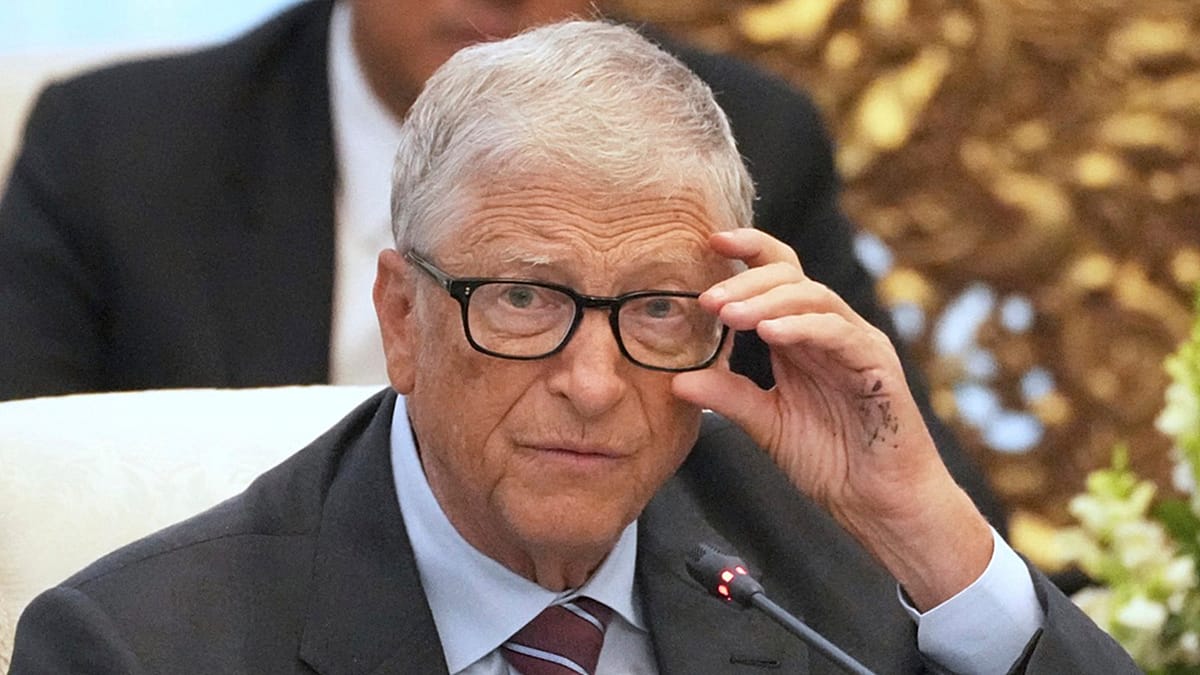
Summary
Recent documents released by the Department of Justice have raised allegations regarding Bill Gates' connections with Jeffrey Epstein. The documents include emails that Epstein may have been drafting on behalf of a person named Boris, who worked at the Bill & Melinda Gates Foundation. These emails suggest that Gates contracted an STD and wanted to "surreptitiously" provide antibiotics to Melinda Gates. Additionally, the emails claim that Gates had "trysts" with married women and "Russian girls." In response to these allegations, a spokesperson for Gates stated that the claims are "absolutely absurd and completely false" (The Verge). Bill Gates has publicly expressed regret for the time he spent with Epstein, stating that he now views those interactions as unproductive. In a recent interview, Gates explained that his initial interest in Epstein was due to Epstein's connections with wealthy individuals who could potentially support global health initiatives. However, Gates acknowledged that this pursuit did not lead to any meaningful outcomes (Euronews). The scrutiny surrounding Gates' relationship with Epstein highlights broader societal concerns regarding the ethical implications of associations between influential figures. Gates' apology reflects a theme of accountability among powerful individuals, particularly in light of their past connections with controversial figures. This incident underscores the challenges faced by philanthropists in navigating their networks while maintaining public trust (Euronews). As discussions about wealth, influence, and ethical conduct continue to evolve, Gates' reflections serve as a reminder of the potential pitfalls in the pursuit of philanthropic goals. The ongoing examination of such relationships emphasizes the moral responsibilities of those in positions of power (Euronews).
Advertisement
Cluster Activity
Lindy Score Breakdown (V4.2)
Story Timeline
- 2026-01-31Epstein Notes Suggested Bill Gates Engaged in Extramarital Sex (current)
- 2026-02-01
- 2026-02-05
AnalysisRisk 10
Same Story from 4 sources

Breaking Similar stories

Anti-Lindy Similar stories