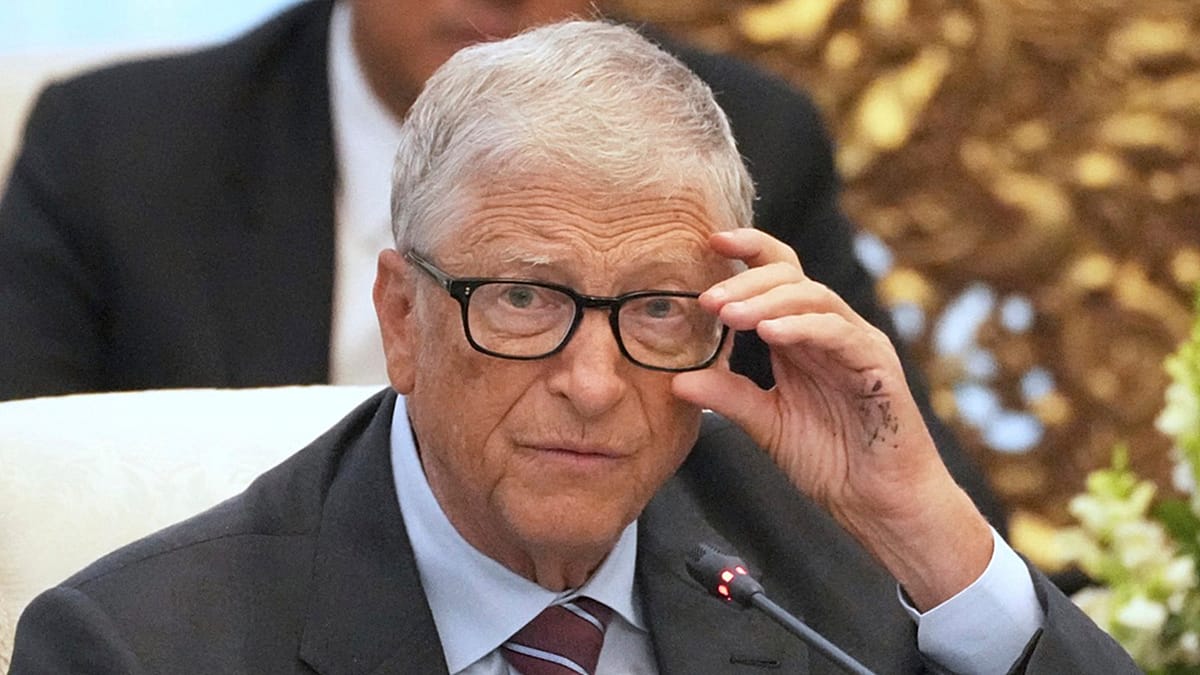
Bill Gates apologises for 'every minute' spent with Jeffrey Epstein, denying email claims
Euronews • 1/31/2026 – 2/5/2026
Summary
Bill Gates publicly expressed regret for the time he spent with Jeffrey Epstein, stating that he now views those interactions as unproductive. In a recent interview, Gates emphasized that his initial interest in Epstein stemmed from the latter's connections to wealthy individuals who could potentially support global health initiatives. He acknowledged that this pursuit ultimately led to no meaningful outcomes. This story resonates due to its exploration of complex relationships between influential figures and the ethical implications of their associations. Gates' apology highlights a broader theme of accountability among powerful individuals, particularly in the context of past associations with controversial figures. The ongoing scrutiny of such relationships reflects societal concerns about the moral responsibilities of those in positions of power. Furthermore, this incident underscores the challenges faced by philanthropists in navigating their networks while maintaining public trust. As discussions around wealth, influence, and ethical conduct continue to evolve, Gates' reflections serve as a reminder of the potential pitfalls in the pursuit of philanthropic goals.
Advertisement
Cluster Activity
Lindy Score Breakdown (V4.2)
Story Timeline
- 2026-01-31
- 2026-02-01
- 2026-02-05Bill Gates apologises for 'every minute' spent with Jeffrey Epstein, denying email claims (current)
Score BreakdownRisk 25
Stories gain Lindy status through source reputation, network consensus, and time survival.
Same Story from 4 sources

Breaking Similar stories







Anti-Lindy Similar stories