OpenAI launches new macOS app for agentic coding
TechCrunch • 2/2/2026

Summary
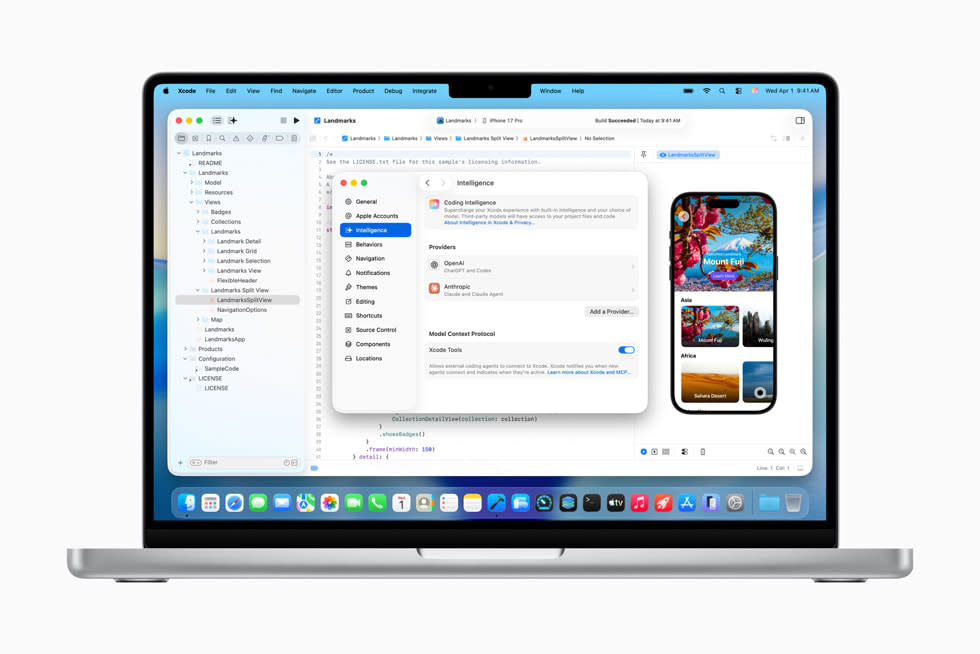
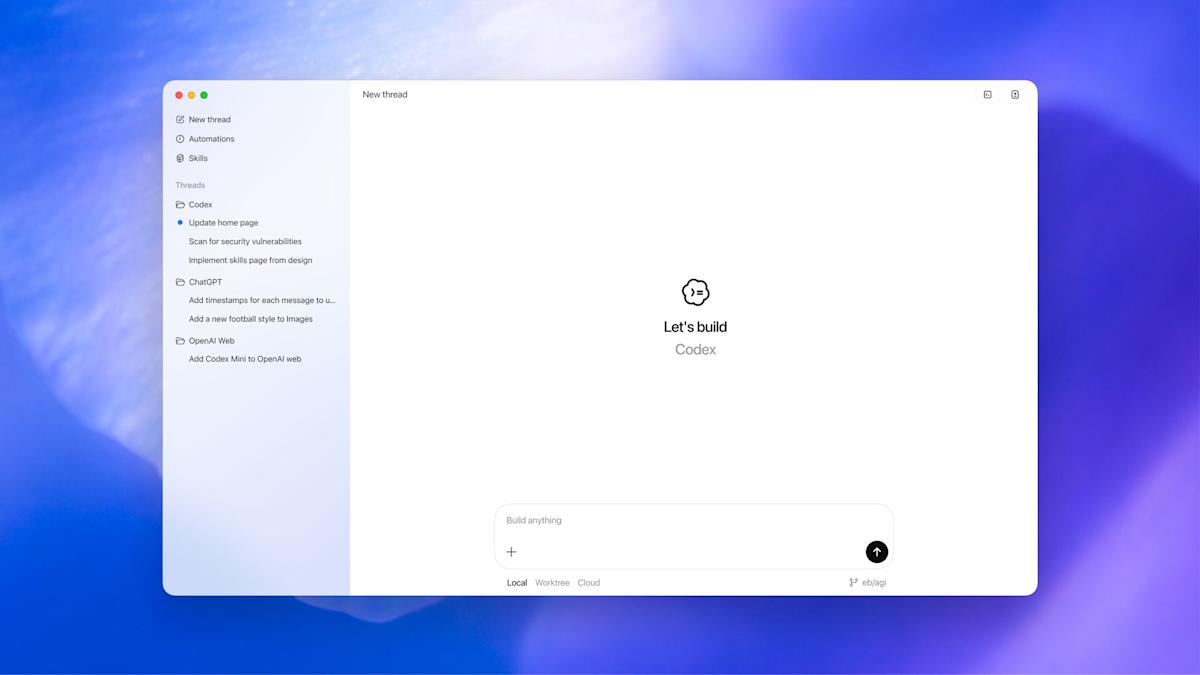
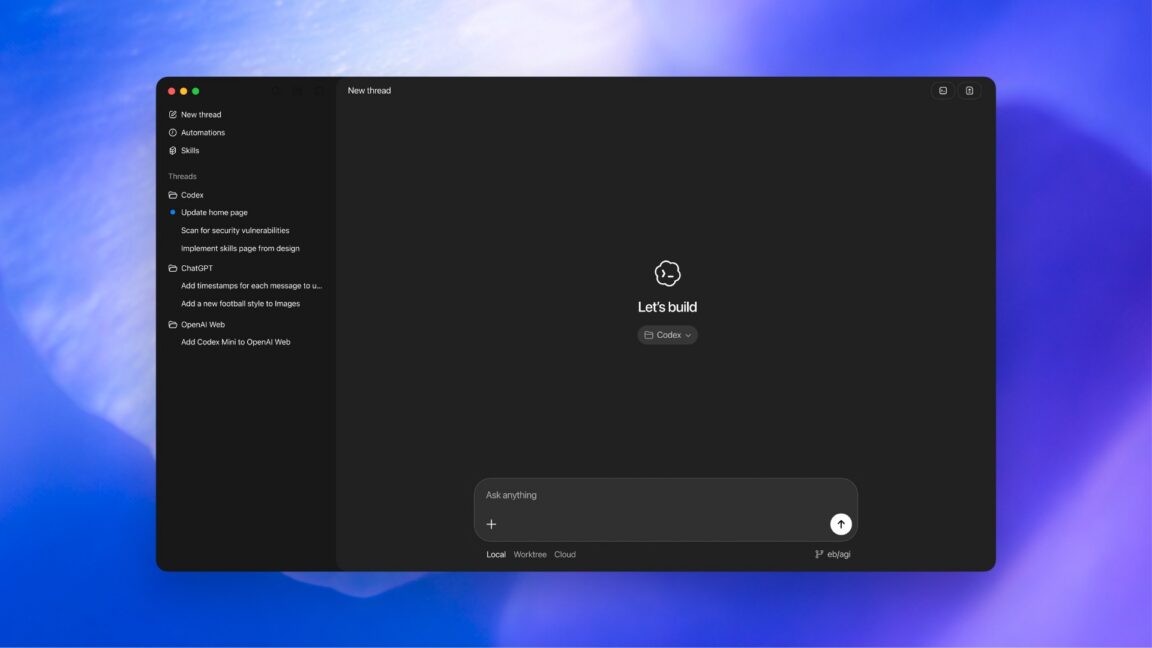
OpenAI has launched a new macOS app for Codex, which integrates various agentic coding practices that have gained popularity since Codex's initial release last year. This new app is designed to enhance the coding experience by providing developers with advanced tools for coding tasks. The app is capable of performing functions similar to those found in command-line interfaces, integrated development environments (IDEs), and web interfaces, thereby streamlining the coding process for users. In conjunction with OpenAI's developments, Apple has updated its Xcode development environment to include deeper integrations with OpenAI's Codex and Anthropic's Claude Agent. The latest version, Xcode 26.3, introduces agentic coding capabilities that allow developers to utilize these AI-powered coding agents to write and edit code, update project settings, and search documentation more effectively. This marks a significant enhancement in Xcode, which is the primary software used for creating and testing applications across Apple's platforms, including iPhone, Mac, iPad, Apple Watch, and Apple TV. The integration of AI agents into Xcode reflects a broader trend in software development that emphasizes creativity and collaboration. The concept of "vibe coding" has emerged, highlighting a cultural shift within the tech community that values artistic expression alongside technical skills. This evolution in coding practices suggests a growing demand for development environments that accommodate diverse coding styles and workflows, making programming more accessible to a wider audience. Overall, the advancements made by OpenAI and Apple in their respective coding tools signify a transformation in the software development landscape. By prioritizing both functionality and creativity, these updates aim to foster a more inclusive and innovative coding environment, aligning with historical trends that have democratized access to complex technological tools.
Advertisement
Cluster Activity
Lindy Score Breakdown (V4.2)
Story Timeline
- 2026-02-02OpenAI launches new macOS app for agentic coding (current)
- 2026-02-03
Score BreakdownRisk 25
Stories gain Lindy status through source reputation, network consensus, and time survival.
Same Story from 9 sources


Breaking Similar stories


.jpg)
Anti-Lindy Similar stories