Apple’s Xcode adds OpenAI and Anthropic’s coding agents
The Verge • 2/2/2026 – 2/3/2026

Summary
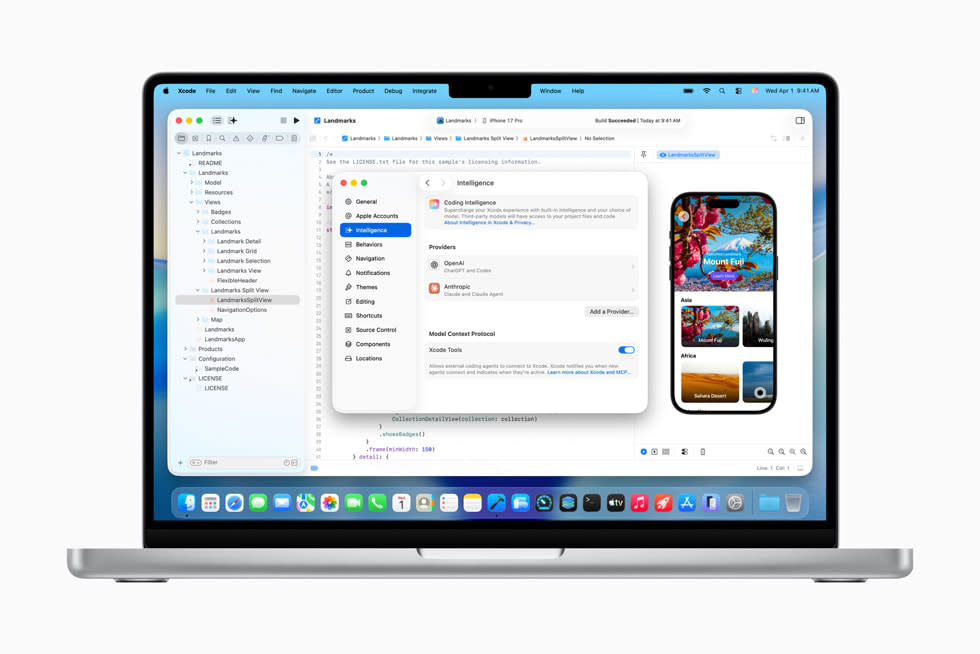
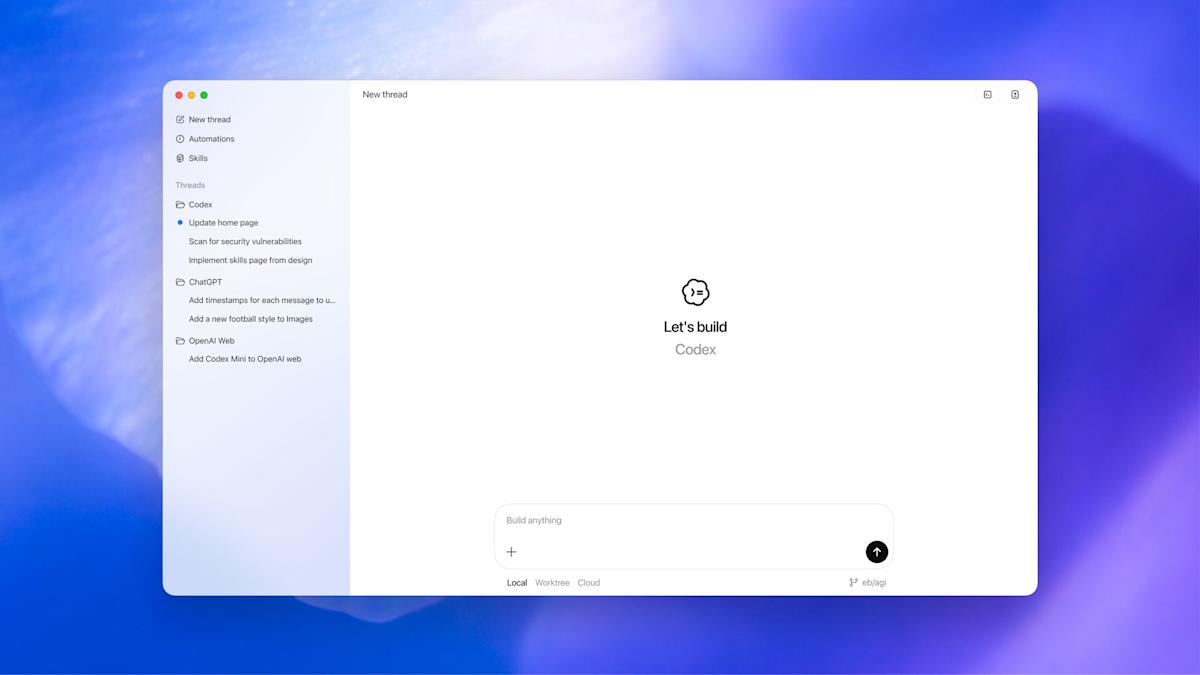
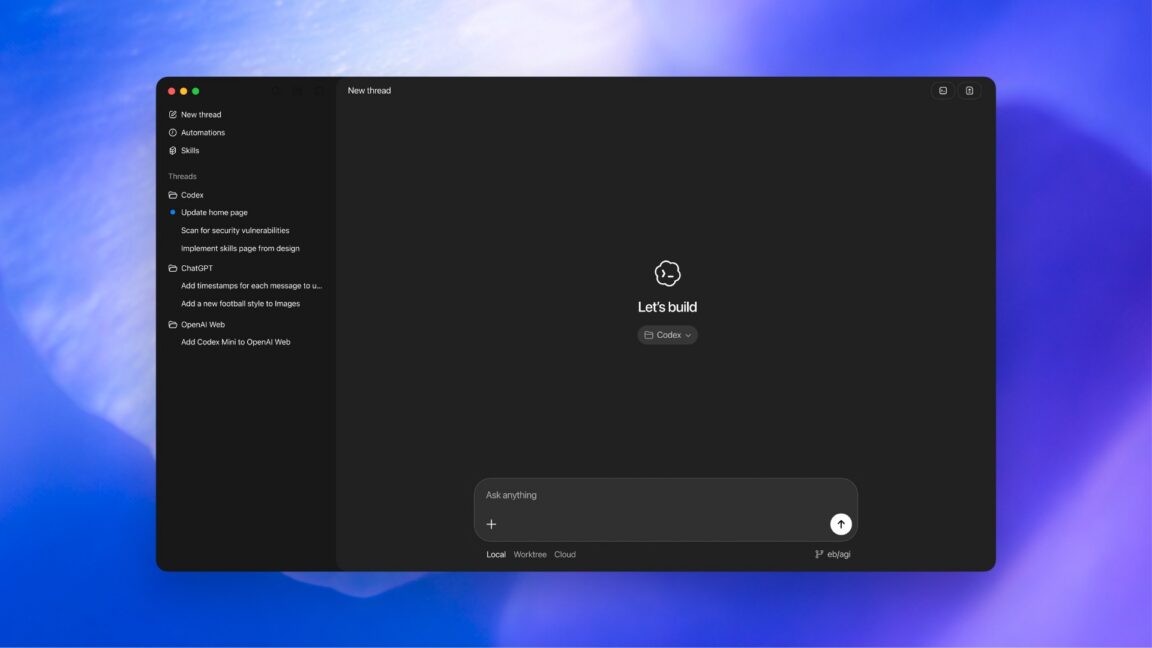
Apple has integrated OpenAI's Codex and Anthropic's Claude Agent into its Xcode development environment with the release of Xcode 26.3. This update allows developers to utilize these AI-powered coding agents not only for assistance but also to actively write and edit code, update project settings, and search documentation within the app. Previously, Claude and ChatGPT were available in Xcode, but the latest update enhances their functionality by enabling them to take action directly within the application (The Verge, Ars Technica). The integration of these AI agents into Xcode reflects a broader trend in software development towards fostering creativity and collaboration, often referred to as "vibe coding." This shift indicates a growing demand for development environments that support diverse coding styles and workflows, making programming more accessible. The emphasis on creativity alongside technical proficiency suggests a cultural movement within the tech community, indicating that future software development will prioritize artistic expression as well as functionality (Engadget, TechCrunch). OpenAI has also released a dedicated macOS app for its Codex coding agent, which enhances its capabilities by allowing it to manage multiple AI assistants to complete complex tasks. This new functionality enables Codex to delegate tasks to different models with complementary abilities, exemplified by a scenario where it coordinated various models to create a Mario Kart-like racing game (Engadget). Overall, the integration of AI agents into Xcode and the advancements in OpenAI's Codex signify significant developments in the coding landscape, enhancing the tools available to developers and promoting a more inclusive approach to software creation. These changes are part of a larger transformation in technology that aims to democratize access to complex coding tools, allowing a wider range of individuals to engage in programming (Engadget, Ars Technica).
Advertisement
Cluster Activity
Lindy Score Breakdown (V4.2)
Story Timeline
- 2026-02-02
- 2026-02-03Apple’s Xcode adds OpenAI and Anthropic’s coding agents (current)
Score BreakdownRisk 25
Stories gain Lindy status through source reputation, network consensus, and time survival.
Same Story from 9 sources



Breaking Similar stories







Anti-Lindy Similar stories