US officially exits World Health Organization, accusing agency of straying 'from its core mission' - ABC News
Google News • 1/23/2026
Summary
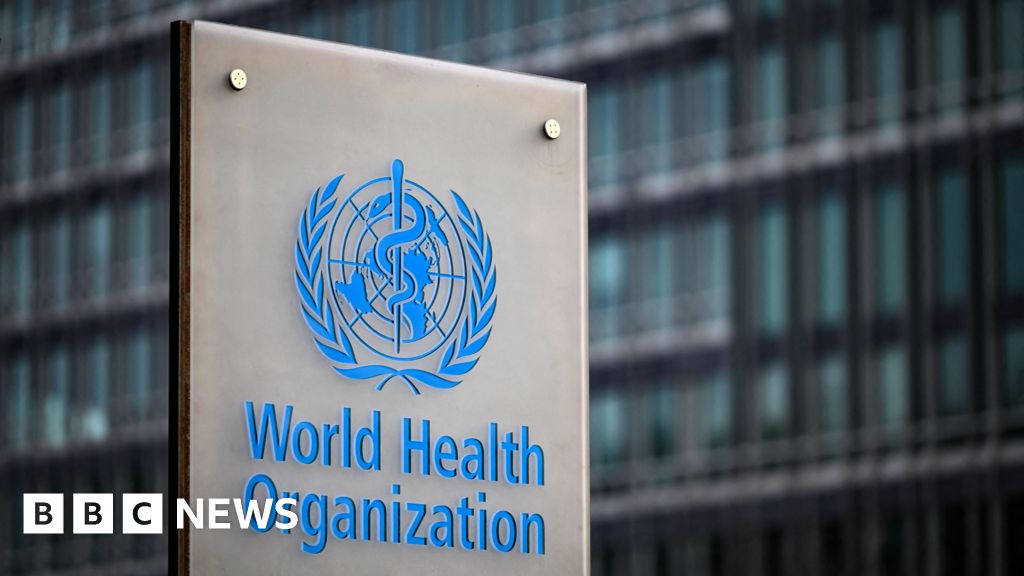
The United States has officially withdrawn from the World Health Organization (WHO), citing concerns that the agency has deviated from its fundamental mission. This decision, announced by U.S. officials, marks a significant shift in the country's approach to global health governance and was formalized in a joint statement from Secretary of State Rubio and Secretary of Health and Human Services Kennedy. The exit comes amid ongoing debates about the WHO's effectiveness and its handling of global health crises. This development reflects a broader trend of nations reassessing their commitments to international organizations, particularly in the context of public health. The U.S. withdrawal from the WHO underscores a growing skepticism towards multilateral institutions, which some perceive as ineffective or misaligned with national interests. Historically, similar patterns have emerged during periods of global health crises, where countries prioritize national sovereignty over collective action. The implications of this decision extend beyond immediate public health concerns, potentially reshaping international collaboration and response strategies in future health emergencies. As global health challenges continue to evolve, the absence of U.S. leadership within the WHO may hinder coordinated efforts to address pandemics and other health threats, raising questions about the future of global health governance.
Advertisement
Lindy Score Breakdown (V4.2)
Story Timeline
- 2026-01-23US officially exits World Health Organization, accusing agency of straying 'from its core mission' - ABC News (current)
Score BreakdownRisk 35
Stories gain Lindy status through source reputation, network consensus, and time survival.
Same Story from 2 sources
Breaking Similar stories

Anti-Lindy Similar stories