US officially leaves World Health Organization
BBC • 1/23/2026
Summary
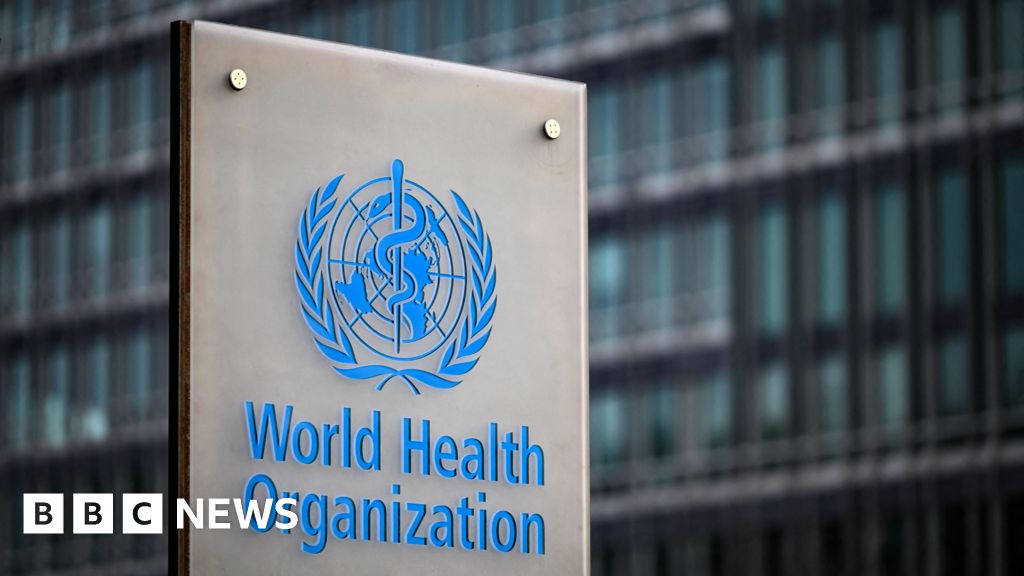
The United States has officially withdrawn from the World Health Organization (WHO), a decision initiated by former President Donald Trump in July 2020. The withdrawal was based on accusations that the organization failed to implement necessary reforms and inadequately managed the COVID-19 pandemic. This move marks a significant shift in the U.S. relationship with international health governance. This development resonates beyond immediate news due to its implications for global health collaboration and the role of international organizations. The U.S. departure from the WHO reflects a broader trend of skepticism towards multilateral institutions, particularly in times of crisis. Historically, similar withdrawals or reductions in engagement have occurred during periods of nationalistic policies, suggesting a recurring pattern in international relations. The decision also raises questions about the future of global health initiatives and the collective response to pandemics, emphasizing the importance of cooperation in addressing transnational challenges. As nations grapple with health crises, the effectiveness and credibility of organizations like the WHO will be scrutinized, highlighting the ongoing tension between national interests and global responsibilities.
Advertisement
Lindy Score Breakdown (V4.2)
Story Timeline
- 2026-01-23US officially leaves World Health Organization (current)
AnalysisRisk 20
Same Story from 2 sources
Breaking Similar stories

Anti-Lindy Similar stories