US to withdraw 5,000 troops from Germany, Pentagon says
Middle East Eye • 4/27/2026 – 5/2/2026

Summary
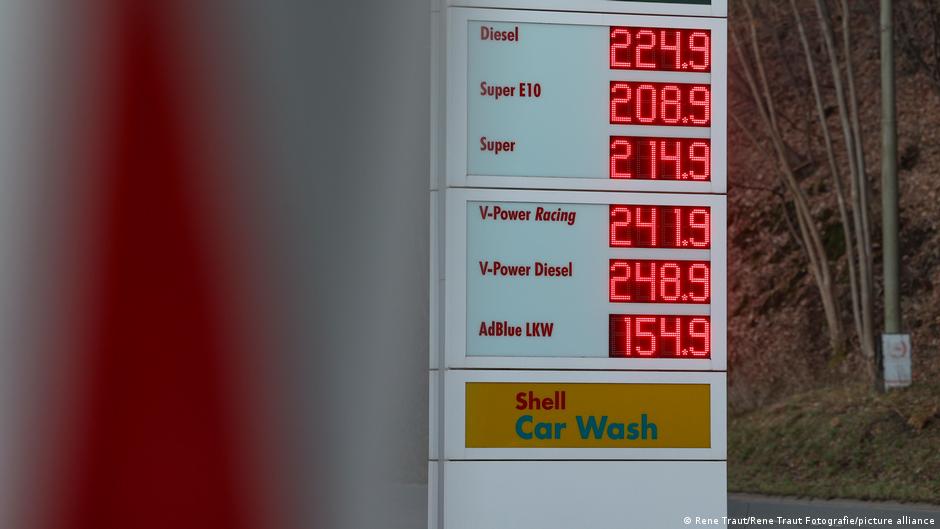
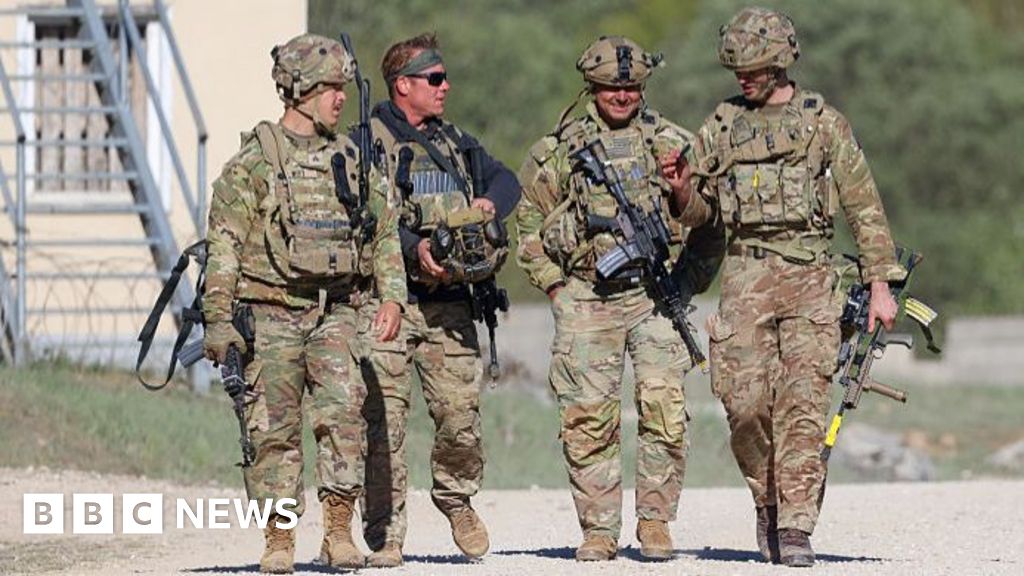
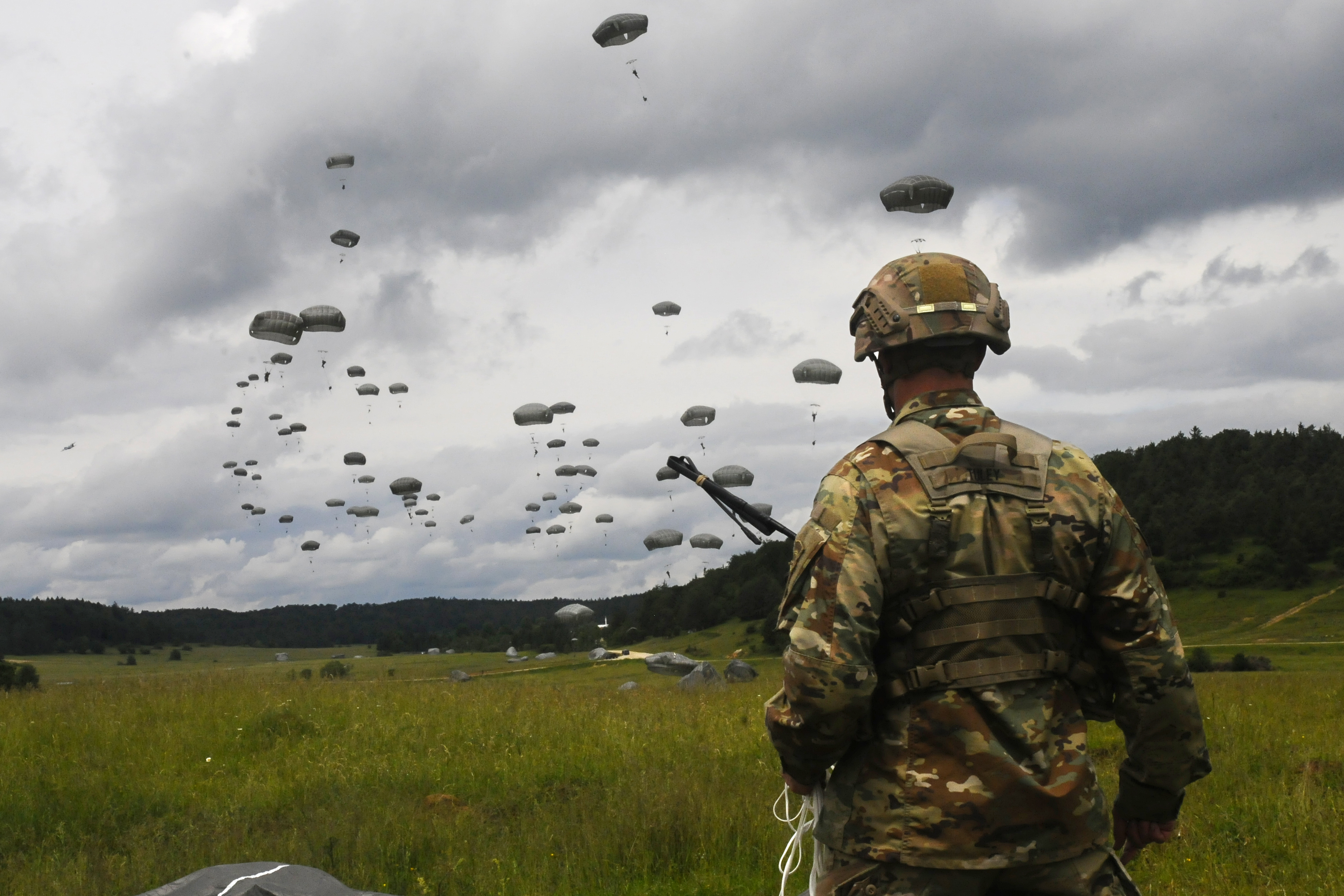
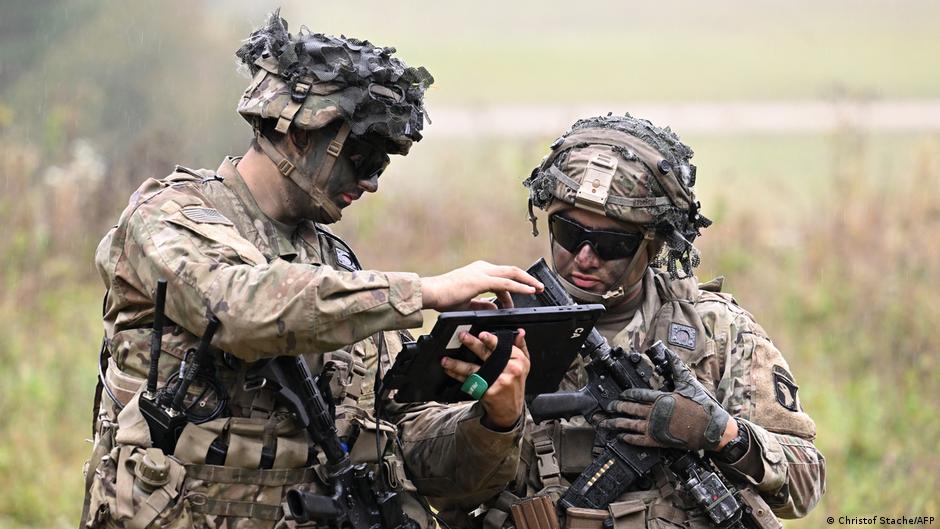
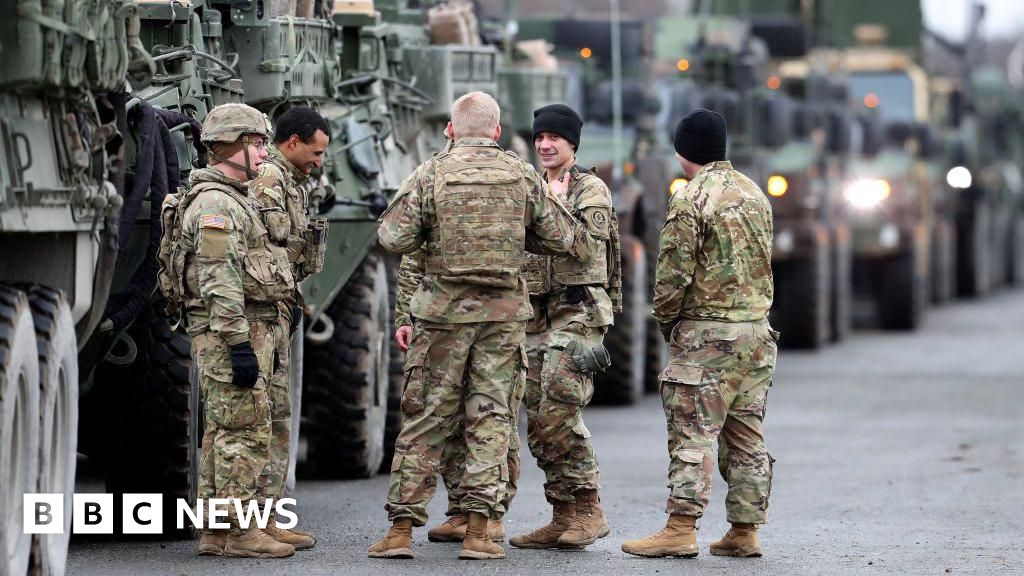
The Pentagon has announced that approximately 5,000 American troops will be withdrawn from Germany, as ordered by US Secretary of War Pete Hegseth. This decision is perceived as a reflection of rising tensions between the United States and its NATO ally, Germany, particularly in the context of disagreements over support for the US's military actions regarding Iran. The New York Times reported that the US heavily relies on its bases in Germany for operations across the Middle East, Europe, and Africa, highlighting the strategic significance of this troop presence. The withdrawal order follows a thorough review of the Department of Defense's force posture in Europe, as stated by Chief Pentagon Spokesman Sean Parnell. He noted that the decision recognizes the current theater requirements and conditions on the ground. This troop withdrawal is part of a broader context of escalating rifts between US President Donald Trump and European leaders, especially German Chancellor Friedrich Merz, who has been criticized by Trump for his involvement in discussions about the Iran conflict. Trump has expressed frustration with European allies, particularly regarding their perceived reluctance to increase support for US initiatives related to Iran. He has suggested that Merz should focus on resolving the Russia-Ukraine war rather than interfering with efforts to address Iran's nuclear threat. This situation underscores the complexities of international relations and military alliances, particularly in light of the ongoing tensions surrounding Iran and the conflict in Ukraine. As the US prepares for this significant troop withdrawal, it signals a notable shift in military strategy in Europe. The implications of this decision are expected to resonate throughout Europe and may impact future US-European relations, particularly as the geopolitical landscape continues to evolve amid ongoing disputes over military commitments and support in the context of the Iran war.
Advertisement
Cluster Activity
Lindy Score Breakdown (V4.2)
Story Timeline
- 2026-04-27
- 2026-04-29
- 2026-04-30
- 2026-05-01
- 2026-05-02US to withdraw 5,000 troops from Germany, Pentagon says (current)
Score BreakdownRisk 45
Stories gain Lindy status through source reputation, network consensus, and time survival.
Same Story from 11 sources




Breaking Similar stories




Anti-Lindy Similar stories