Iran Rules Out Talks With U.S. Until Trump’s Threats Stop
The New York Times • 1/30/2026 – 1/31/2026
Summary
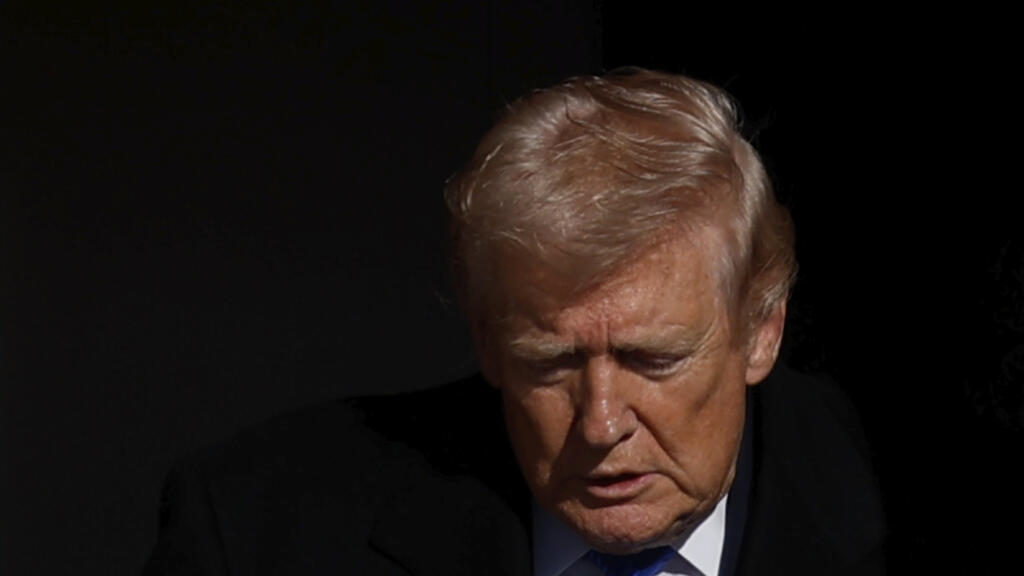
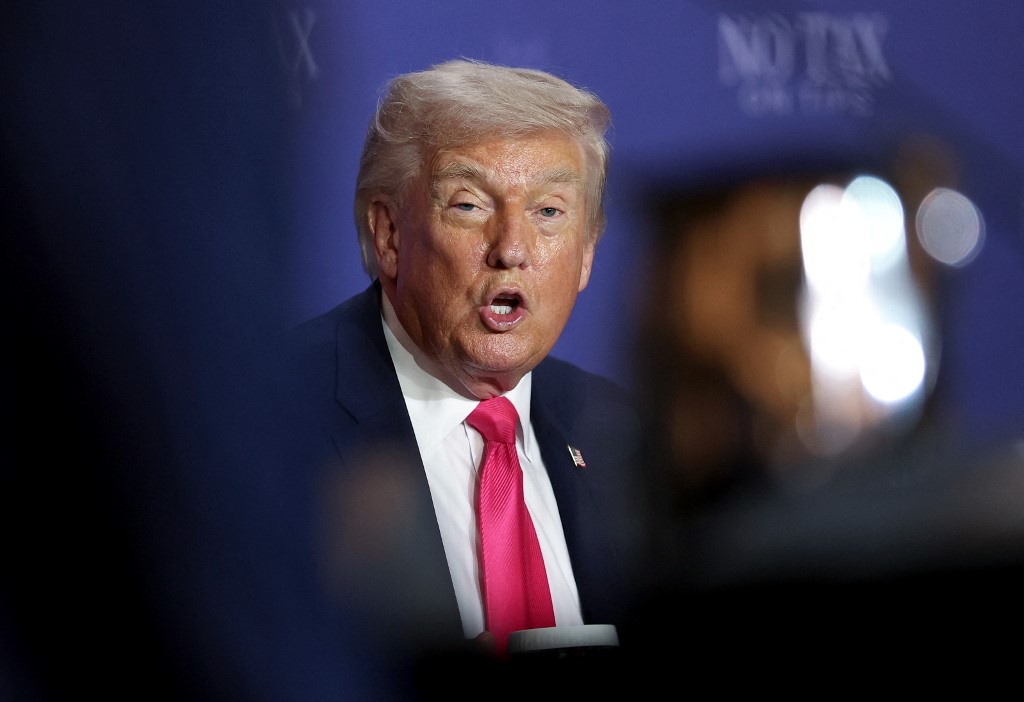
Iran's foreign minister announced that the country will not engage in direct negotiations with the United States unless President Trump ceases his threats of military action. Additionally, he emphasized that discussions regarding Iran's ballistic missile program are off the table. This statement comes amid ongoing tensions between the two nations. This development highlights the persistent strain in U.S.-Iran relations, rooted in decades of conflict and mistrust. The refusal to negotiate under threat reflects a broader pattern in international diplomacy, where coercive tactics often hinder constructive dialogue. The historical context of U.S.-Iran interactions, particularly since the 1979 Iranian Revolution, underscores the complexities of addressing security concerns and regional stability. As both nations navigate this fraught landscape, the implications of their standoff resonate beyond immediate political concerns, influencing global security dynamics and alliances in the Middle East. The situation remains critical, as it encapsulates the challenges of diplomacy in an era marked by aggressive posturing and the potential for escalation.
Advertisement
Lindy Score Breakdown (V4.2)
Score BreakdownRisk 35
Stories gain Lindy status through source reputation, network consensus, and time survival.
Breaking Similar stories




Anti-Lindy Similar stories