Trump taps Kevin Warsh to lead the Federal Reserve
NPR • 1/30/2026
Summary
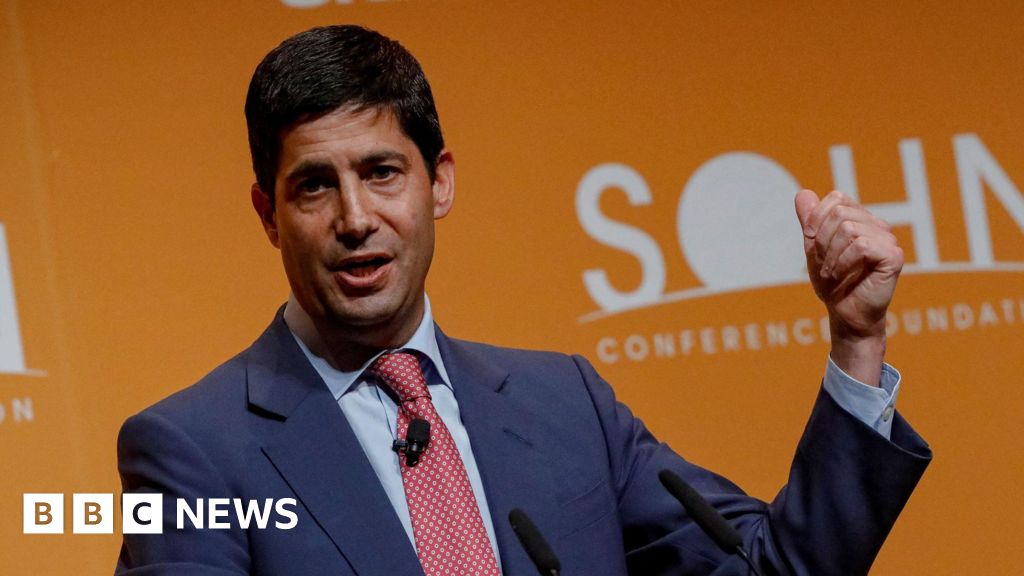
President Donald Trump has announced his intention to nominate Kevin Warsh as the next chair of the Federal Reserve, succeeding Jerome Powell when his term concludes in May. This decision aligns with Trump's ongoing advocacy for the central bank to implement significant interest rate reductions. This development highlights the ongoing tension between presidential influence and central bank independence, a recurring theme in U.S. economic policy. Historically, the Federal Reserve has operated with a degree of autonomy to insulate monetary policy from political pressures, a principle that has been tested during various administrations. Warsh's potential appointment could signal a shift towards a more interventionist approach, reflecting Trump's broader economic strategy. The implications of this nomination extend beyond immediate interest rate discussions, as it raises questions about the future direction of U.S. monetary policy and its responsiveness to political agendas. As economic conditions evolve, the dynamics between the executive branch and the Federal Reserve will continue to be a focal point for analysts and policymakers alike, underscoring the importance of this appointment in shaping the nation's financial landscape.
Advertisement
Cluster Activity
Lindy Score Breakdown (V4.2)
Story Timeline
- 2026-01-30Trump taps Kevin Warsh to lead the Federal Reserve (current)
- 2026-01-31
- 2026-02-01
- 2026-02-02
AnalysisRisk 10
Same Story from 11 sources



Breaking Similar stories
Anti-Lindy Similar stories