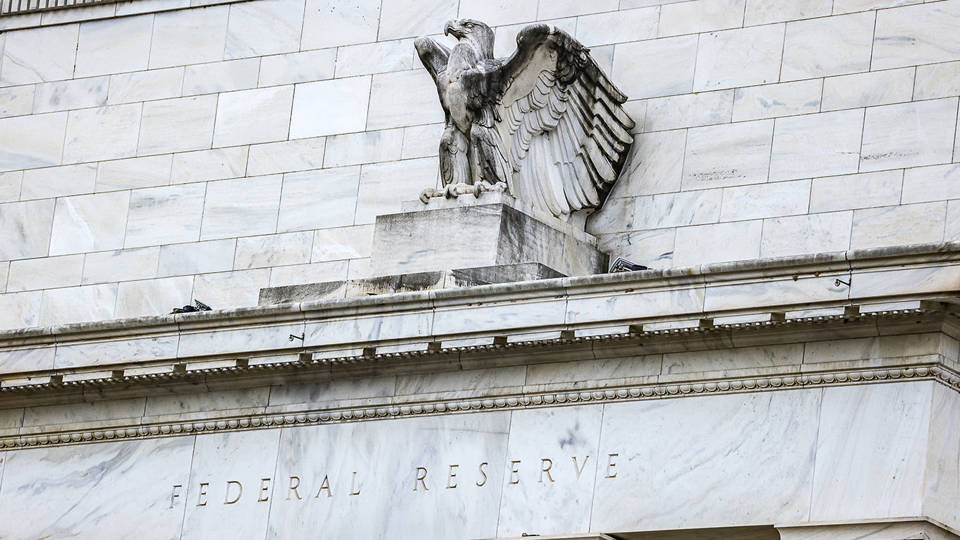
Kevin Warsh May Be Just What the Fed Needs
City Journal • 1/30/2026 – 2/2/2026
Summary
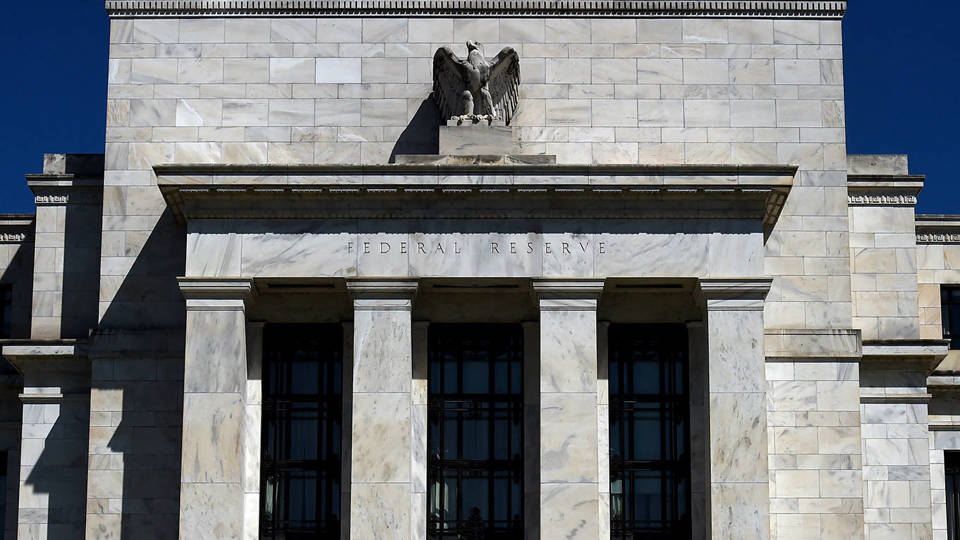
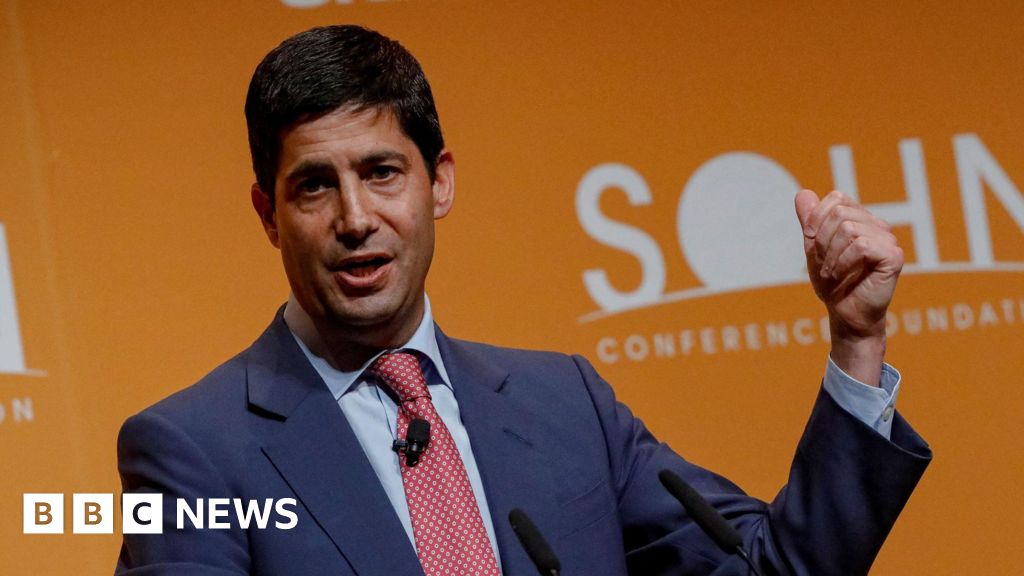
President Donald Trump has nominated Kevin Warsh, a former Federal Reserve governor, to succeed Jerome H. Powell as Chair of the Federal Reserve, pending Senate confirmation. Powell's term is set to conclude in May, necessitating the appointment of a new leader at the central bank. Warsh's nomination reflects Trump's ongoing engagement in economic matters and his desire to shape monetary policy in alignment with his administration's priorities. Warsh was previously considered for the position during Trump's first term, indicating his longstanding candidacy for this role (The New York Times, Fortune). Warsh's nomination comes at a critical time as the Federal Reserve faces significant challenges related to inflation and economic recovery. His selection has raised concerns regarding the independence of the Federal Reserve, which is essential for U.S. economic stability. Warsh has expressed skepticism about the Fed's policies in the past, which could influence the central bank's future autonomy and its ability to operate free from political pressures (Politico, The Guardian). The implications of Warsh's nomination may significantly affect market confidence and public trust in the Federal Reserve's effectiveness in managing monetary policy (The Guardian, BBC). Historically, the Federal Reserve has operated with a degree of autonomy to insulate monetary policy from political pressures, a principle that has been tested during various administrations. Warsh's potential appointment could signal a shift towards a more interventionist approach, reflecting Trump's broader economic strategy. This development underscores the ongoing tension between political influence and central bank independence, a recurring theme in U.S. economic policy (NPR, The Guardian). As the economy navigates complex issues such as inflation and employment, the choice of Fed Chair will likely have lasting implications for market stability and economic growth. Warsh's nomination may indicate a shift in the Federal Reserve's approach to interest rates and monetary tightening, aligning with Trump's preference for individuals who closely reflect his views and policies (The New York Times, The Guardian). This situation illustrates the historical influence of presidential appointments on the Federal Reserve's direction and monetary policy, particularly during times of economic uncertainty (Financial Times, The Guardian).
Advertisement
Cluster Activity
Story Timeline
- 2026-01-30
- 2026-01-31
- 2026-02-01
- 2026-02-02Kevin Warsh May Be Just What the Fed Needs (current)
Same Story from 11 sources


Breaking Similar stories







Survived Similar stories

Anti-Lindy Similar stories