Will Iran collapse without Khamenei or can its regime endure?
South China Morning Post • 2/28/2026 – 3/1/2026

Summary
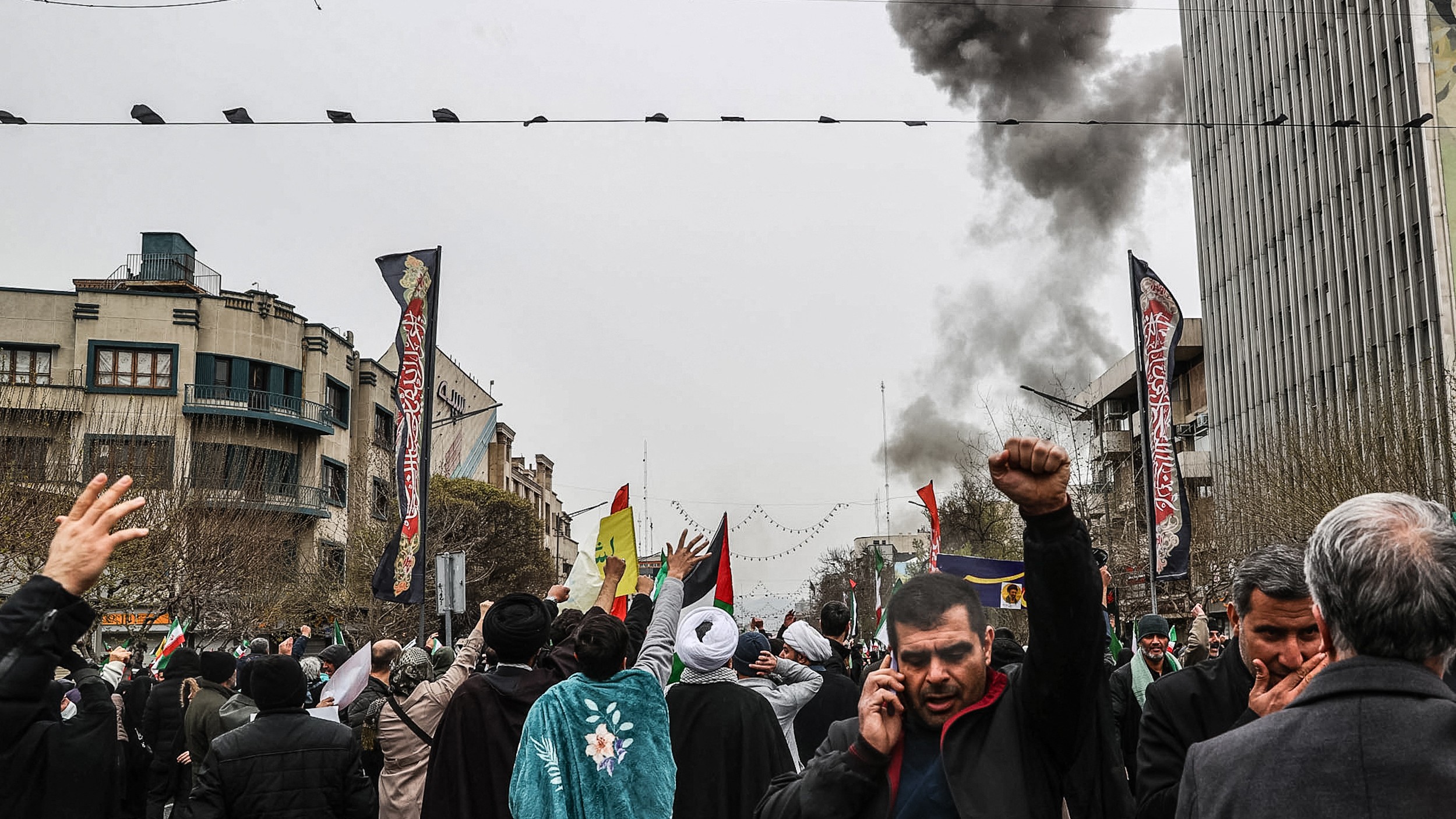
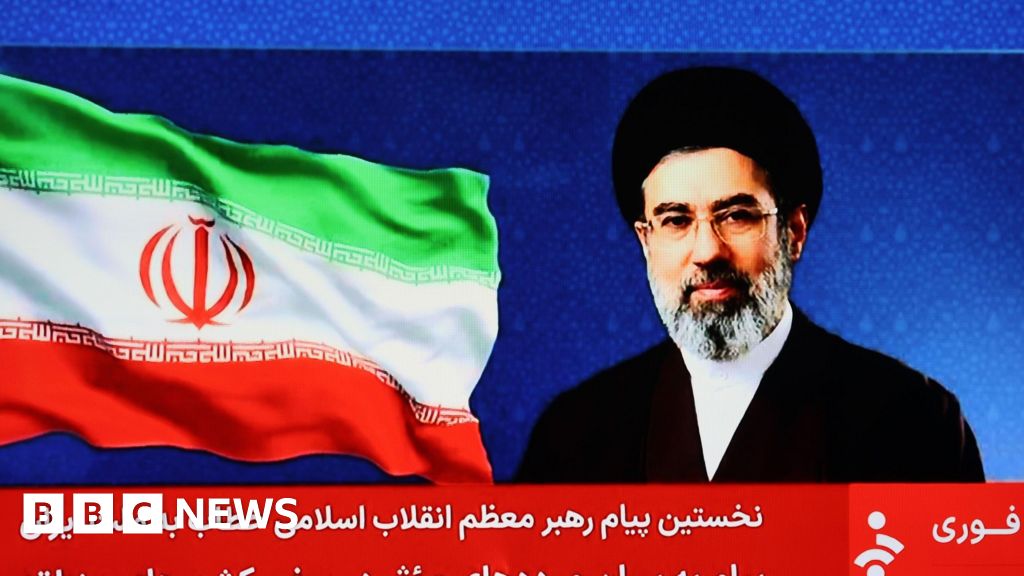
The killing of Iran’s Supreme Leader Ayatollah Ali Khamenei has raised significant questions regarding the future of the Islamic Republic, which he dominated for nearly four decades. Analysts suggest that while there is a leadership vacuum, the immediate signs indicate a hardening continuity within the regime rather than an imminent collapse. Security institutions are reportedly closing ranks, and the battlefield dynamics are shifting, although signs of internal rupture persist (Primary Source). Khamenei's death marks the end of a consequential chapter in Iran's modern history, leaving uncertainty about the future leadership and direction of the country (Japan Times). The United States has speculated on a potential swift regime collapse; however, analysts caution that the power vacuum could lead to the emergence of a more aggressive leadership (Al Jazeera). In response to Khamenei's assassination, Iran has established a temporary leadership council to assume governance duties, as mandated by its constitution. This council includes the sitting president and other key figures (South China Morning Post). The contours of a complex succession process began to take shape immediately following Khamenei's death, indicating that the regime is taking steps to maintain stability in the wake of this significant loss.
Advertisement
Cluster Activity
Lindy Score Breakdown (V4.2)
Story Timeline
- 2026-02-28
- 2026-03-01Will Iran collapse without Khamenei or can its regime endure? (current)
- 2026-03-02
- 2026-03-03
- 2026-03-11
- 2026-03-12
- 2026-03-13
Score BreakdownRisk 25
Stories gain Lindy status through source reputation, network consensus, and time survival.
Same Story from 11 sources





Breaking Similar stories



Anti-Lindy Similar stories