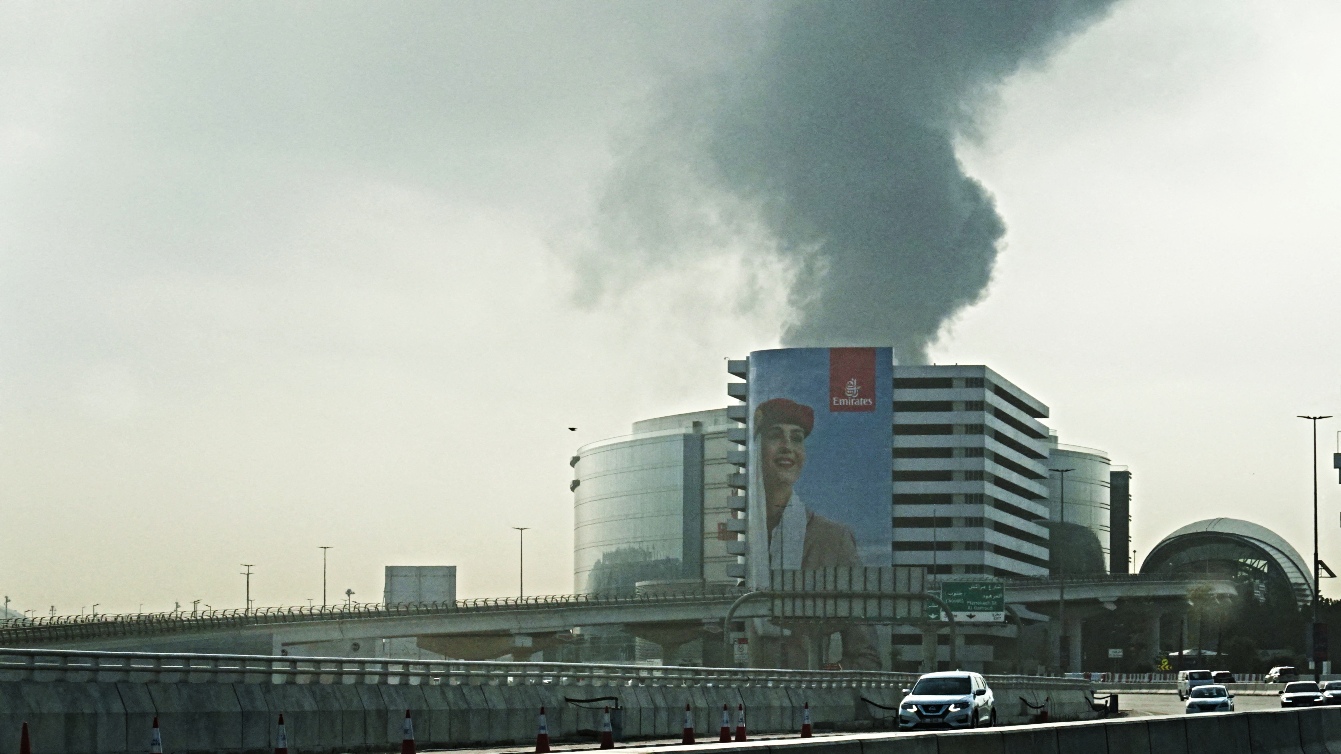
US steps up aid to Cuba while choking off fuel supply
Reuters • 2/5/2026 – 2/6/2026

Summary
Cuba is currently facing a severe fuel crisis exacerbated by U.S. pressure, leading to the implementation of emergency measures across the island. The United States has effectively cut off Cuba's access to its primary petroleum sources in Venezuela and Mexico, significantly impacting the nation's fuel supply. This situation has resulted in the closure of universities, a reduction in school hours, and a shortened work week. Additionally, public transport services have been slashed, forcing residents to undertake long walks home and endure power cuts (Reuters, The Hindu). As the crisis deepens, Cuban authorities have announced that they are out of jet fuel, prompting drastic measures to protect essential services. The government has closed some tourist sites and reduced transport services, further contributing to the challenges faced by the population. The ongoing U.S. blockade has pushed Cuba's 11 million residents to the brink, creating a climate of uncertainty and hardship (Miami Herald, Al Jazeera). In response to the dwindling fuel supplies, Cuba is prioritizing essential services while grappling with the consequences of the U.S. oil blockade. The situation has led to widespread disruptions in daily life, with citizens experiencing increased difficulties in accessing basic needs and services (France24). The combination of U.S. political pressure and the resulting fuel shortages has created a critical energy crisis that continues to affect the island nation significantly (France24).
Advertisement
Cluster Activity
Lindy Score Breakdown (V4.2)
Story Timeline
- 2026-02-05US steps up aid to Cuba while choking off fuel supply (current)
- 2026-02-06
- 2026-02-07
- 2026-02-08
- 2026-02-09
- 2026-02-10
- 2026-02-12
- 2026-02-18
AnalysisRisk 10
Same Story from 11 sources





Breaking Similar stories




Anti-Lindy Similar stories