Bangladesh’s interim leader Yunus steps down as new gov’t set to take over
Al Jazeera • 2/13/2026 – 2/16/2026

Summary
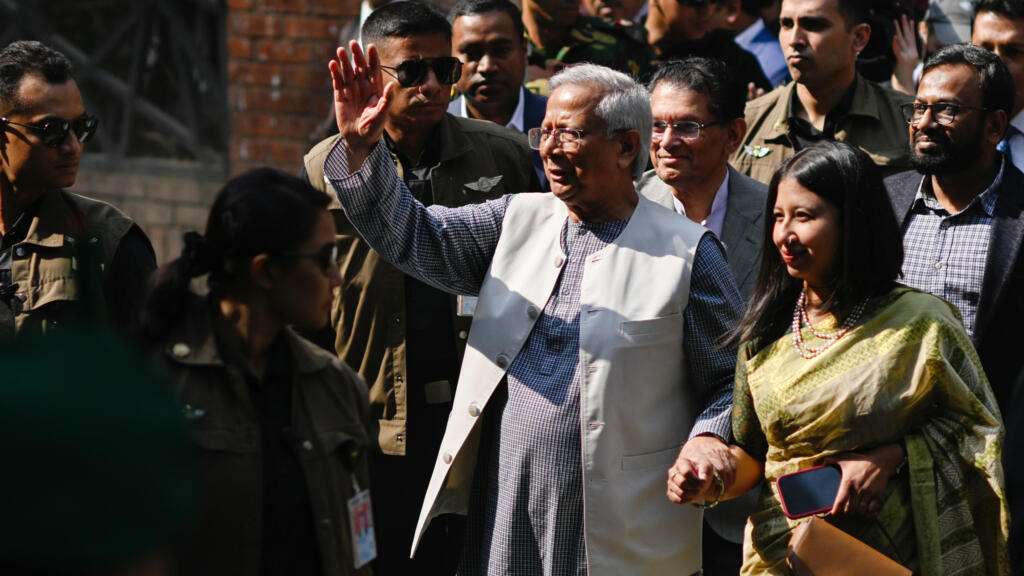
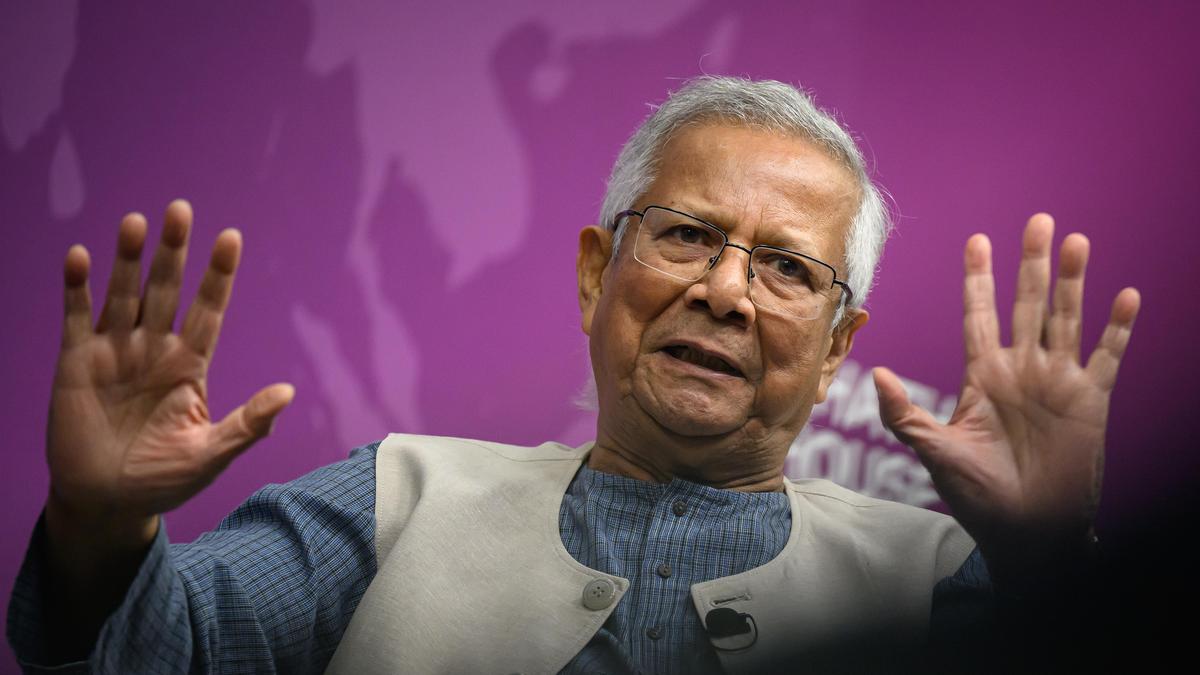
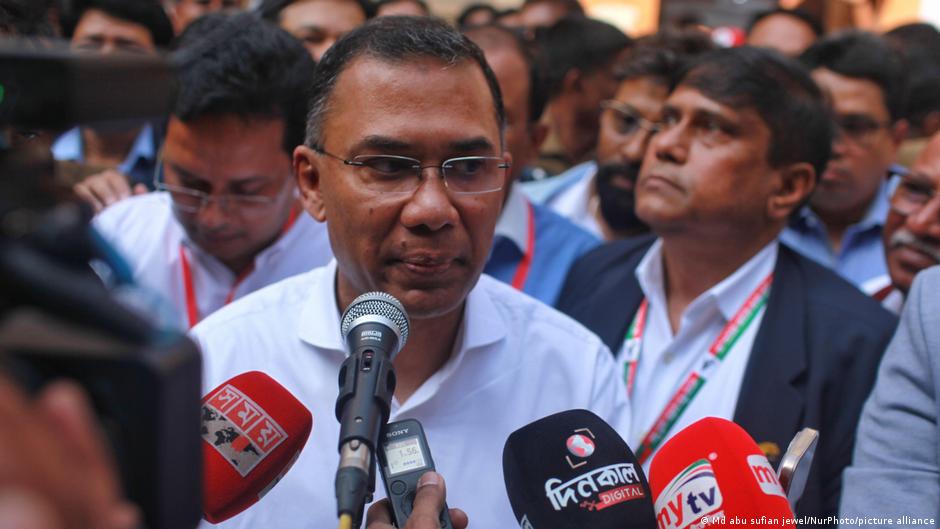
Muhammad Yunus, the interim leader of Bangladesh, stepped down on Monday, transitioning power to an elected government led by the Bangladesh Nationalist Party (BNP) and its leader, Tarique Rahman. Yunus, who has overseen the country's post-uprising transition since 2024, emphasized the importance of continuing democratic practices in his resignation statement. His departure follows national elections in which voters endorsed significant democratic reforms via a referendum in February, marking a pivotal moment in Bangladesh's political landscape. Tarique Rahman, who returned to Bangladesh in December after spending over 17 years in self-exile in London, is poised to become the next Prime Minister. The BNP's victory represents a significant shift in the country's governance, as it has secured a historic majority in the first election since the ousting of former Prime Minister Sheikh Hasina. The BNP's ascent to power comes after a period of violent protests in 2024 that led to the removal of Hasina's government. Yunus congratulated Rahman on what he described as a "landslide victory" for the BNP, signaling a new chapter in Bangladeshi politics after two decades of Hasina's leadership. The transition of power marks a crucial step in the restoration of democratic governance in Bangladesh, following a tumultuous period characterized by political unrest and public demand for change.
Advertisement
Cluster Activity
Lindy Score Breakdown (V4.2)
Story Timeline
- 2026-02-13
- 2026-02-14
- 2026-02-16Bangladesh’s interim leader Yunus steps down as new gov’t set to take over (current)
AnalysisRisk 10
Same Story from 6 sources


Breaking Similar stories





Anti-Lindy Similar stories