NASA moves Artemis 2 launch to March after hydrogen leak during testing - Engadget
Engadget • 2/3/2026 – 2/4/2026
Summary
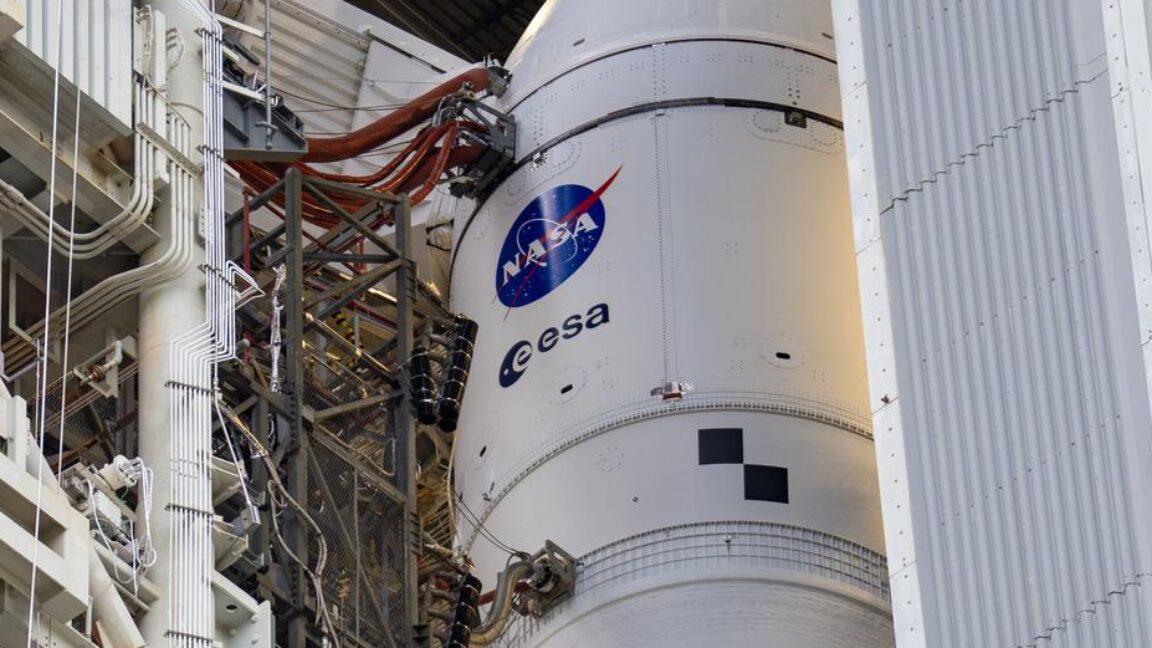
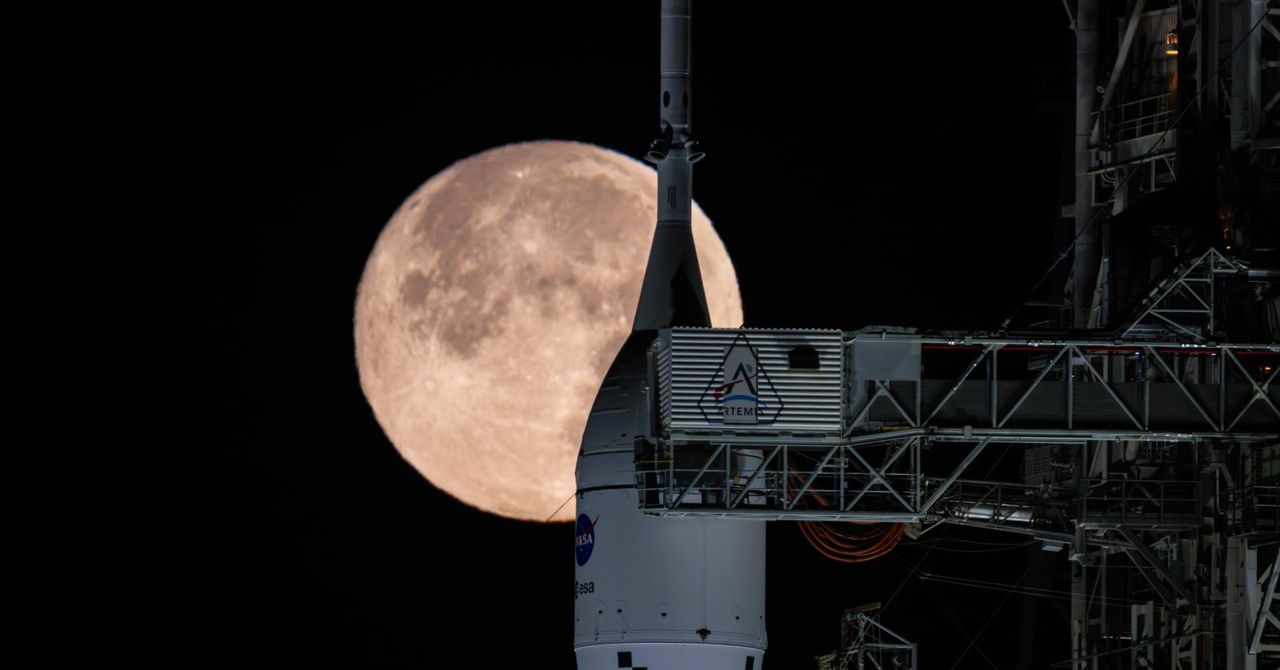
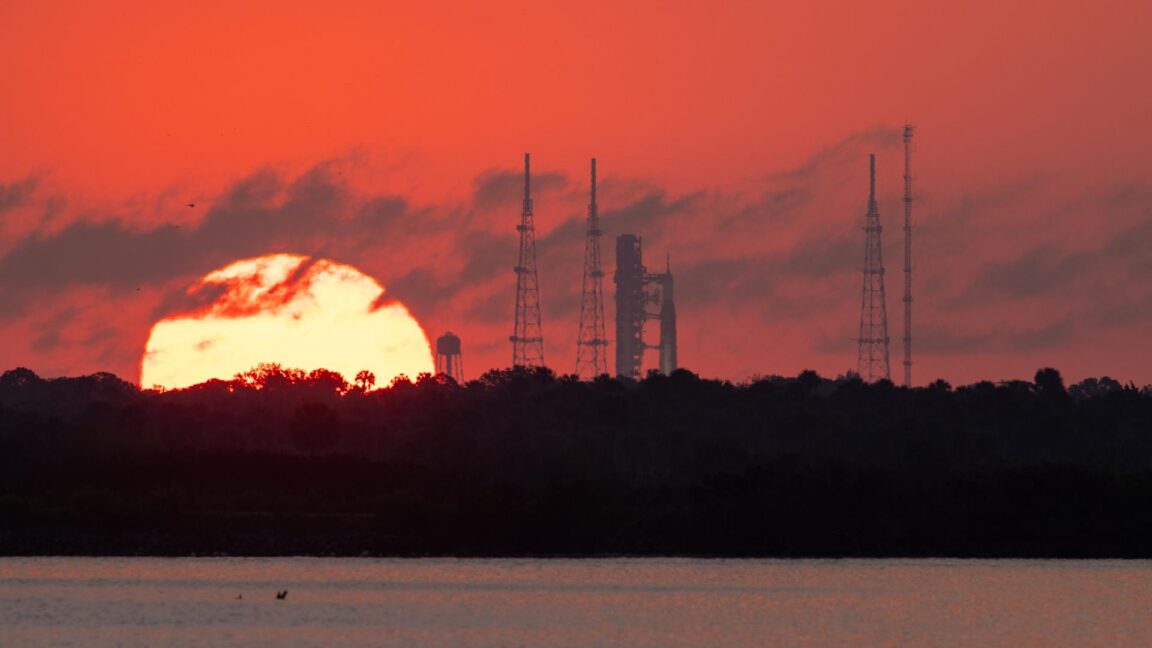
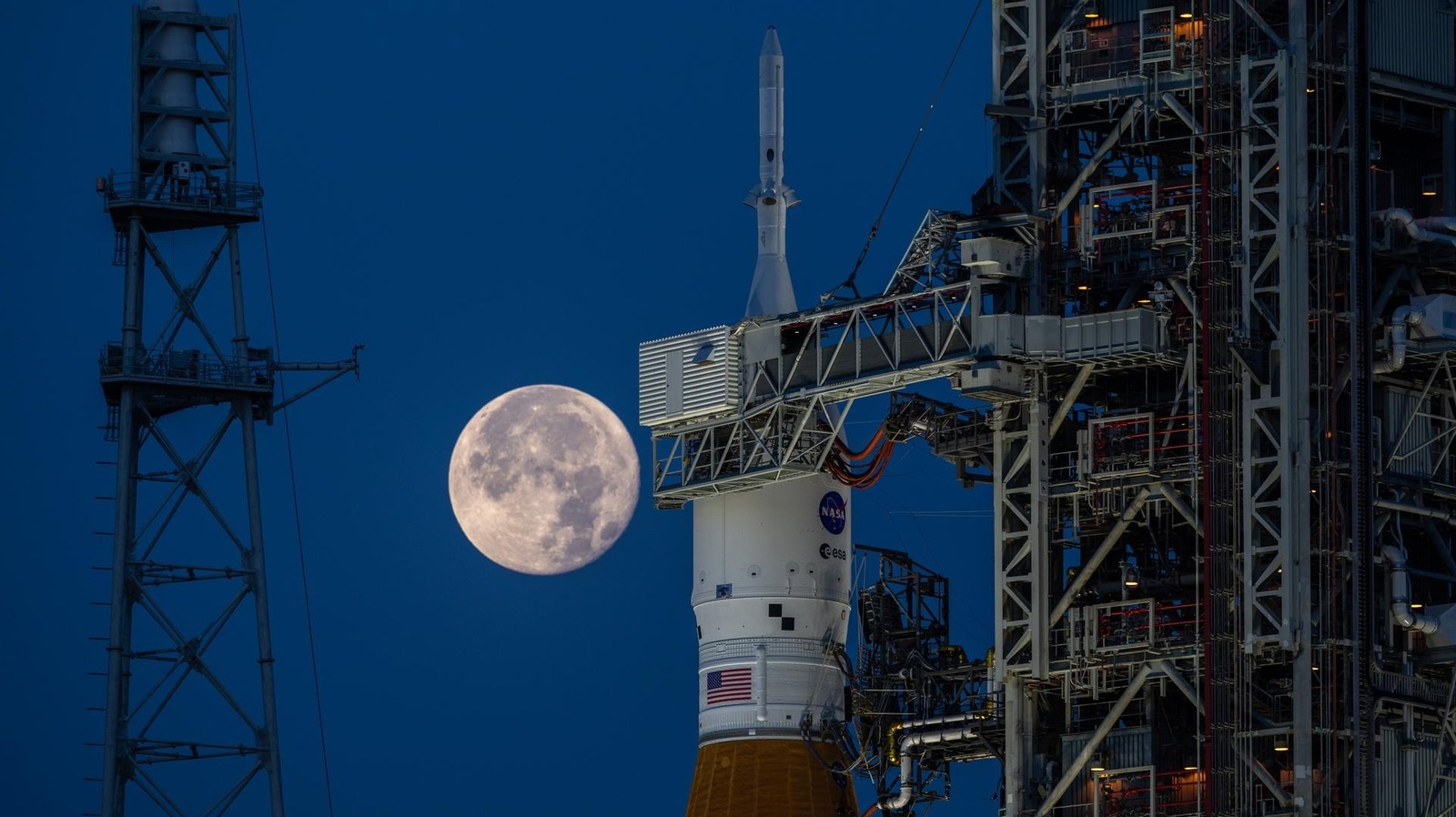
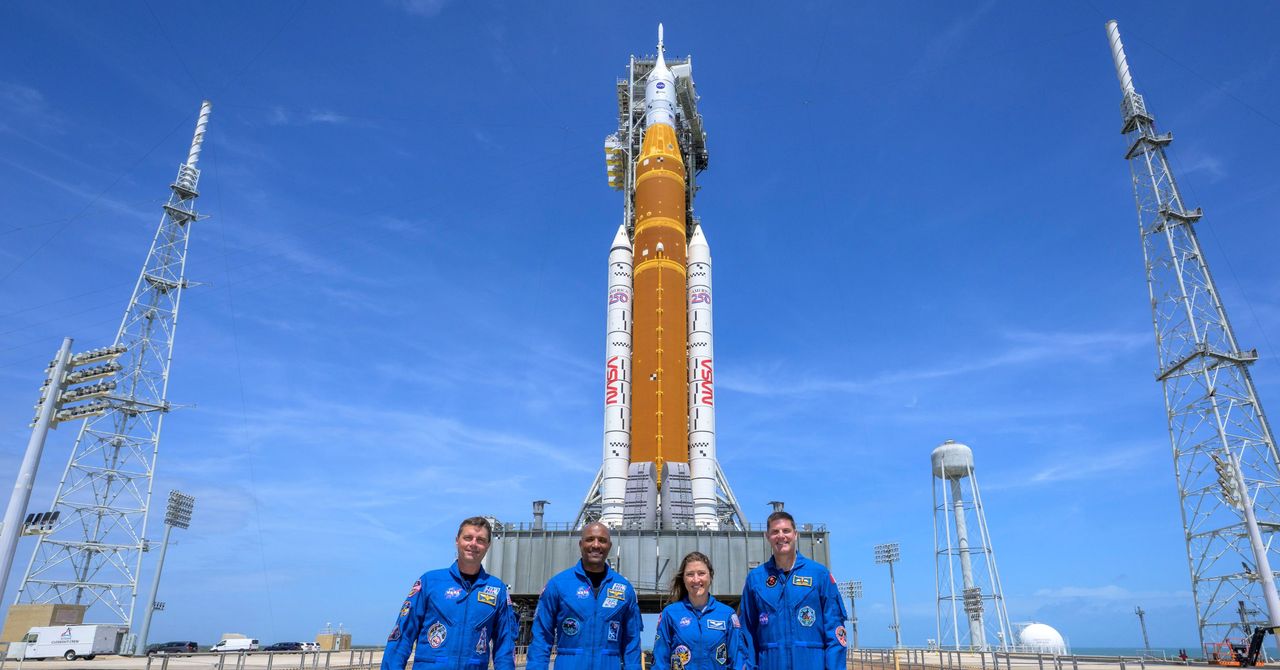
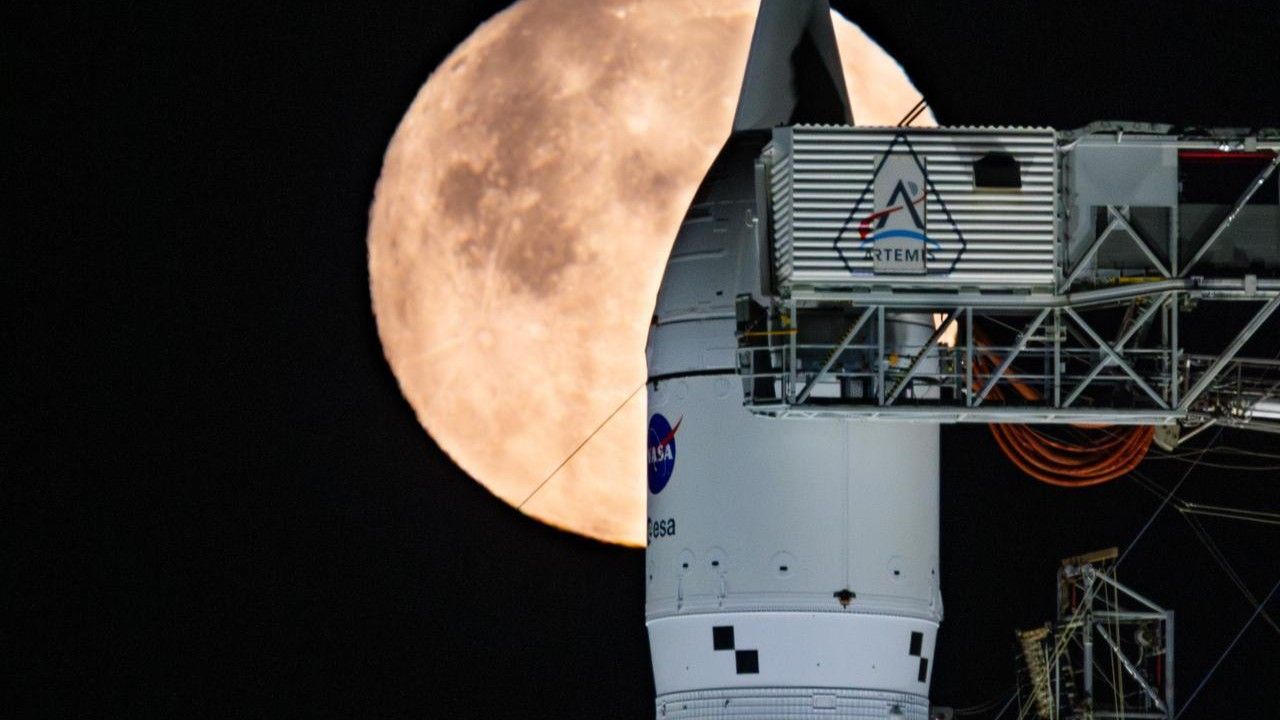
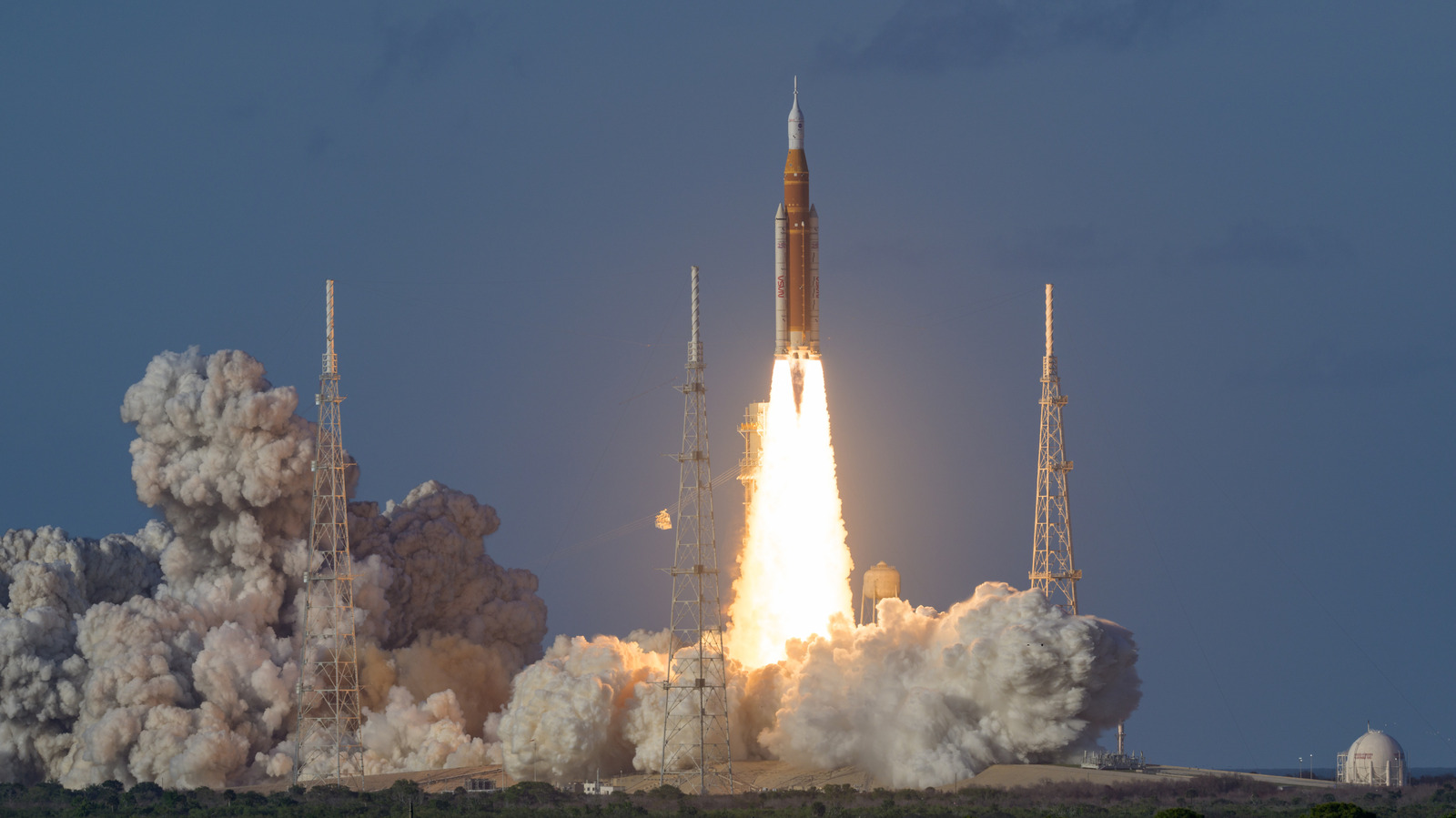
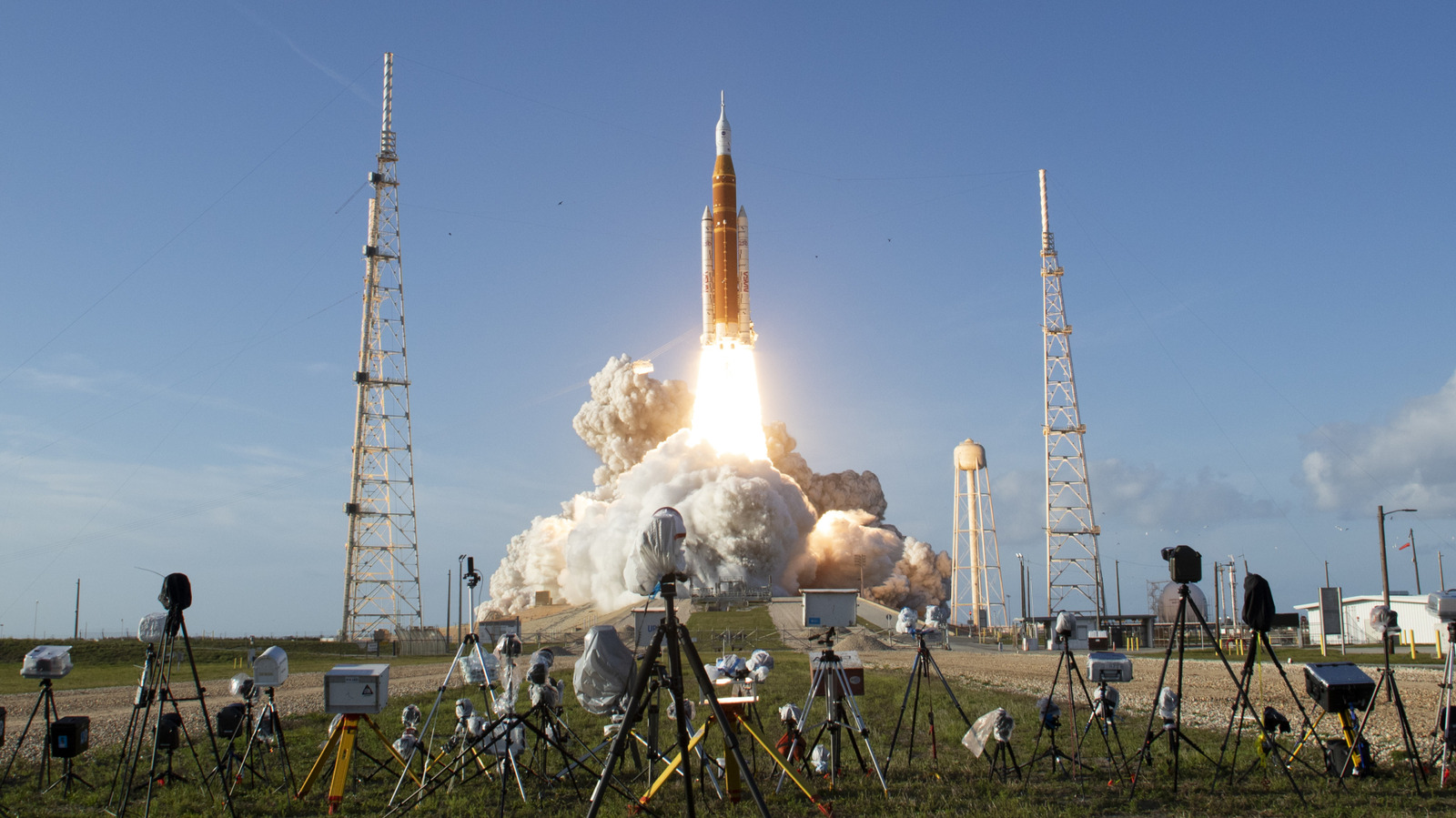
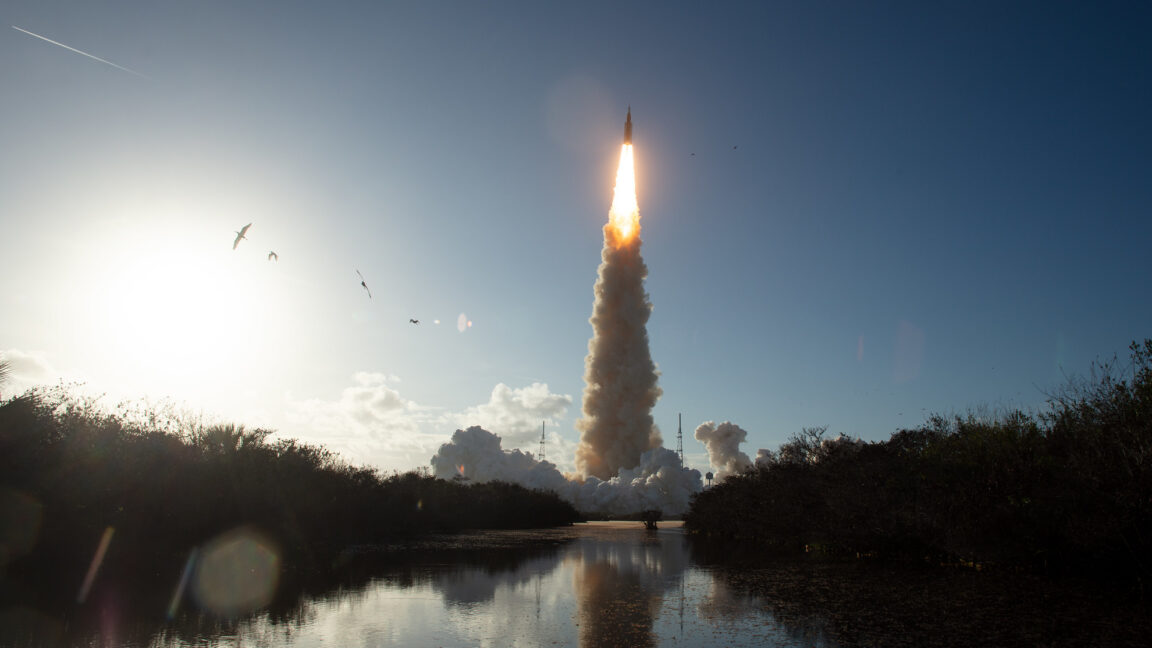
NASA has postponed the launch of its Artemis II mission to March 2024 due to persistent hydrogen leaks encountered during a fueling test. The mission, which aims to send astronauts around the Moon, was originally scheduled for late 2023 but has faced multiple technical challenges at the Kennedy Space Center in Florida. The hydrogen leaks experienced during the Artemis II preparations are reminiscent of similar issues that plagued the Artemis I mission, which took place more than three years ago (Engadget, Ars Technica, SpaceNews). NASA officials have defended their preparations for the Artemis II mission, stating that they are actively examining the hydrogen leaks that have emerged during the fueling test. These leaks have proven difficult to resolve, raising concerns about the reliability of the Space Launch System (SLS) rocket. The ongoing challenges with hydrogen leaks highlight the complexities involved in modern space exploration, where safety and reliability are critical (Space.com, SpaceNews). The Artemis program is central to NASA's plans for lunar exploration and future missions to Mars. The delays caused by technical difficulties, such as those related to hydrogen leaks, reflect broader implications for the timeline and success of future lunar and interplanetary missions. As NASA continues to address these issues, the need for innovation and effective problem-solving in aerospace engineering remains paramount (Ars Technica).
Advertisement
Cluster Activity
Lindy Score Breakdown (V4.2)
Story Timeline
- 2026-02-03NASA moves Artemis 2 launch to March after hydrogen leak during testing - Engadget (current)
- 2026-02-04
Score BreakdownRisk 25
Stories gain Lindy status through source reputation, network consensus, and time survival.
Same Story from 4 sources


Breaking Similar stories





Anti-Lindy Similar stories