Unable to tame hydrogen leaks, NASA delays launch of Artemis II until March - Ars Technica
Ars Technica • 2/3/2026 – 2/4/2026
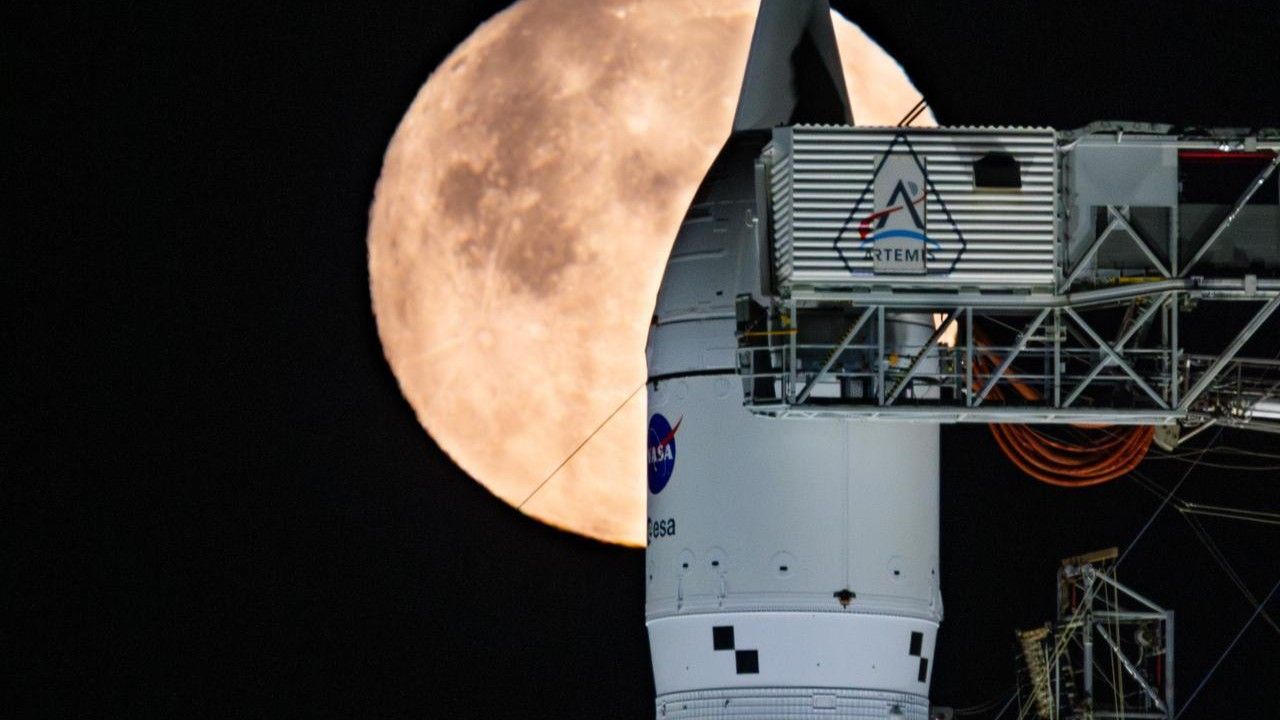
Summary
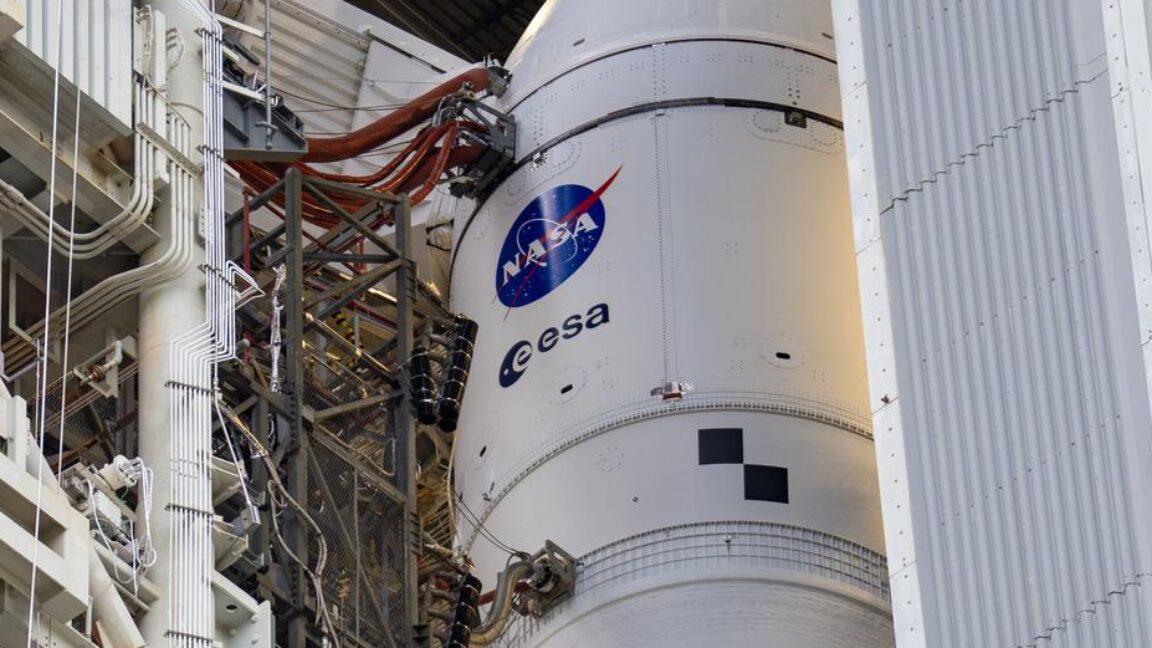
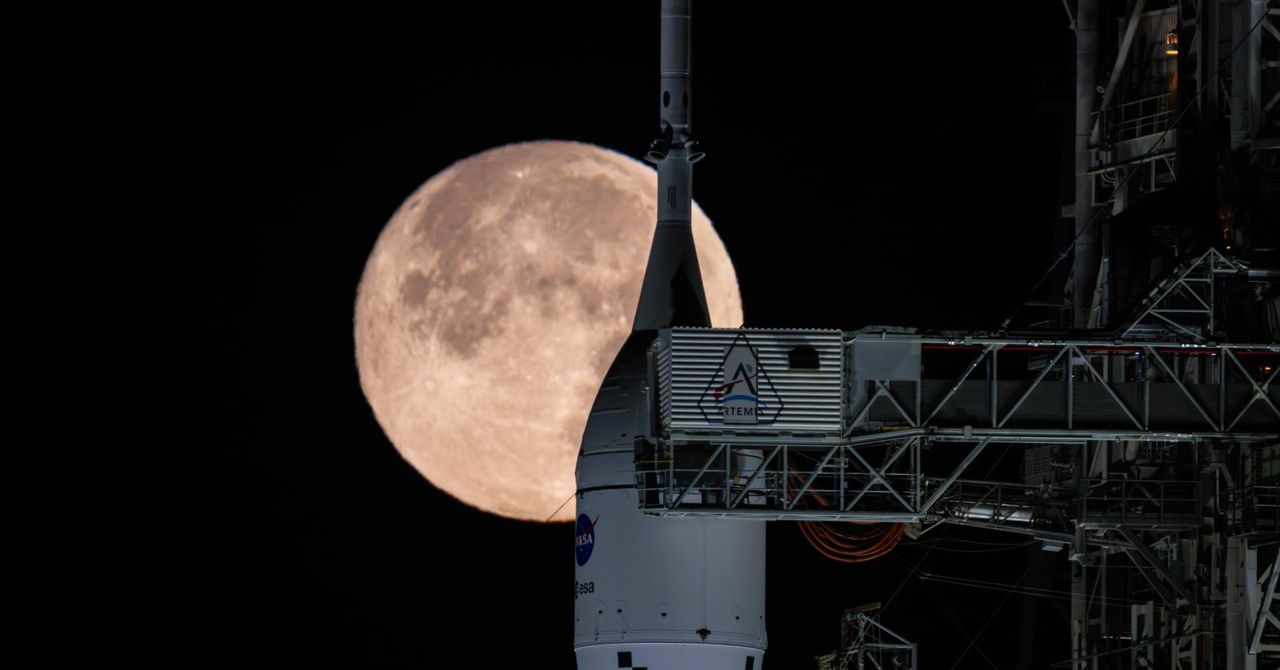
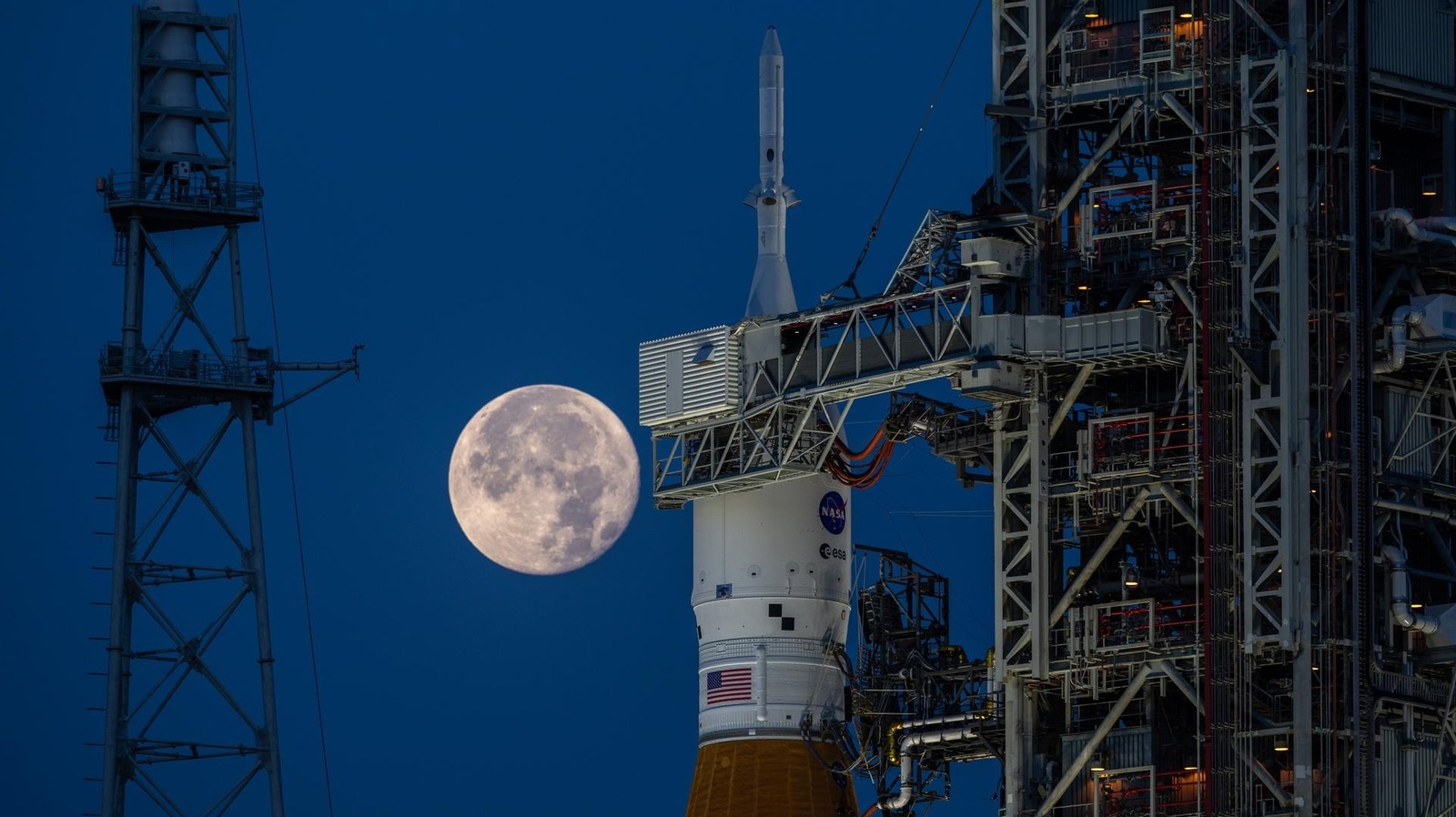
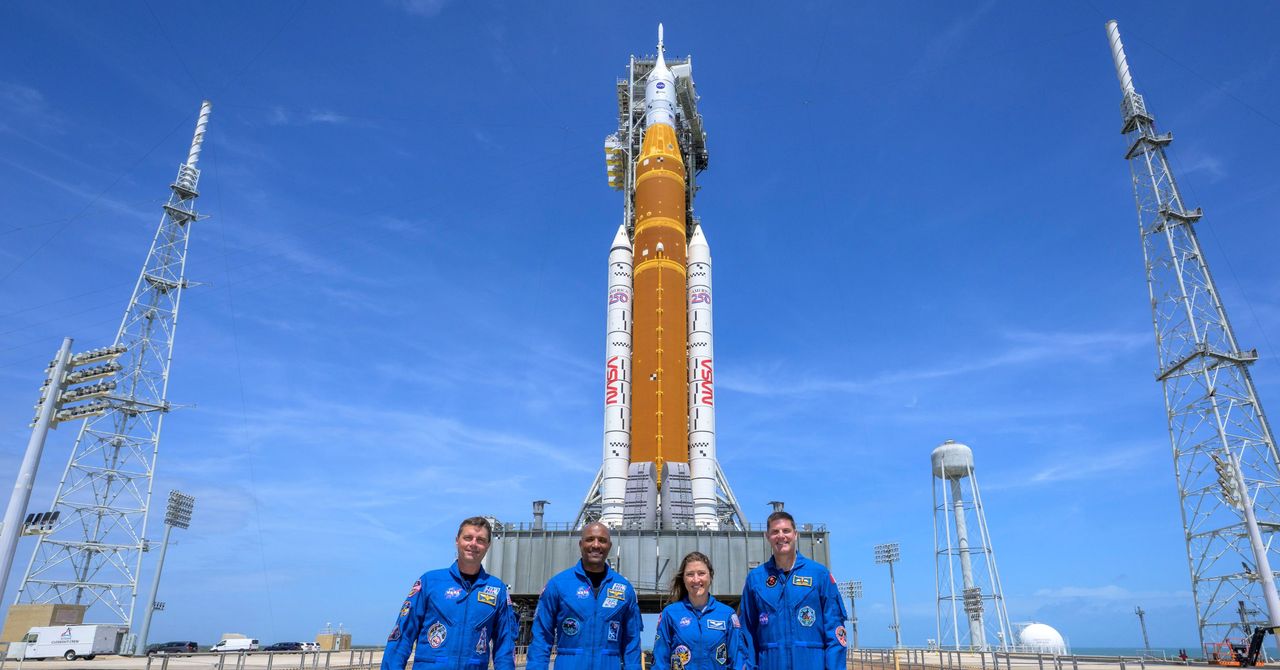
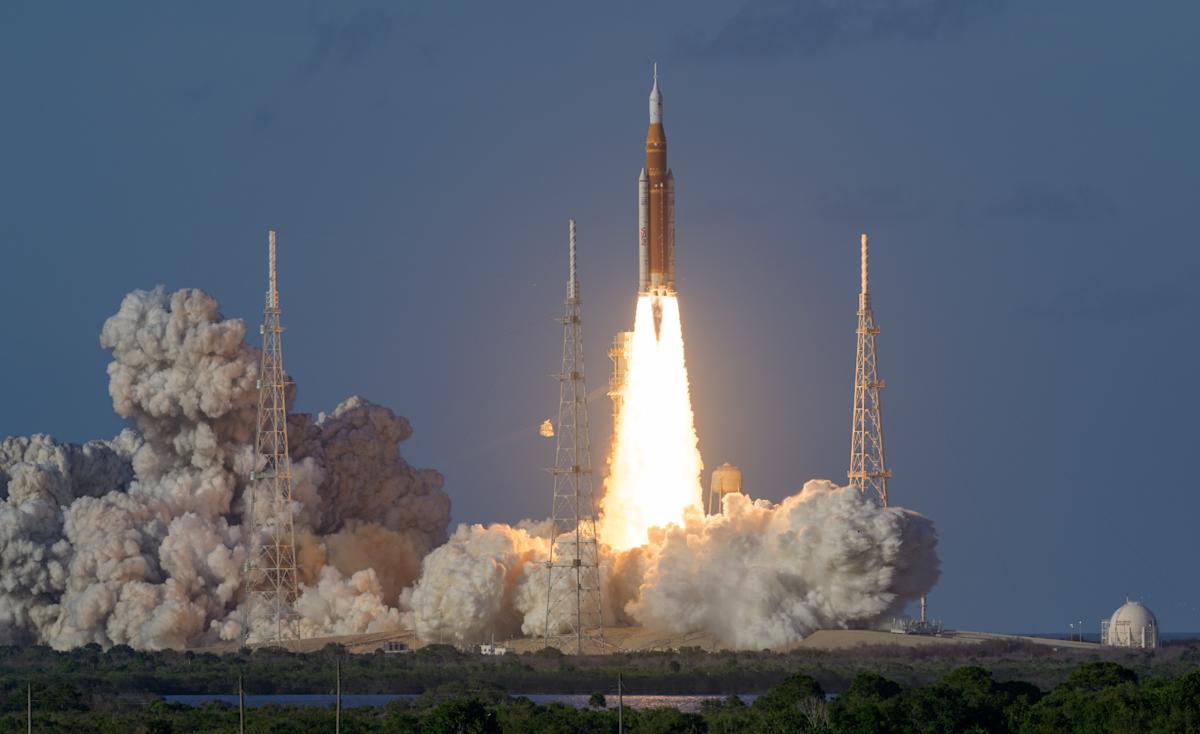
NASA has postponed the launch of its Artemis II mission to March 2024 due to persistent hydrogen leaks that have proven difficult to resolve. The mission, which aims to send astronauts around the Moon, was initially scheduled for late 2023 but has faced multiple technical challenges at the Kennedy Space Center in Florida. This delay highlights ongoing issues with the Artemis program, which is central to NASA's plans for lunar exploration and eventual Mars missions. The challenges of managing hydrogen leaks are reminiscent of past space missions where technical difficulties led to significant delays, such as the Space Shuttle program. The persistence of these issues underscores the complexities involved in modern space exploration, where safety and reliability are paramount. As NASA continues to address these technical hurdles, the broader implications for future lunar and interplanetary missions remain significant, reflecting the ongoing need for innovation and problem-solving in aerospace engineering. The Artemis II mission is not only a step toward returning humans to the Moon but also a critical component of a larger vision for sustainable human presence beyond Earth.
Advertisement
Cluster Activity
Lindy Score Breakdown (V4.2)
Story Timeline
- 2026-02-03Unable to tame hydrogen leaks, NASA delays launch of Artemis II until March - Ars Technica (current)
- 2026-02-04
Score BreakdownRisk 25
Stories gain Lindy status through source reputation, network consensus, and time survival.
Same Story from 4 sources


Breaking Similar stories




Anti-Lindy Similar stories