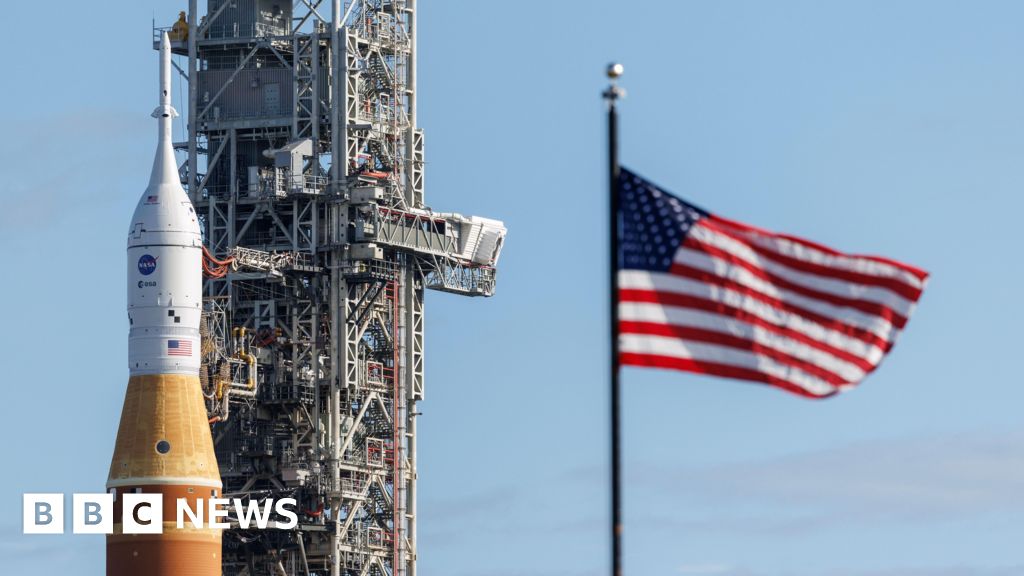
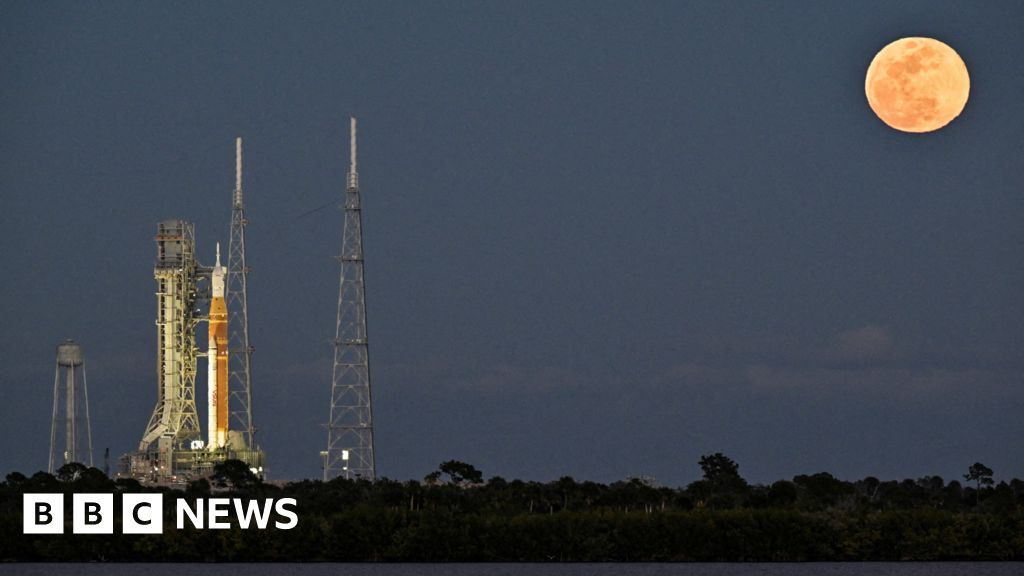
Nasa moon rocket hit by new problem, pushing launch with astronauts into April
South China Morning Post • 2/17/2026 – 2/21/2026

Summary
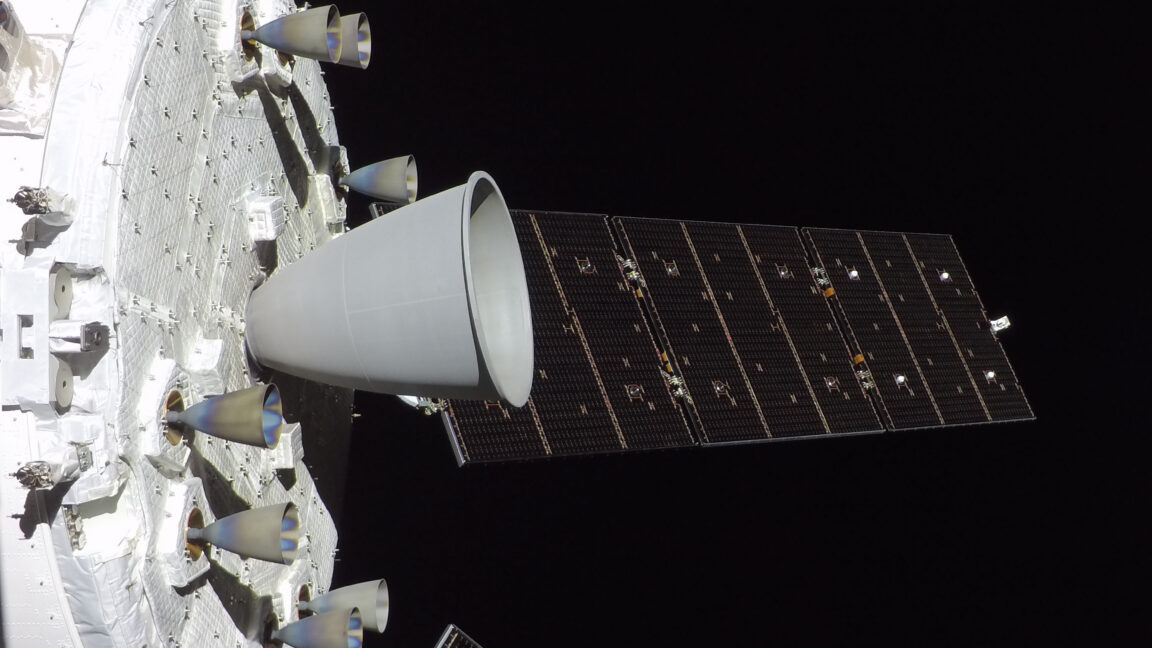
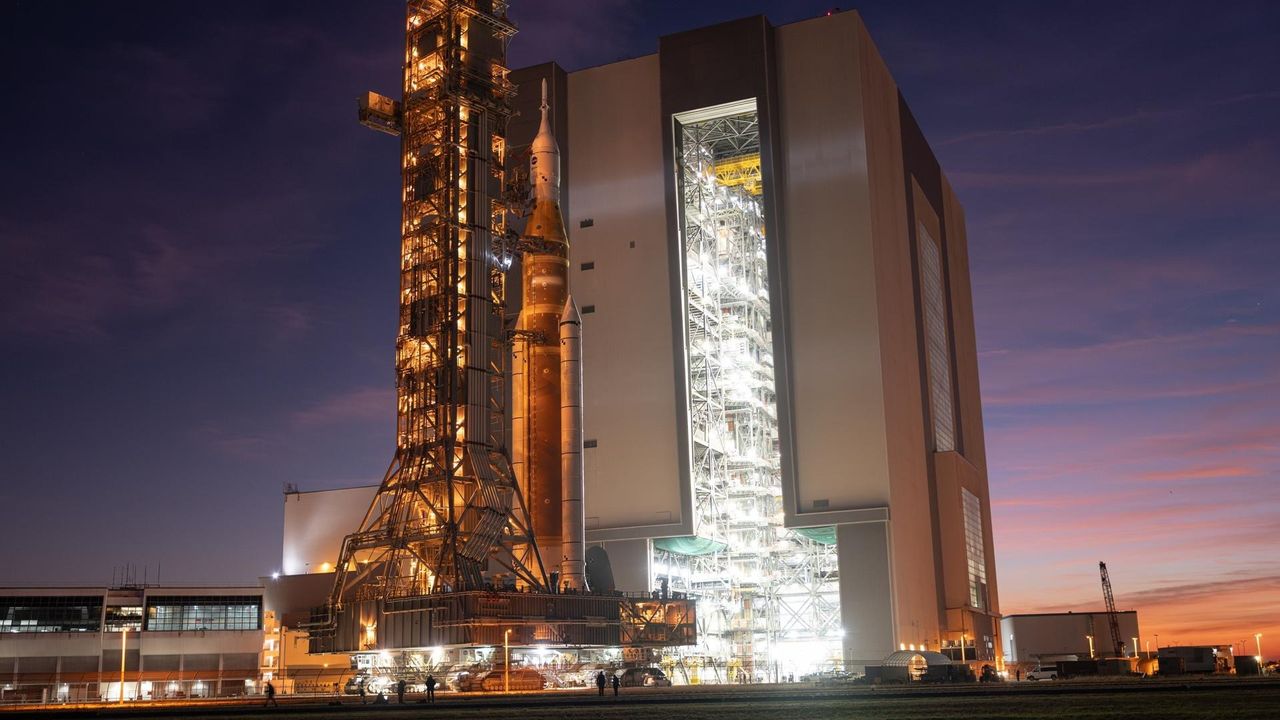
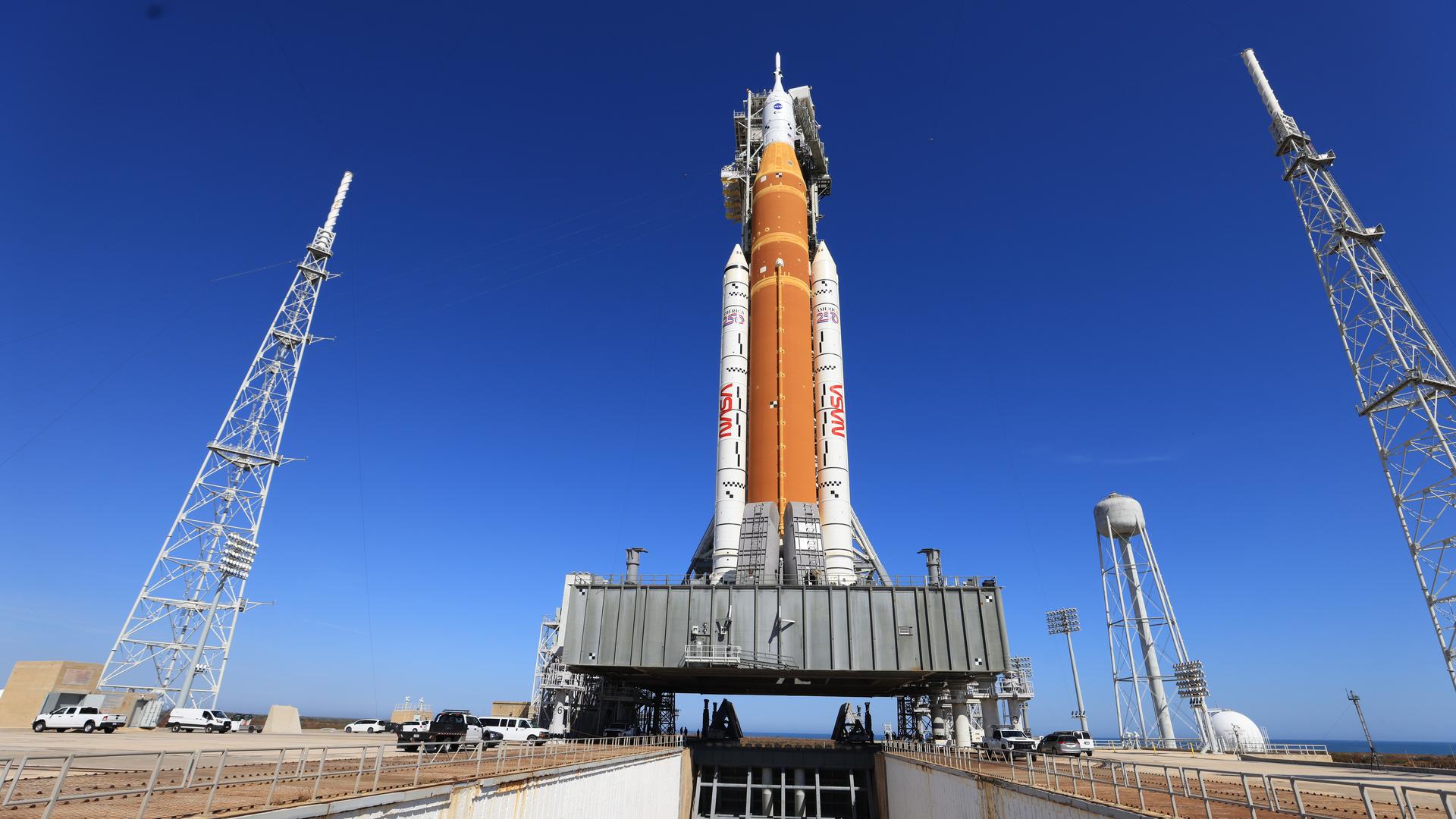
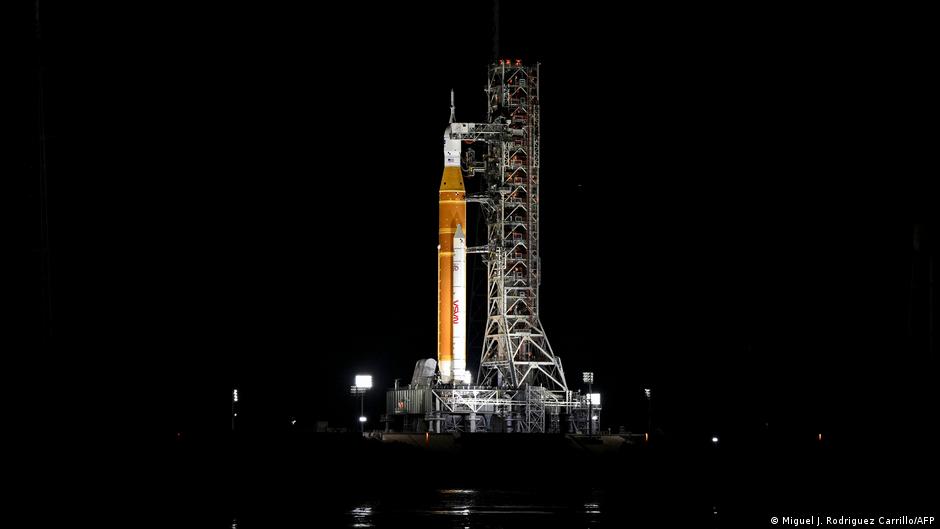
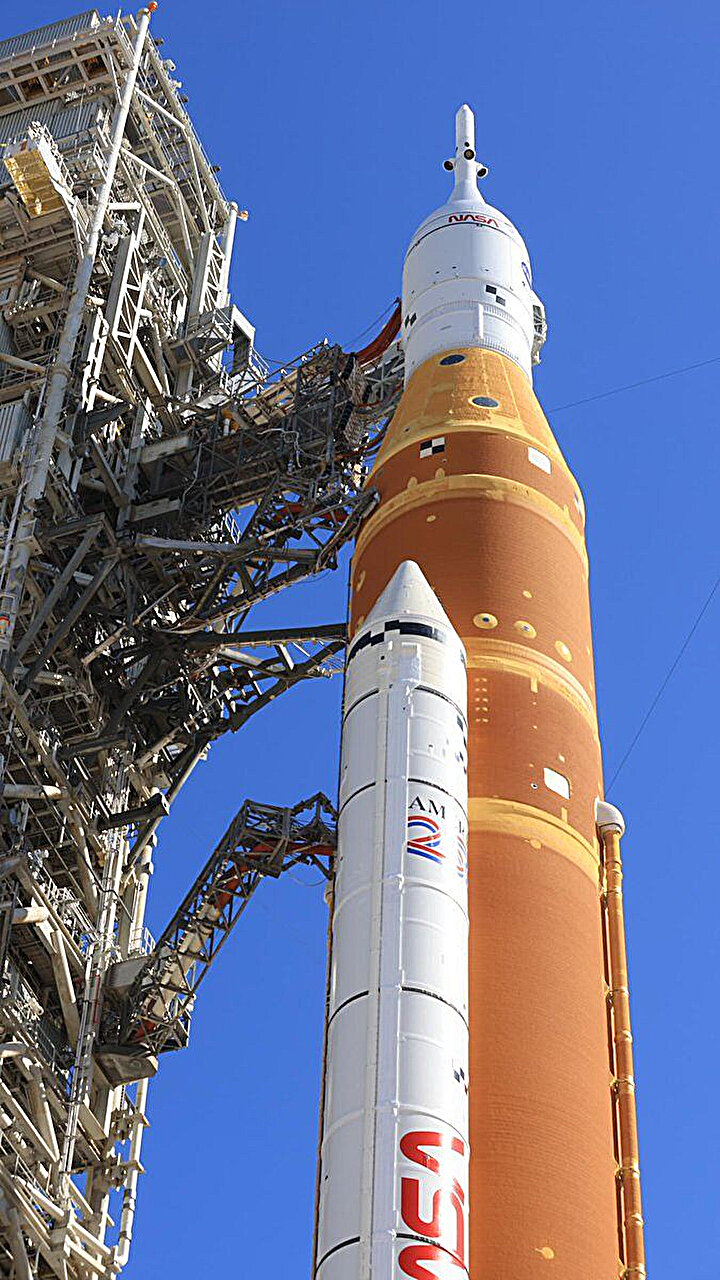
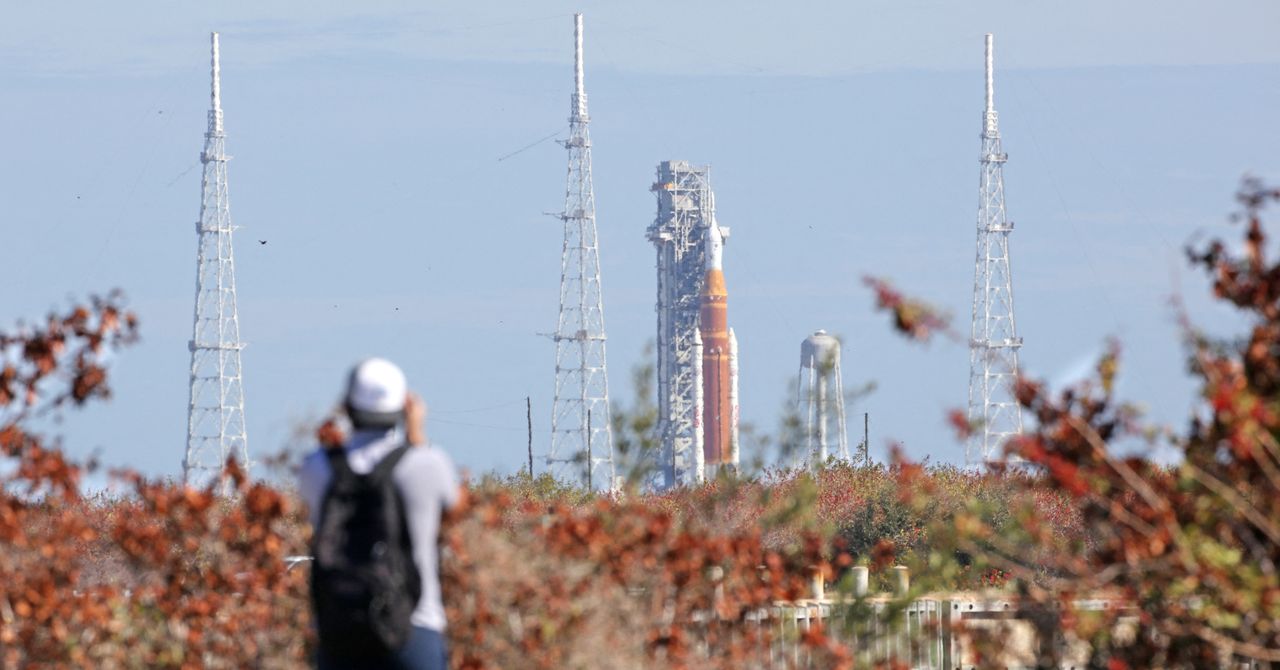
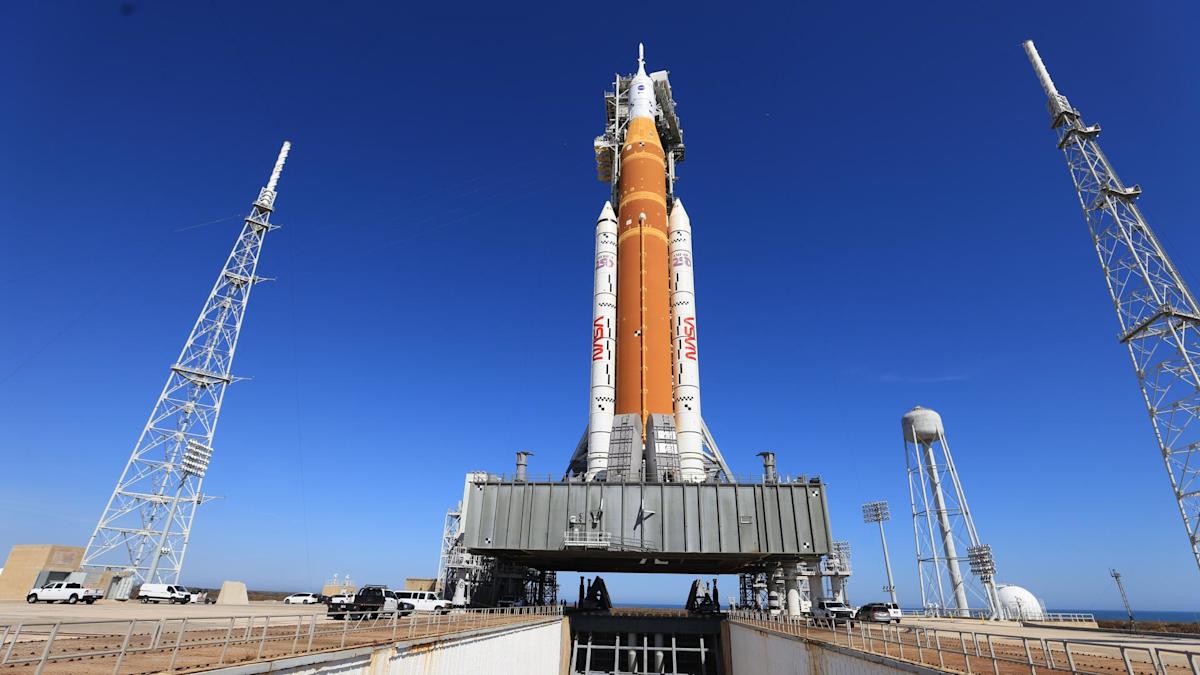
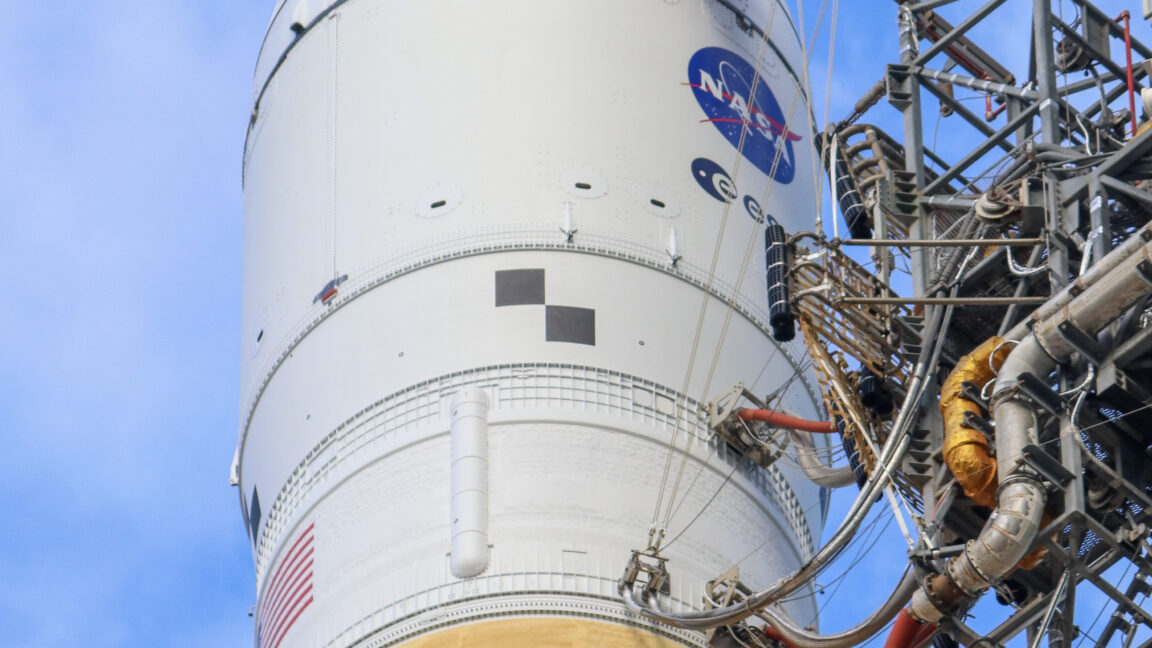
NASA's new moon rocket has encountered another issue, which is expected to delay the Artemis II mission, the first crewed lunar flight in over fifty years, into April. The space agency had previously targeted March 6 for the launch, but the latest problem arose when the flow of helium to the rocket's upper stage was interrupted. This helium flow is crucial for purging the engines and pressurizing the fuel tanks, and its disruption has led to the decision to postpone the mission. As a result of this setback, NASA plans to return the moon rocket to the hangar for further repairs. The rocket will remain grounded until at least April, as officials work to resolve the issues affecting its readiness for the upcoming mission. The Artemis II mission aims to send four astronauts to the moon, marking a significant milestone in NASA's lunar exploration efforts. Prior to this setback, NASA had made notable progress with the rocket's fueling tests, which had been previously disrupted by hydrogen leaks. Administrator Jared Isaacman noted that the launch teams had achieved major progress between the first and second countdown rehearsals. However, the recent helium flow interruption has now shifted the timeline for the Artemis II mission, pushing it further into the spring of 2024.
Advertisement
Cluster Activity
Lindy Score Breakdown (V4.2)
Story Timeline
- 2026-02-17
- 2026-02-18
- 2026-02-19
- 2026-02-20
- 2026-02-21Nasa moon rocket hit by new problem, pushing launch with astronauts into April (current)
- 2026-02-22
- 2026-02-23
- 2026-02-27
Score BreakdownRisk 25
Stories gain Lindy status through source reputation, network consensus, and time survival.
Same Story from 11 sources

Breaking Similar stories









Anti-Lindy Similar stories