NASA's Artemis II lunar mission may not launch in March after all
NPR • 2/17/2026 – 2/22/2026

Summary
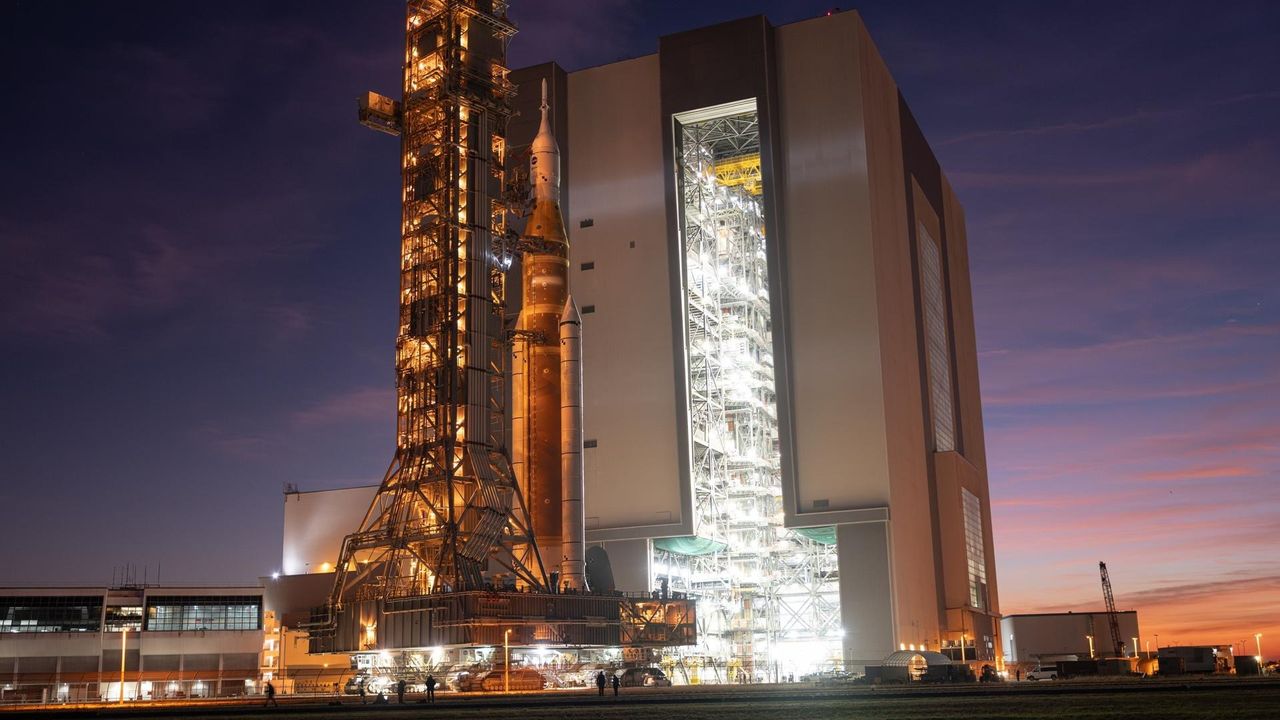
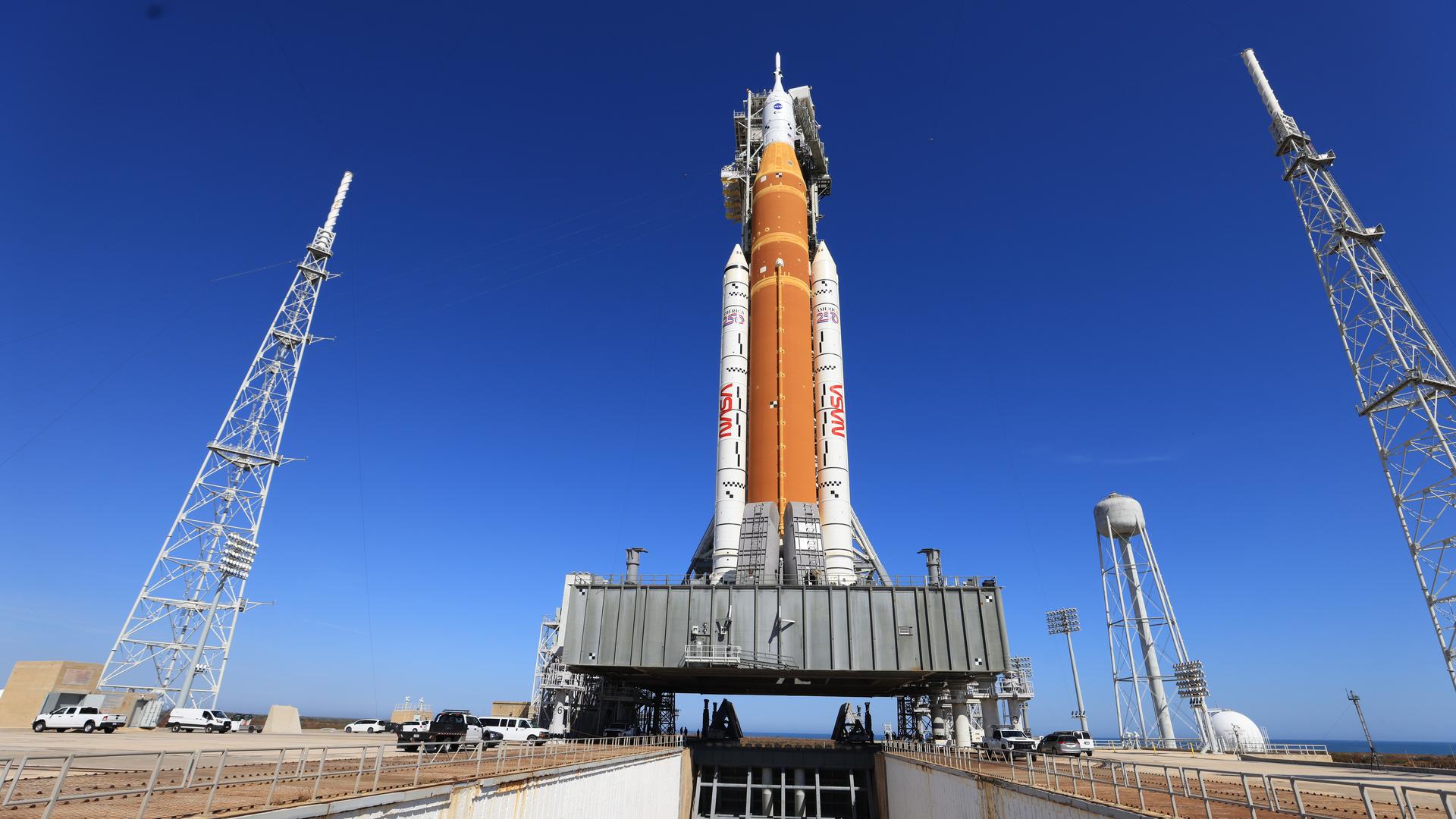
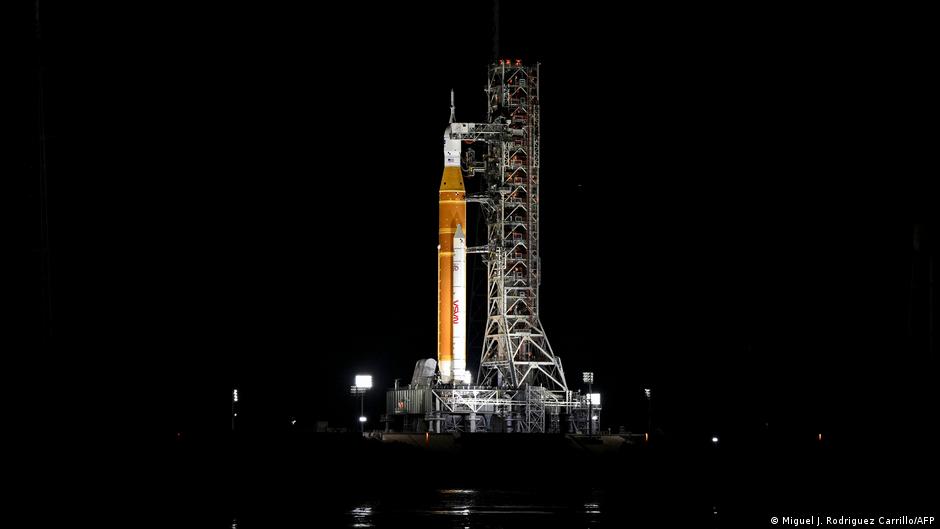
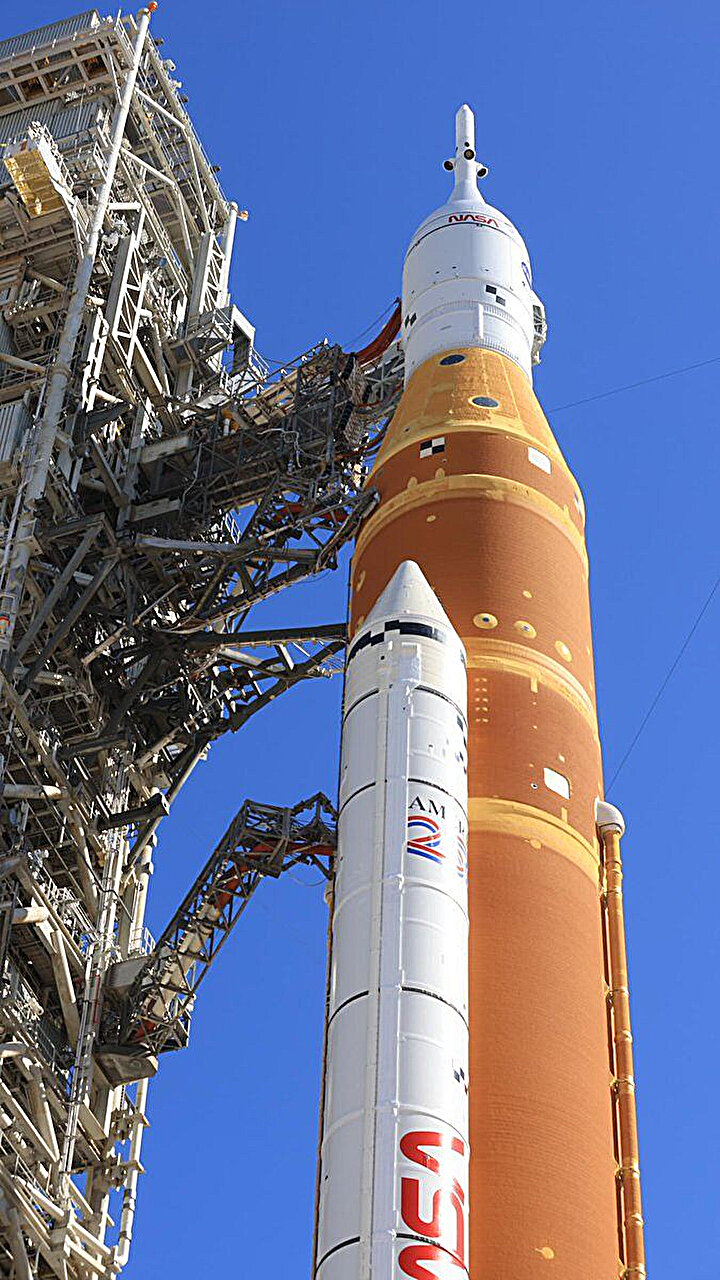
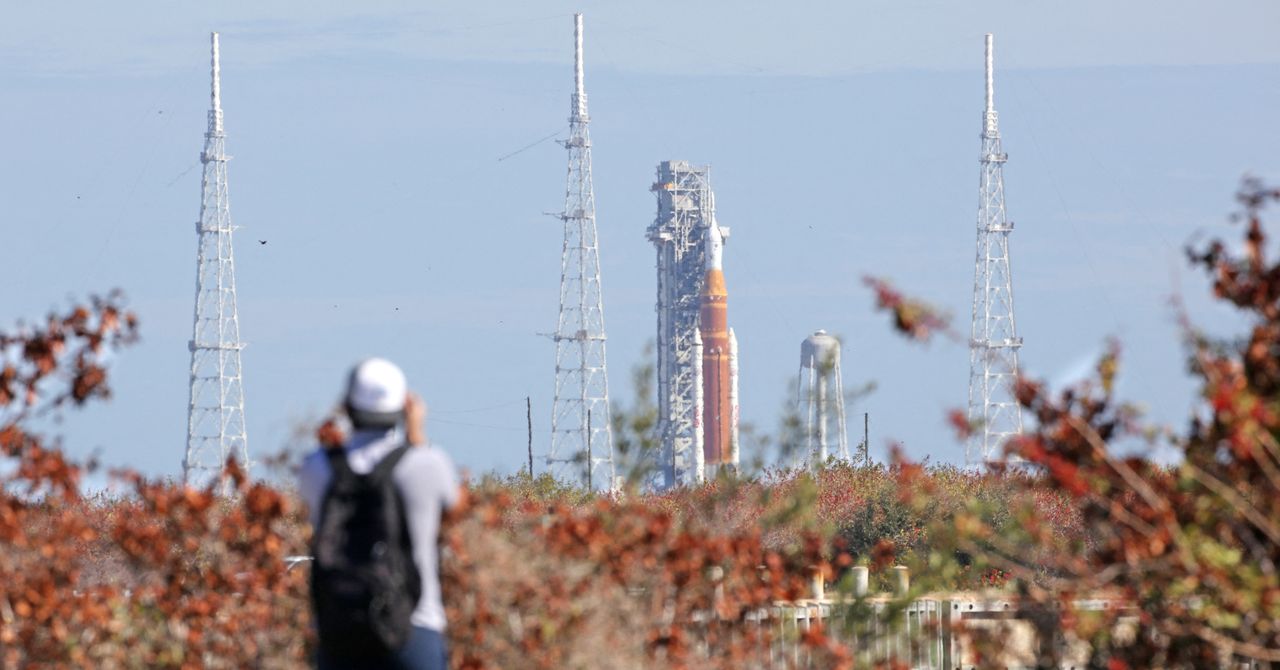
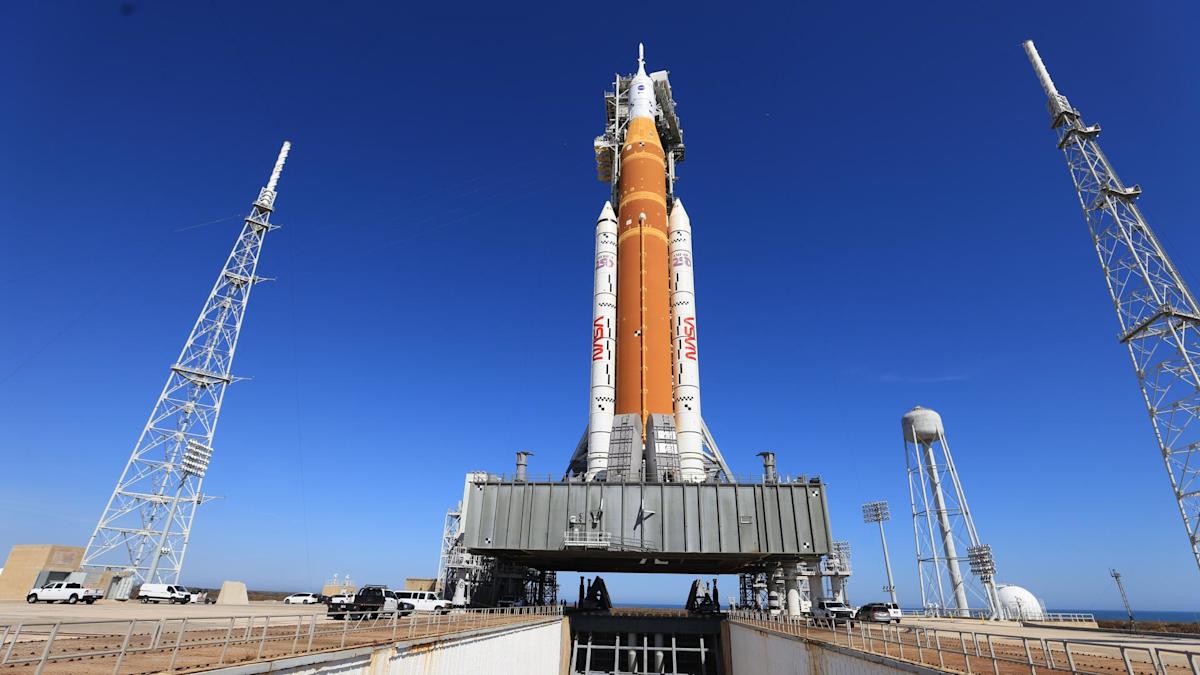
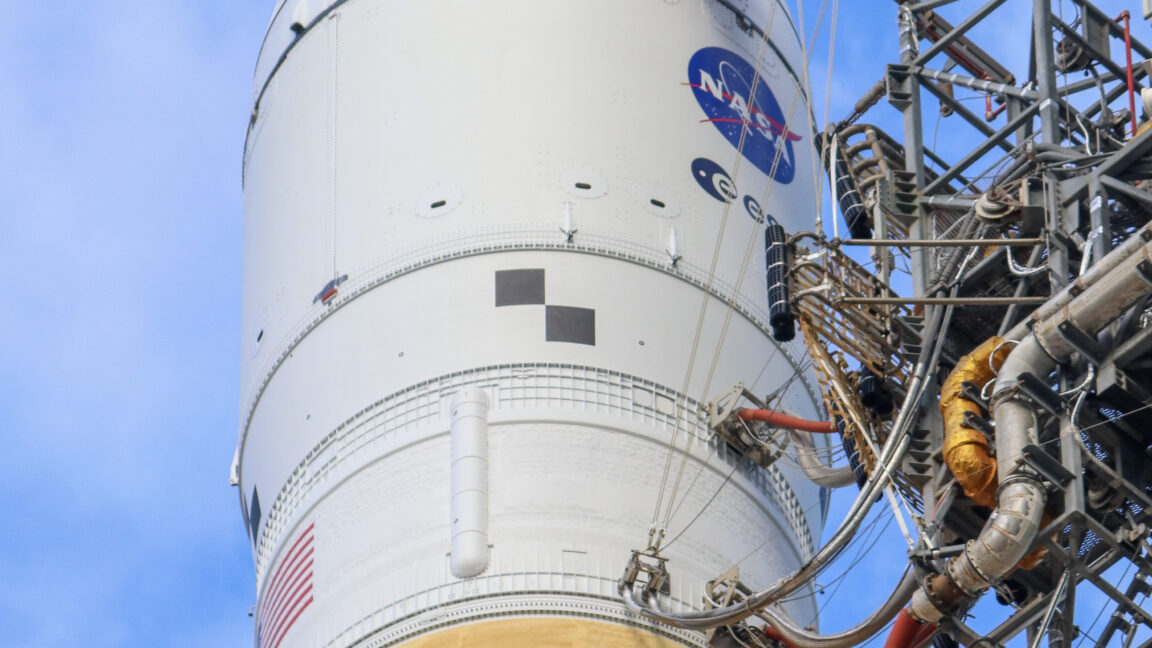
NASA's Artemis II lunar mission, which is intended to be the first crewed mission to go beyond low Earth orbit since Apollo 17 in 1972, was initially targeted for launch on March 6, 2026. This announcement followed a successful countdown test that encountered few problems, as reported by SpaceNews and Space.com. However, on February 25, 2026, NASA decided to roll back the Artemis II rocket into the hangar for repairs due to a problem identified with the Space Launch System (SLS) upper stage, as noted by Universe Today. The specific issue relates to the fuel supply, although the exact source of the problem has not yet been determined. NASA's decision to return the rocket to the hangar was made just a day after announcing the March 6 launch date, indicating that the mission is now expected to remain grounded until at least April. The agency has not provided a detailed timeline for the necessary repairs or when a new launch date might be established. The Artemis II mission is a crucial part of NASA's broader Artemis program, which aims to return humans to the lunar surface. The delay in the launch reflects ongoing challenges in the development and testing of the SLS, a critical component of the mission. NASA is focused on resolving the upper stage problem to ensure the safety and success of the upcoming lunar mission, as highlighted by Universe Today.
Advertisement
Cluster Activity
Lindy Score Breakdown (V4.2)
Story Timeline
- 2026-02-17
- 2026-02-18
- 2026-02-19
- 2026-02-20
- 2026-02-21NASA's Artemis II lunar mission may not launch in March after all (current)
- 2026-02-22
- 2026-02-23
- 2026-02-27
AnalysisRisk 10
Same Story from 11 sources

Breaking Similar stories
Anti-Lindy Similar stories