A trade war between Canada and the US further ruptures a once-close and durable alliance
AP News • 8/21/2026 – 8/23/2026

Summary
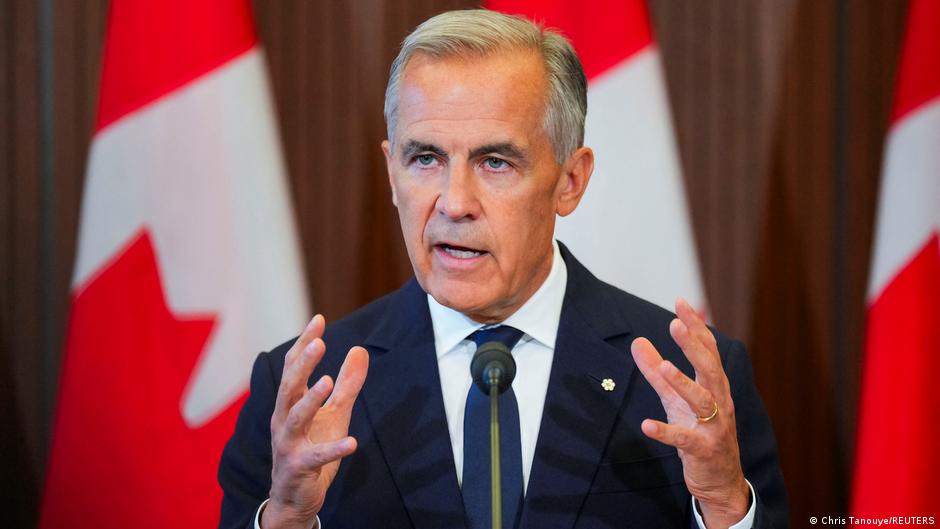
A trade war between Canada and the United States has escalated following the collapse of negotiations on August 21 in Washington. The U.S. has imposed new tariffs of 50% on approximately $20 billion worth of Canadian goods, which represents about 5.5% of Canadian exports to the United States. This significant tariff increase marks a deepening rift in the historically close alliance between the two neighboring countries, as both sides engage in a blame game regarding the breakdown of talks. Canadian Prime Minister Mark Carney has publicly criticized the new U.S. tariffs, labeling them as "a miscalculation." The imposition of these tariffs has led to heightened tensions, with both nations facing economic repercussions. The trade conflict has raised concerns about the future of bilateral relations and the potential impact on various sectors reliant on cross-border trade. The situation reflects a broader trend of increasing protectionism and trade disputes that have characterized international relations in recent years. As the trade war unfolds, both Canada and the U.S. are likely to reassess their strategies and policies in response to the evolving economic landscape. The outcome of this trade conflict remains uncertain, with potential implications for businesses and consumers in both countries.
Advertisement
Cluster Activity
Lindy Score Breakdown (V4.2)
Story Timeline
- 2026-08-21
- 2026-08-22A trade war between Canada and the US further ruptures a once-close and durable alliance (current)
Score BreakdownRisk 30
Stories gain Lindy status through source reputation, network consensus, and time survival.
Same Story from 11 sources



Breaking Similar stories





Anti-Lindy Similar stories