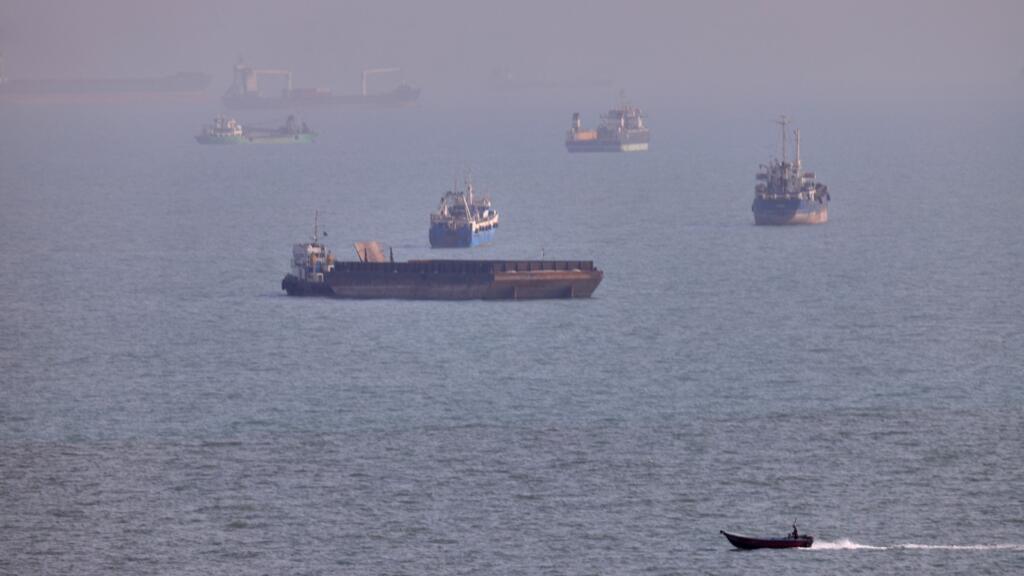
Big drop in oil, gas and cargo ships crossing Strait of Hormuz after new strikes
BBC • 7/8/2026 – 7/9/2026
Summary
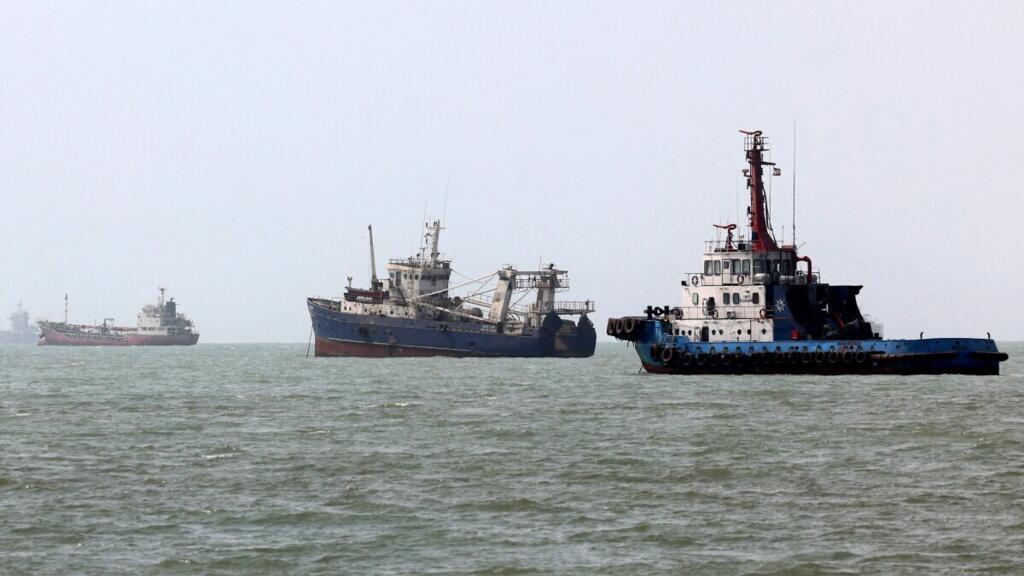
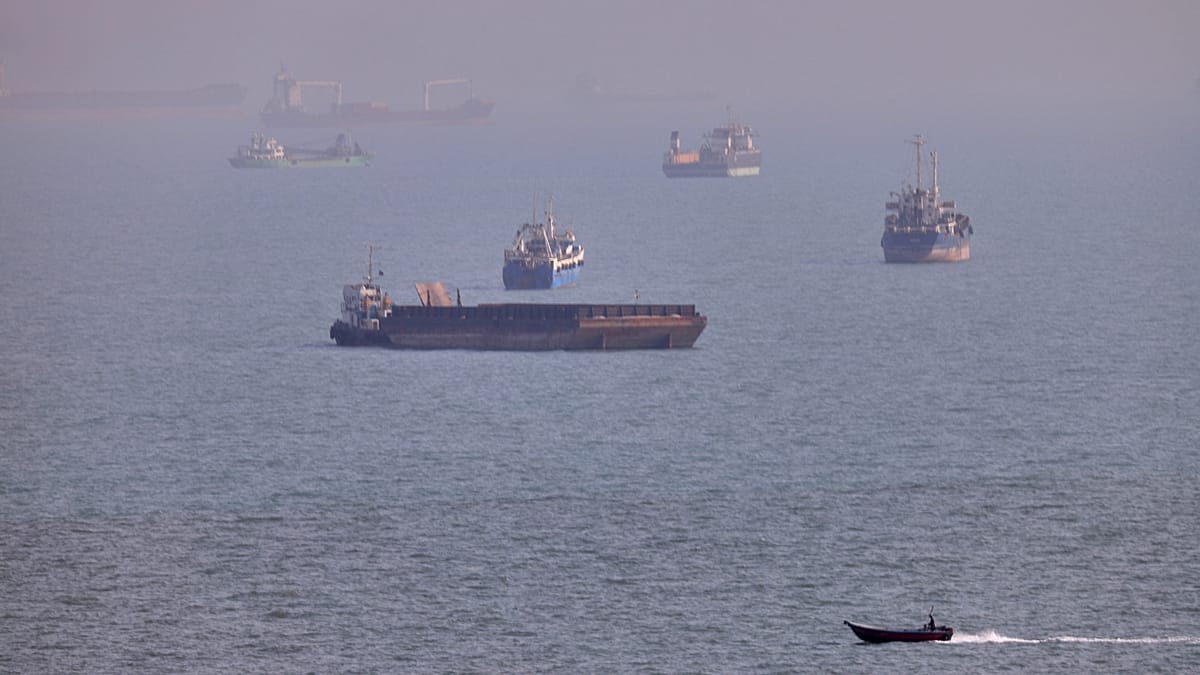
Shipping traffic through the Strait of Hormuz has experienced a significant decline following renewed strikes between the United States and Iran. Data from maritime analytics firm Kpler indicates that vessel crossings fell sharply, with only six commodity tankers passing through the strait on Thursday, a drastic drop from 21 vessels that transited the previous day. This decline marks a 77 percent decrease in traffic day-on-day and raises safety concerns for vessels navigating the region. The situation has particularly worsened through the UN-backed Omani route, which has seen a notable reduction in maritime activity. The recent attacks on vessels have prompted some oil and gas tankers to reverse their course, with reports confirming that four tankers turned back after the incidents. The only day with lower traffic since the US-Iran truce was signed on June 17 occurred on June 28, when just 19 ships crossed the strait following an attack on a tanker off Oman. Andrew Wilson, head of research at BRS shipbrokers, stated that they expect only "ebbs and flows" of traffic through Hormuz "almost until the end of the year." Since June 17, over 500 ships have passed through the strait, but many remain stuck, highlighting ongoing challenges faced by maritime traffic in the region. The fragile state of the truce between the US and Iran continues to jeopardize the safety of shipping routes, as military actions and threats persist. The situation reflects the complex dynamics affecting shipping in the area, with operators closely monitoring traffic volumes and any diplomatic developments that could reshape risk across regional shipping lanes.
Advertisement
Cluster Activity
Lindy Score Breakdown (V4.2)
Story Timeline
- 2026-07-08
- 2026-07-09Big drop in oil, gas and cargo ships crossing Strait of Hormuz after new strikes (current)
- 2026-07-13
- 2026-07-14
- 2026-07-31
- 2026-08-08
- 2026-08-09
- 2026-08-10
AnalysisRisk 10
Same Story from 11 sources








Breaking Similar stories




Anti-Lindy Similar stories