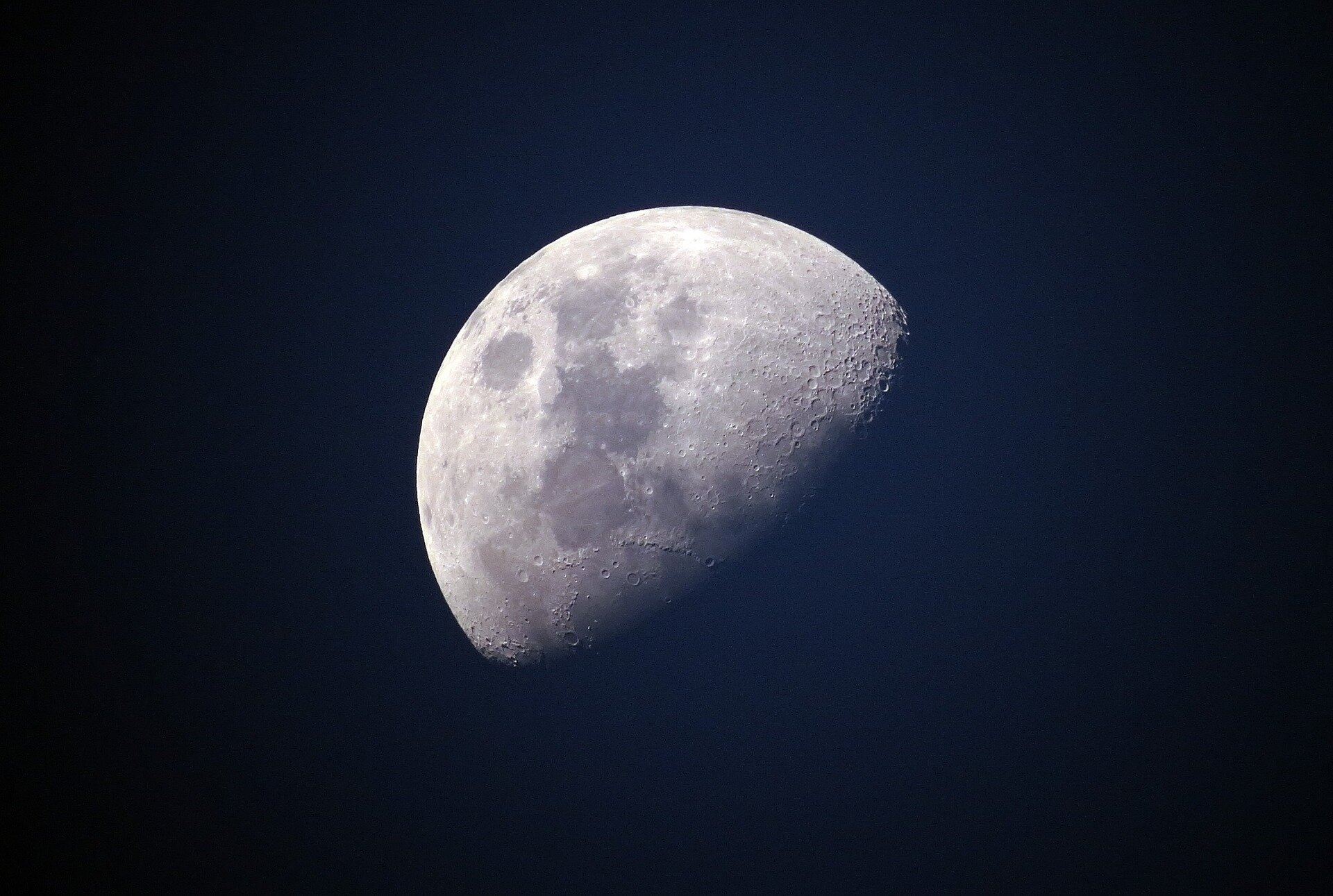
Neutron scans reveal hidden water in famous martian meteorite
Phys.org • 2/4/2026
Summary
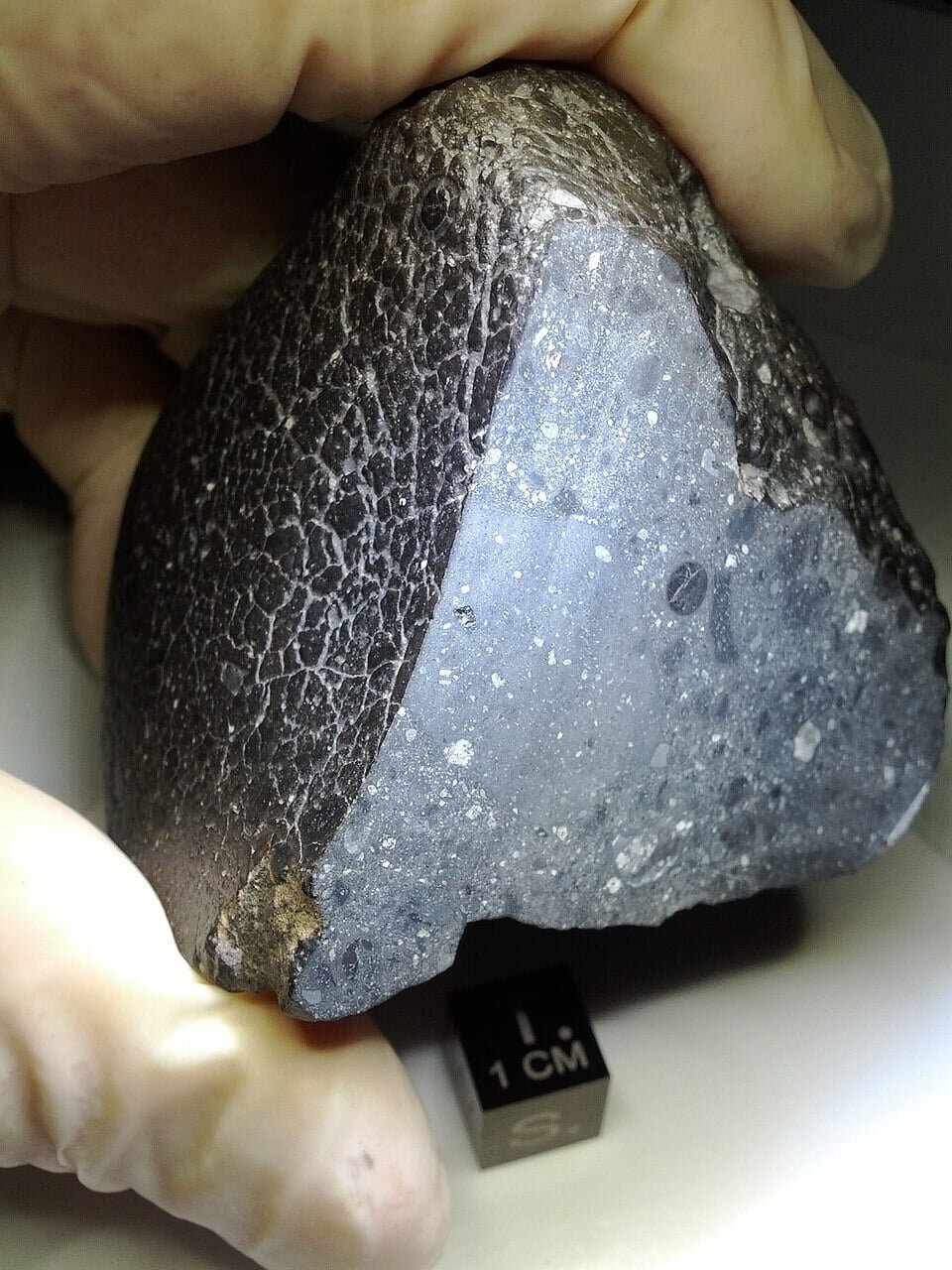
A recent study led by Estrid Naver from the Technical University of Denmark has utilized advanced non-destructive scanning technology to investigate the Martian meteorite NWA 7034, commonly referred to as Black Beauty. This research, published on the arXiv preprint server, reveals the presence of previously undetected water within the meteorite, enhancing our understanding of Martian geology and the history of water on the planet. The significance of this discovery lies in its implications for planetary science and our comprehension of Mars. The use of innovative scanning techniques showcases the evolution of scientific tools that allow researchers to explore and analyze extraterrestrial materials without causing damage. This aligns with a broader trend in science where advancements in technology lead to new insights, particularly in the field of astrobiology and planetary exploration. The ongoing investigation of meteorites like Black Beauty not only enriches our knowledge of Mars but also contributes to the search for life beyond Earth. As scientists continue to uncover the mysteries of Martian meteorites, the findings may reshape our understanding of the planet's past and its potential for harboring life, ensuring that this topic remains relevant in both scientific discourse and public interest.
Advertisement
Lindy Score Breakdown (V4.2)
Story Timeline
- 2026-02-04Neutron scans reveal hidden water in famous martian meteorite (current)
Score BreakdownRisk 35
Stories gain Lindy status through source reputation, network consensus, and time survival.
Same Story from 2 sources

Breaking Similar stories







Anti-Lindy Similar stories