NASA adds mission to Artemis lunar program, updates architecture
Phys.org • 2/27/2026 – 3/2/2026
Summary
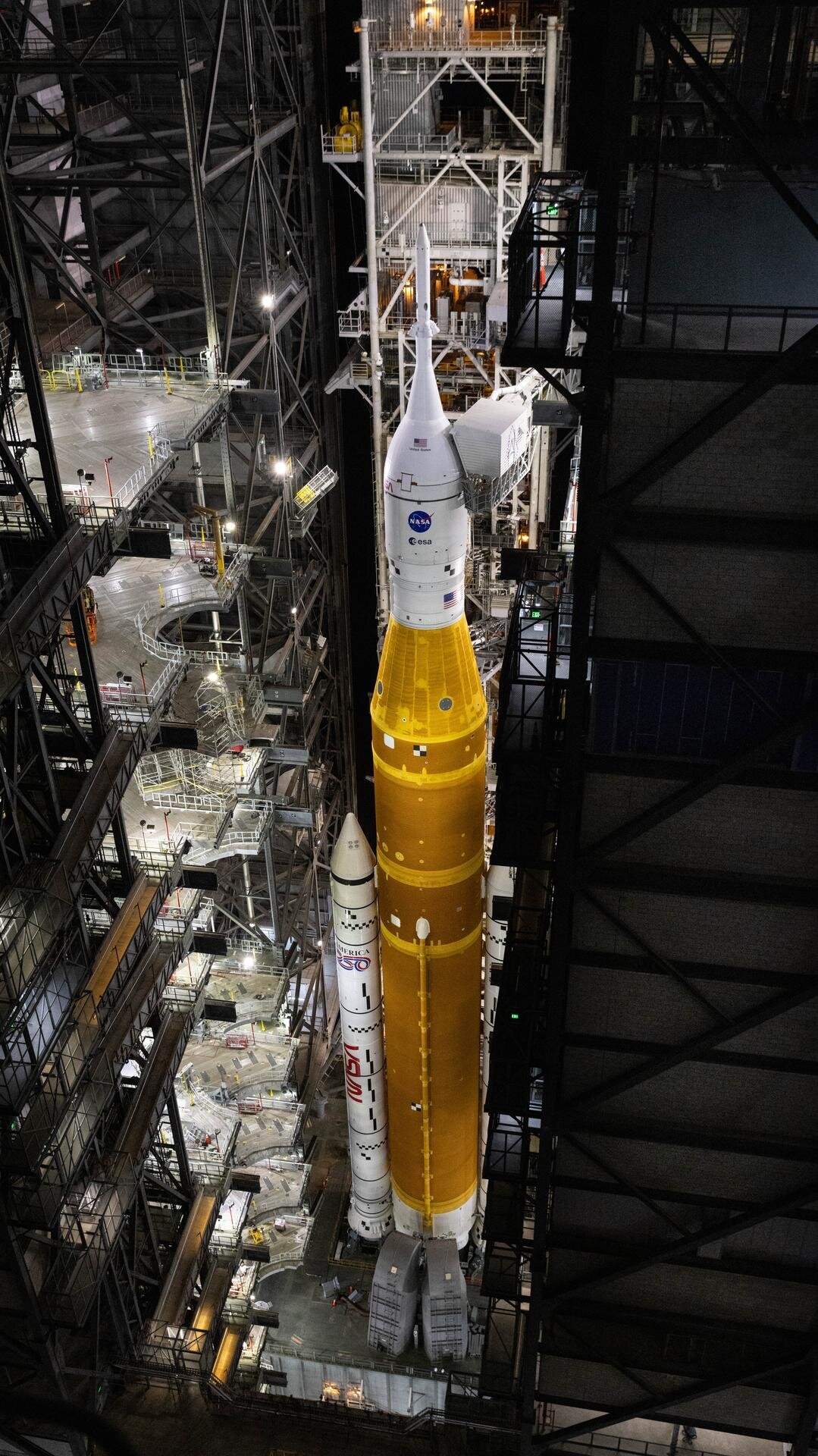
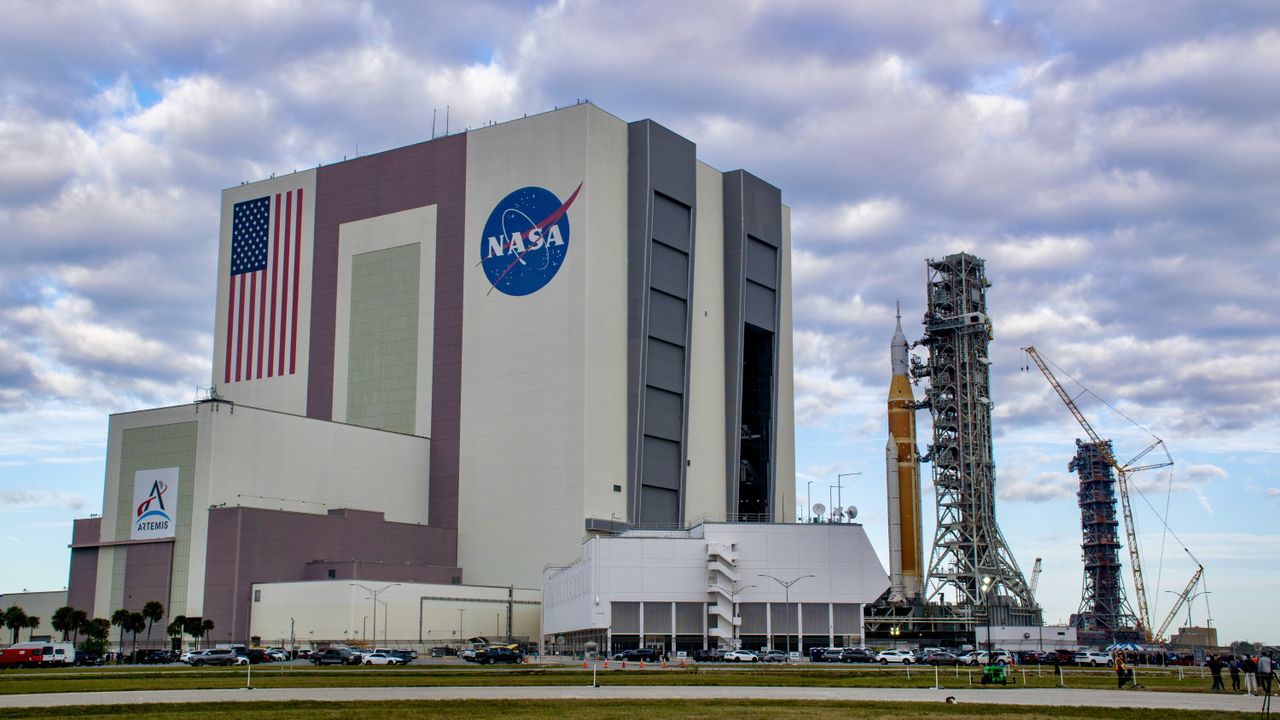
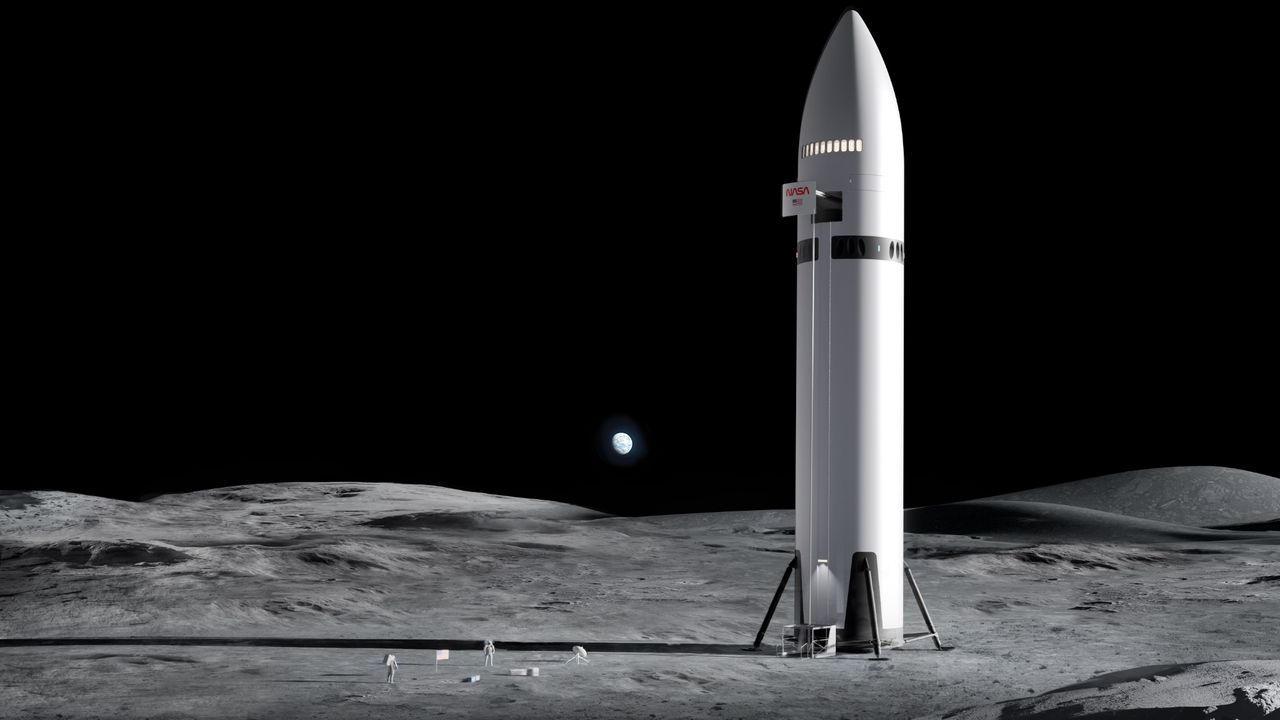
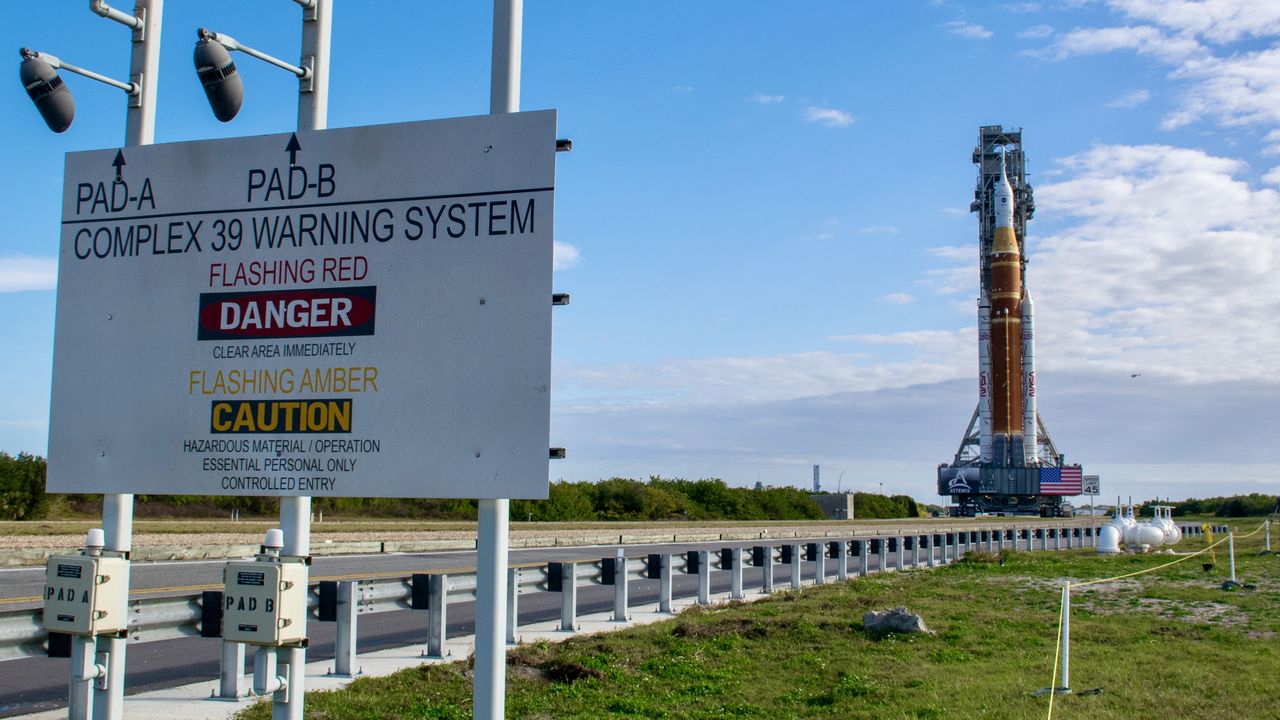
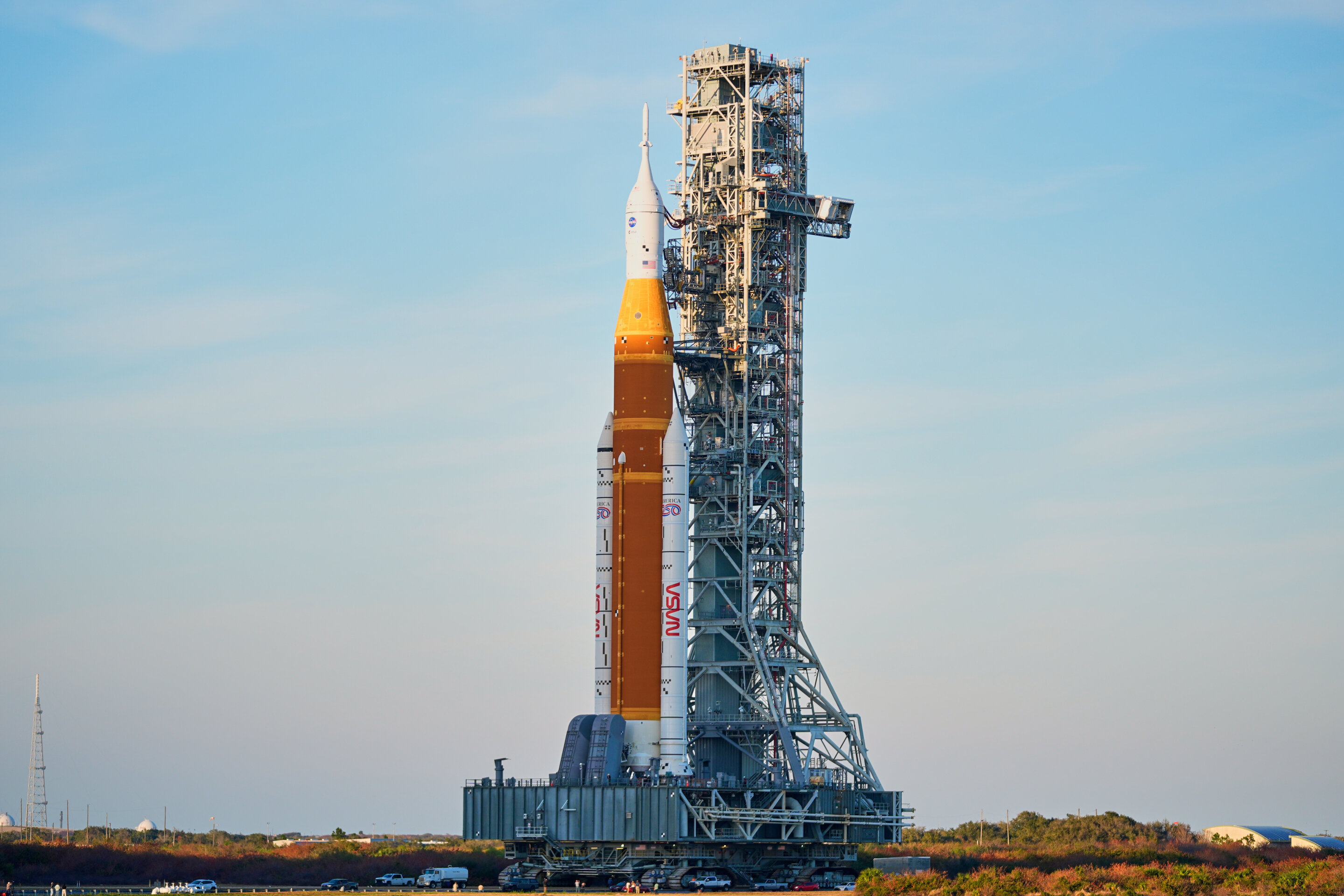
NASA announced on Friday that it is restructuring its Artemis lunar program to increase the frequency of missions aimed at returning American astronauts to the Moon and establishing a sustained presence there. As part of this update, NASA will standardize vehicle configurations and add an additional mission in 2027. The agency plans to undertake at least one surface landing every year following this new mission (NASA). The changes to the Artemis program include a significant shift in the timeline for lunar landings. The Artemis III mission, originally scheduled for 2027 to attempt a Moon landing, will now serve as a test flight instead. This test will focus on commercial lunar landers from SpaceX and/or Blue Origin and will also involve testing a new spacesuit developed by Axiom Space. The actual Moon landing is now slated for Artemis IV, which is scheduled for 2028 (Engadget, The Verge). In addition to the mission adjustments, NASA is facing challenges related to delays and cost overruns. The agency has decided to cancel a multibillion-dollar upgrade to the Space Launch System (SLS) rocket, which was a key component of the Artemis program. This decision reflects the need to streamline operations and address safety concerns highlighted by NASA's Aerospace Safety Advisory Panel (ASAP) (South China Morning Post, Space.com). Overall, NASA's revised approach aims to enhance the safety and efficiency of its lunar missions while maintaining the goal of returning humans to the Moon by 2028. The agency's commitment to increasing the cadence of missions underscores its ambition to enter a new era of space exploration (NASA).
Advertisement
Cluster Activity
Lindy Score Breakdown (V4.2)
Story Timeline
- 2026-02-27
- 2026-02-28
- 2026-03-02NASA adds mission to Artemis lunar program, updates architecture (current)
- 2026-03-04
- 2026-03-06
- 2026-04-28
Score BreakdownRisk 25
Stories gain Lindy status through source reputation, network consensus, and time survival.
Same Story from 11 sources






Breaking Similar stories






Anti-Lindy Similar stories