Strategic Adaptation and Iteration in Complex Projects
The news cluster illustrates how a large, complex organization like NASA must strategically adapt its plans and iterate on its approach when faced with unforeseen challenges, safety concerns, and cost overruns. Despite an initial timeline, the agency is delaying a critical milestone (crewed lunar landing) to introduce an additional test mission, cancel problematic upgrades, and standardize procedures. This pragmatic re-evaluation prioritizes risk mitigation, safety, and a more sustainable long-term presence over rigid adherence to the original schedule, demonstrating the necessity of flexibility and learning in high-stakes endeavors.
Strategic Adaptation and Iteration in Complex Projects: A Lindy Legacy
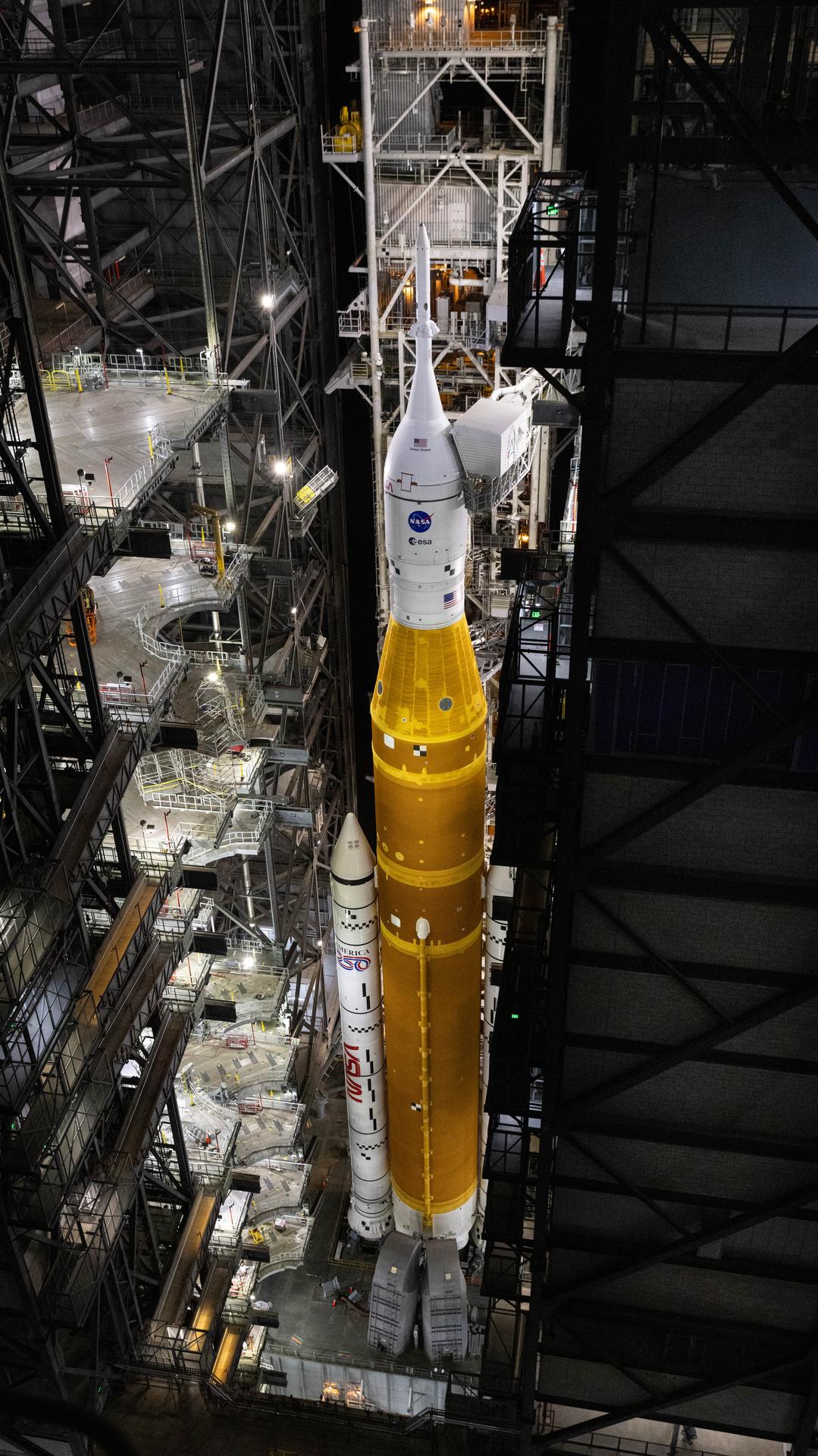
The recent news from NASA regarding the Artemis program offers a fascinating glimpse into the enduring wisdom of strategic adaptation, a principle that echoes through the corridors of history with a distinctly Lindy cadence. When a project as monumental as returning humans to the Moon, and establishing a sustained presence there, faces unforeseen challenges—safety concerns, cost overruns, technological hurdles—the temptation for rigid adherence to original plans can be immense. Yet, NASA's pragmatic re-evaluation, introducing an additional test mission, cancelling problematic upgrades, and standardizing procedures, speaks to a deeper, more resilient approach: one that prioritizes risk mitigation and long-term sustainability over a slavish devotion to an initial timeline.
The Lindy Effect, famously popularized by Nassim Nicholas Taleb, posits that for certain non-perishable things—ideas, technologies, methodologies—every additional day of their existence suggests a longer remaining life expectancy. What NASA is demonstrating is not merely a course correction, but an embrace of a Lindy-tested methodology for complex endeavors: the strategy of continuous adaptation and iteration. This isn't a newfangled management fad; it's a profound recognition that for anything truly grand and long-lasting, the path forward is rarely a straight line drawn on a pristine blueprint. Rather, it's a winding trail forged through persistent learning, recalibration, and the courage to retreat strategically when necessary.
Consider the construction of Europe's great cathedrals. These were not projects designed and executed in a single generation, nor even by a single school of thought. Chartres, Notre Dame, Canterbury—these magnificent structures often took centuries to complete, spanning multiple architectural styles, engineering innovations, and even catastrophic failures (like fires or collapses) that demanded fundamental redesigns. Early builders learned from their predecessors' successes and mistakes, iterating on flying buttresses, vaulting techniques, and stained-glass artistry. Plans were constantly revised, materials adapted, and new solutions engineered on the fly, often in response to unforeseen structural stresses or changing aesthetic tastes. Their very longevity is a testament to this iterative, adaptive process; had their builders been rigid, unwilling to learn and change, these stone giants would have crumbled long ago.

The Artemis program's current adjustments—delaying a crewed lunar landing to introduce an additional test mission, focusing on increasing flight rates rather than complex upgrades—are not signs of weakness, but of strength. They reflect an understanding that the most enduring achievements are those built upon a foundation of continuous learning and a willingness to iterate, even if it means sacrificing immediate gratification for a more robust, safer, and ultimately more successful future. Launching the Space Launch System every three and a half years, as one official noted, is indeed "not a recipe for success." A higher cadence, even with an initial delay, fosters the kind of iterative learning that builds institutional knowledge and operational excellence.
This recurring pattern across eras and cultures underscores a fundamental truth about complexity: it resists perfect foresight. Any project pushing the boundaries of human capability will inevitably encounter the unknown. The choice then becomes: break under the weight of rigidity, or bend and adapt, growing stronger with each iteration. Does a commitment to long-term vision inherently demand an embrace of short-term flexibility, or is there a point where strategic adaptation risks losing sight of the ultimate goal?