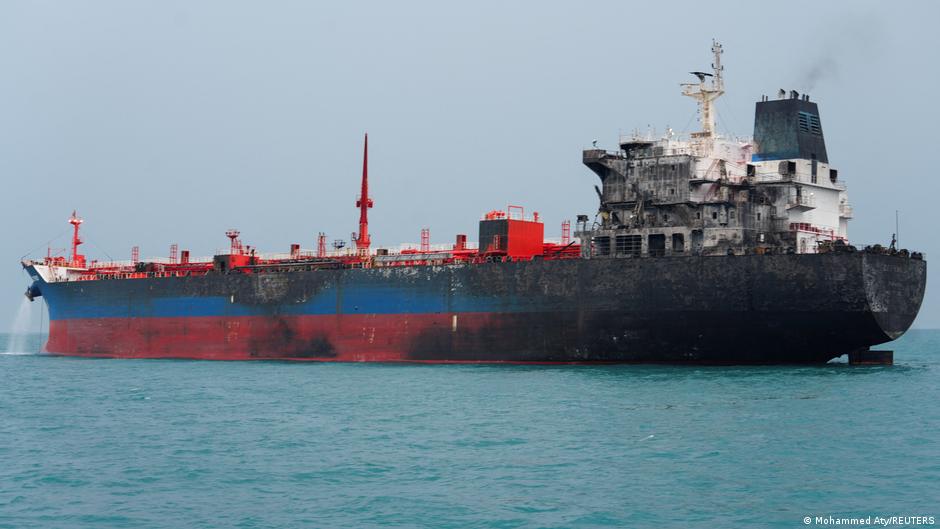
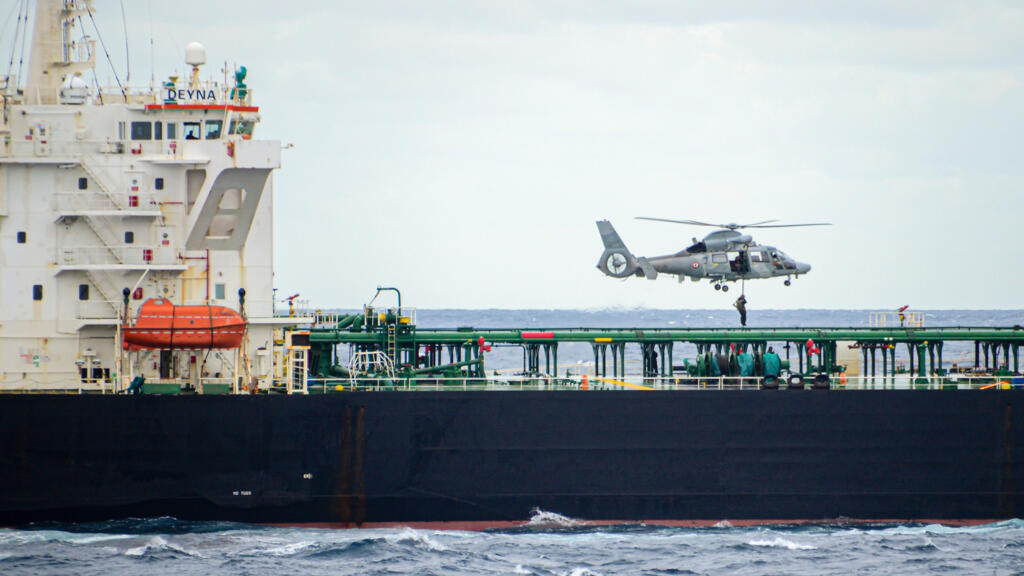
French navy intercepts suspected Russian ‘shadow fleet’ tanker in Mediterranean
The Guardian • 1/22/2026

Summary
The French navy recently intercepted a Russian oil tanker in the Mediterranean Sea, which is believed to be part of a network facilitating oil exports in violation of international sanctions. President Emmanuel Macron confirmed that the vessel was boarded and examined due to suspicions of operating under a false flag. This operation took place eight days ago and highlights ongoing tensions related to sanctions imposed on Russia. This incident underscores the persistent challenges of enforcing sanctions against Russia, particularly in the context of its oil exports. The concept of a "shadow fleet" reflects a broader trend where nations seek to circumvent economic restrictions through clandestine means, raising questions about the effectiveness of current sanctions. Historically, similar tactics have been employed during conflicts, revealing a pattern of evasion that often complicates international relations. The interception not only illustrates the ongoing geopolitical struggle but also emphasizes the importance of maritime security in upholding international law. As global energy markets remain intertwined with political dynamics, the implications of such actions will likely resonate beyond the immediate news cycle, affecting diplomatic relations and economic strategies worldwide.
Advertisement
Cluster Activity
Lindy Score Breakdown (V4.2)
Story Timeline
- 2026-01-22French navy intercepts suspected Russian ‘shadow fleet’ tanker in Mediterranean (current)
- 2026-01-23
AnalysisRisk 10
Same Story from 5 sources


Breaking Similar stories






Anti-Lindy Similar stories