Israel reopens Gaza's key Rafah border crossing with Egypt
BBC • 1/26/2026 – 2/2/2026
Summary
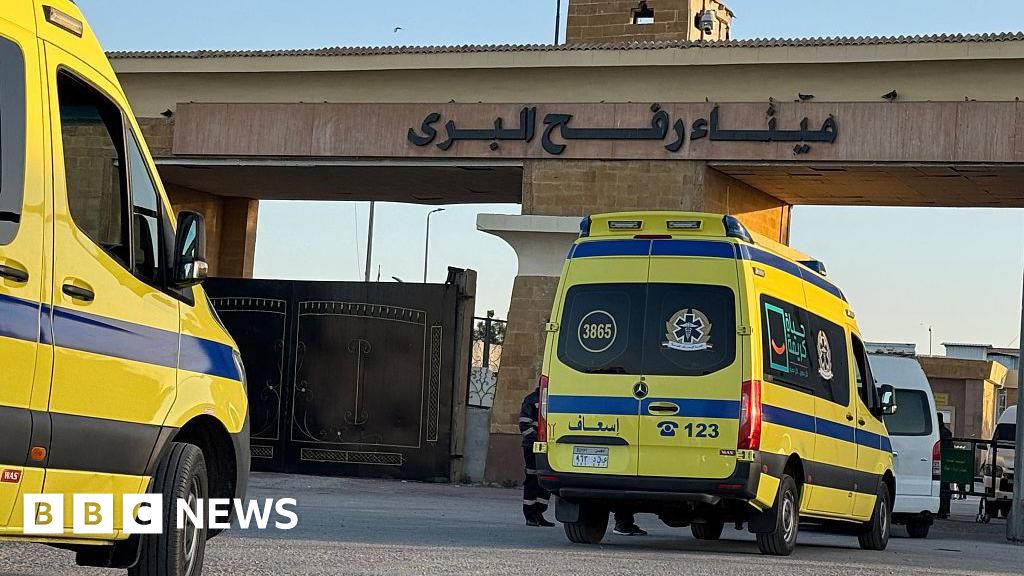
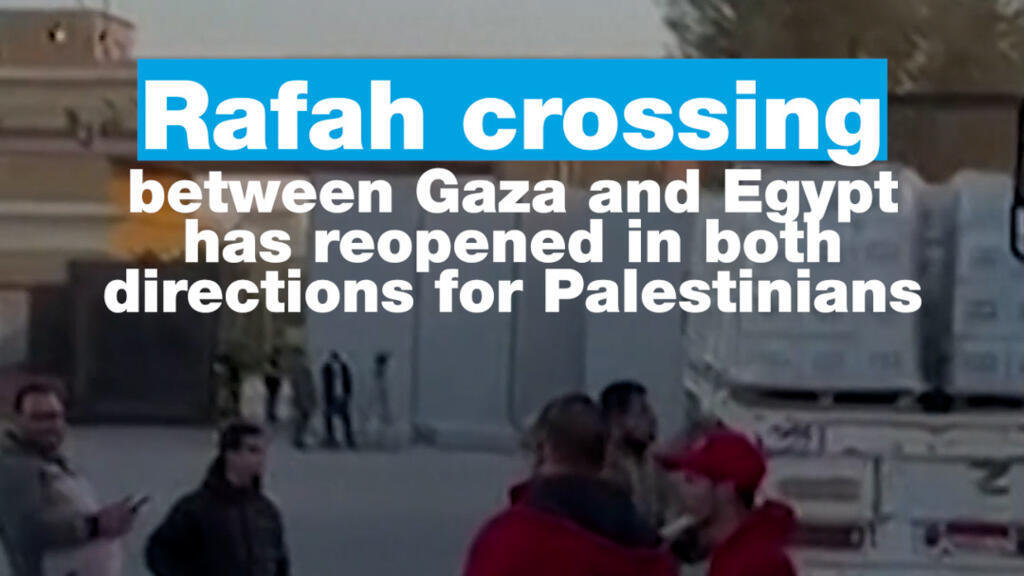
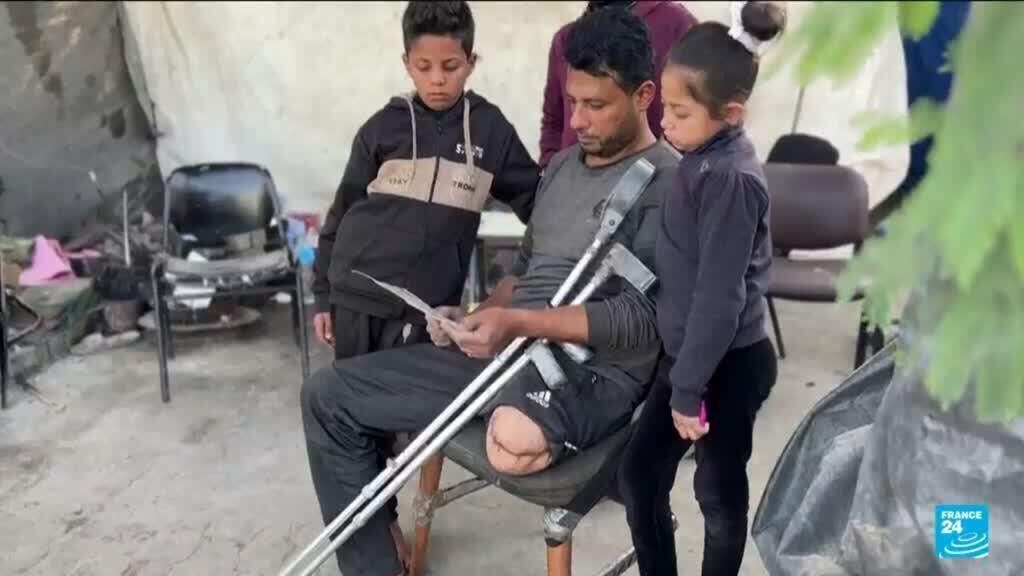
Israel has reopened the Rafah border crossing between Gaza and Egypt after nearly two years of closure. This reopening is part of a US-brokered ceasefire agreement and is expected to allow limited pedestrian crossings in both directions. The Israeli Ministry of Defence body, COGAT, confirmed that movement of individuals would commence on the designated day. On the first day of its reopening, only 12 Palestinians were reported to have entered Gaza, while five patients and their escorts were allowed to leave for Egypt. Approximately 20,000 people are currently waiting to leave Gaza for medical treatment, education, and aid, highlighting the urgent humanitarian needs in the region. The Rafah crossing has been under Israeli control since May 2024, a measure aimed at curbing Hamas's ability to smuggle weapons and isolating Gaza. Despite the reopening, access remains highly restricted, and humanitarian aid flows into Gaza continue to be extremely limited, with no indication of a significant increase in aid supplies. The reopening serves as a reminder of the ongoing humanitarian crisis in Gaza, where many individuals are in urgent need of medical evacuation and support. The decision to reopen the crossing follows the conclusion of the search for the last hostage killed during recent conflicts, as confirmed by the office of the Israeli Prime Minister. This development underscores the complex interplay between security concerns and humanitarian needs in the Israeli-Palestinian conflict. While the reopening may facilitate some movement and aid for those affected, it also highlights the fragile nature of peace efforts and the persistent challenges faced by both sides in achieving a lasting resolution.
Advertisement
Cluster Activity
Lindy Score Breakdown (V4.2)
Story Timeline
- 2026-01-26
- 2026-01-30
- 2026-02-01
- 2026-02-02Israel reopens Gaza's key Rafah border crossing with Egypt (current)
- 2026-02-03
- 2026-02-04
AnalysisRisk 10
Same Story from 11 sources






Breaking Similar stories
Anti-Lindy Similar stories