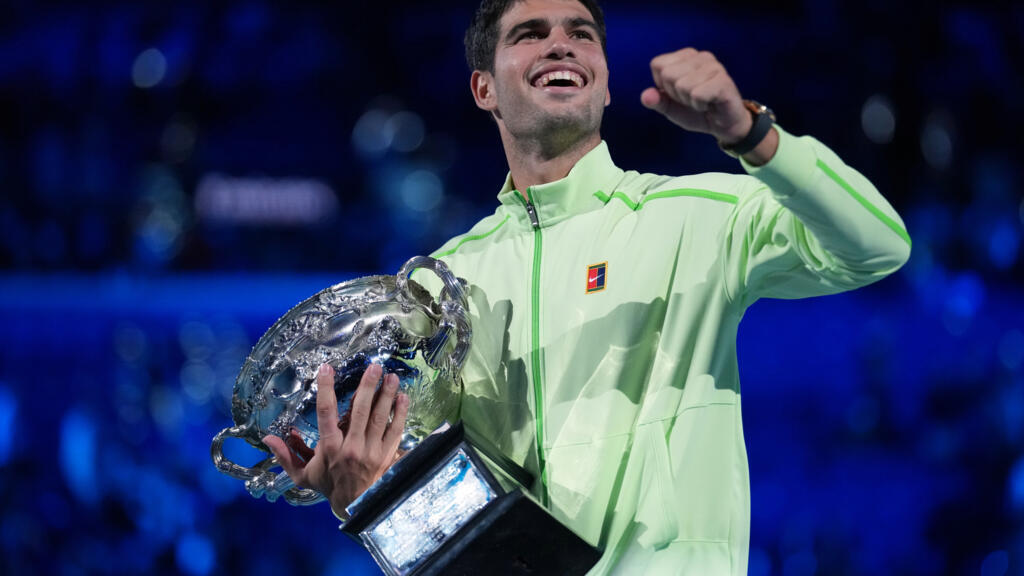
Carlos Alcaraz becomes youngest man ever to complete a career Grand Slam after winning Australian Open
Chicago Tribune • 1/30/2026 – 2/2/2026

Summary
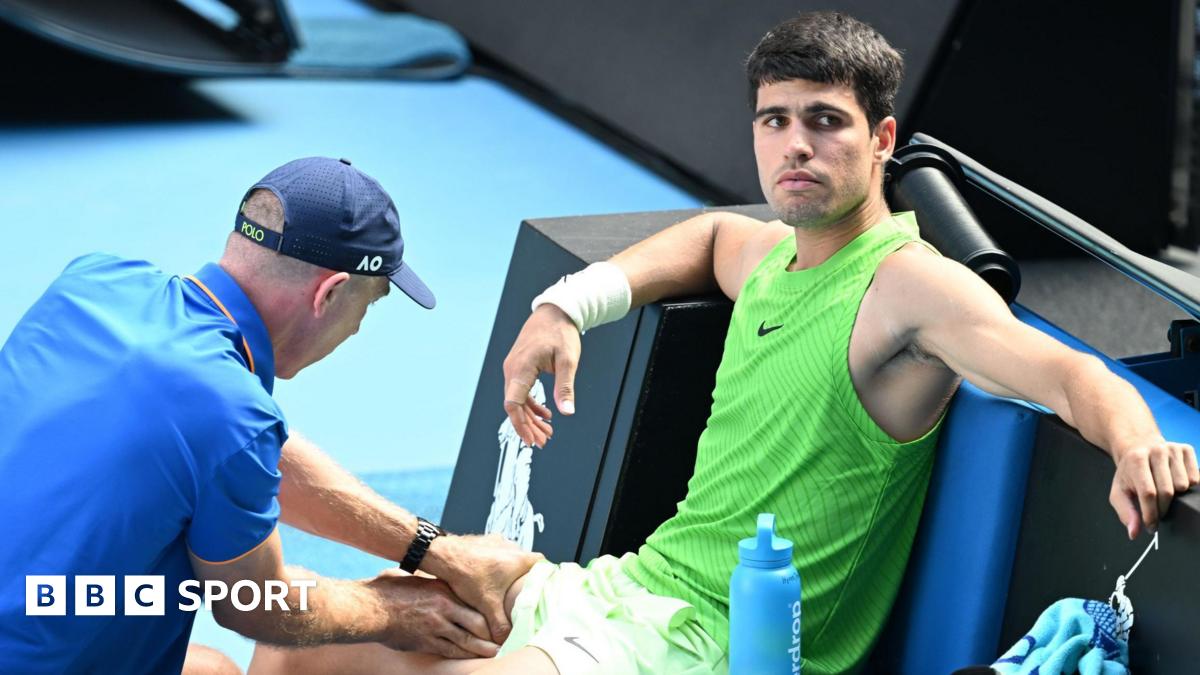
Carlos Alcaraz has made history by winning the Australian Open, defeating Novak Djokovic in the final. This victory marks a significant milestone in Alcaraz's career as he becomes the youngest player ever to complete a career Grand Slam by winning all four major titles. Alcaraz's win over Djokovic is particularly noteworthy as it ends Djokovic's streak of ten consecutive victories in Melbourne finals (Yahoo Sports, France24). Prior to reaching the final, Alcaraz faced Alexander Zverev in a challenging five-set semifinal match that lasted nearly five hours. This match was characterized by intense momentum shifts and showcased Alcaraz's resilience as he battled through physical cramps during the encounter. Zverev expressed frustration over Alcaraz's medical timeout for cramping, which added a layer of controversy to the match. Despite these challenges, Alcaraz emerged victorious, solidifying his status as a top contender in the tournament (BBC, Google News). Alcaraz's semifinal victory not only highlights his athletic prowess but also reflects the increasing physical demands placed on modern tennis players. His ability to withstand pressure in high-stakes matches aligns with a broader narrative of young athletes rising to prominence in the sport, challenging established players like Djokovic (The Athletic, Google News). This trend suggests a shift in the competitive landscape of tennis, with younger stars like Alcaraz reshaping the future of the game (France24). Alcaraz's achievement at the Australian Open is significant as it represents his first title at this Grand Slam event and underscores the evolution of the sport, where emerging talents are increasingly competing at elite levels against seasoned champions. His journey through the tournament exemplifies the depth of talent in the current generation of tennis players, indicating a potential shift in dominance from long-standing legends to a new wave of competitors (BBC, Yahoo Sports).
Advertisement
Cluster Activity
Lindy Score Breakdown (V4.2)
Story Timeline
- 2026-01-30
- 2026-02-01Carlos Alcaraz becomes youngest man ever to complete a career Grand Slam after winning Australian Open (current)
- 2026-02-02
Score BreakdownRisk 25
Stories gain Lindy status through source reputation, network consensus, and time survival.
Same Story from 11 sources



Breaking Similar stories
Anti-Lindy Similar stories