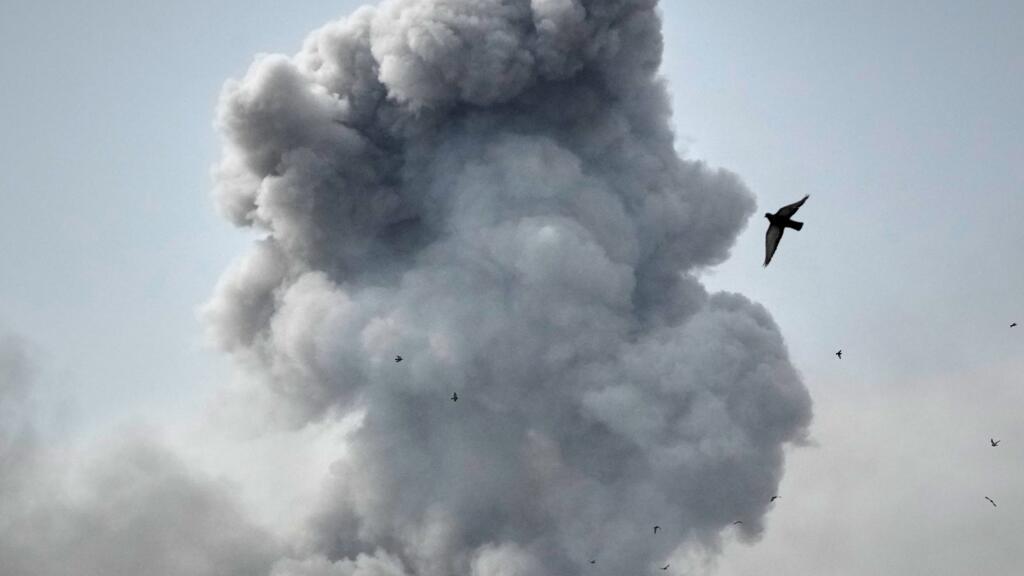
Iran war set to test the limits of Asia's energy resilience
Nikkei Asia • 3/5/2026 – 3/6/2026

Summary
The ongoing conflict in Iran is poised to significantly impact Asia's energy resilience, particularly affecting the region's top energy importers. As tensions escalate, countries heavily reliant on Iranian oil and gas are bracing for potential disruptions in supply. The crisis has raised concerns about the stability of energy markets in Asia, which could face increased volatility as a result of the conflict. Asian nations, including major importers, are closely monitoring the situation as they depend on Iran for a substantial portion of their energy needs. The potential for sanctions or military actions could lead to a decrease in oil exports from Iran, which would have a ripple effect on energy prices and availability across the continent. This scenario underscores the vulnerability of Asia's energy infrastructure and the challenges it faces in maintaining supply security amid geopolitical tensions. Furthermore, the crisis highlights the interconnectedness of global energy markets, where disruptions in one region can have far-reaching consequences. As Asian economies continue to grow and their energy demands increase, the ability to navigate such crises will be critical. The situation in Iran serves as a test of resilience for these nations, prompting them to consider alternative energy sources and strategies to mitigate risks associated with reliance on a single supplier.
Advertisement
Lindy Score Breakdown (V4.2)
Story Timeline
- 2026-03-05Iran war set to test the limits of Asia's energy resilience (current)
Score BreakdownRisk 65
Stories gain Lindy status through source reputation, network consensus, and time survival.
Same Story from 2 sources
Related Stories


Breaking Similar stories





Anti-Lindy Similar stories