Mamdani Fills 2 Top Posts With Government Veteran and Trusted Aide
The New York Times • 10/12/2025 – 11/10/2025

Summary
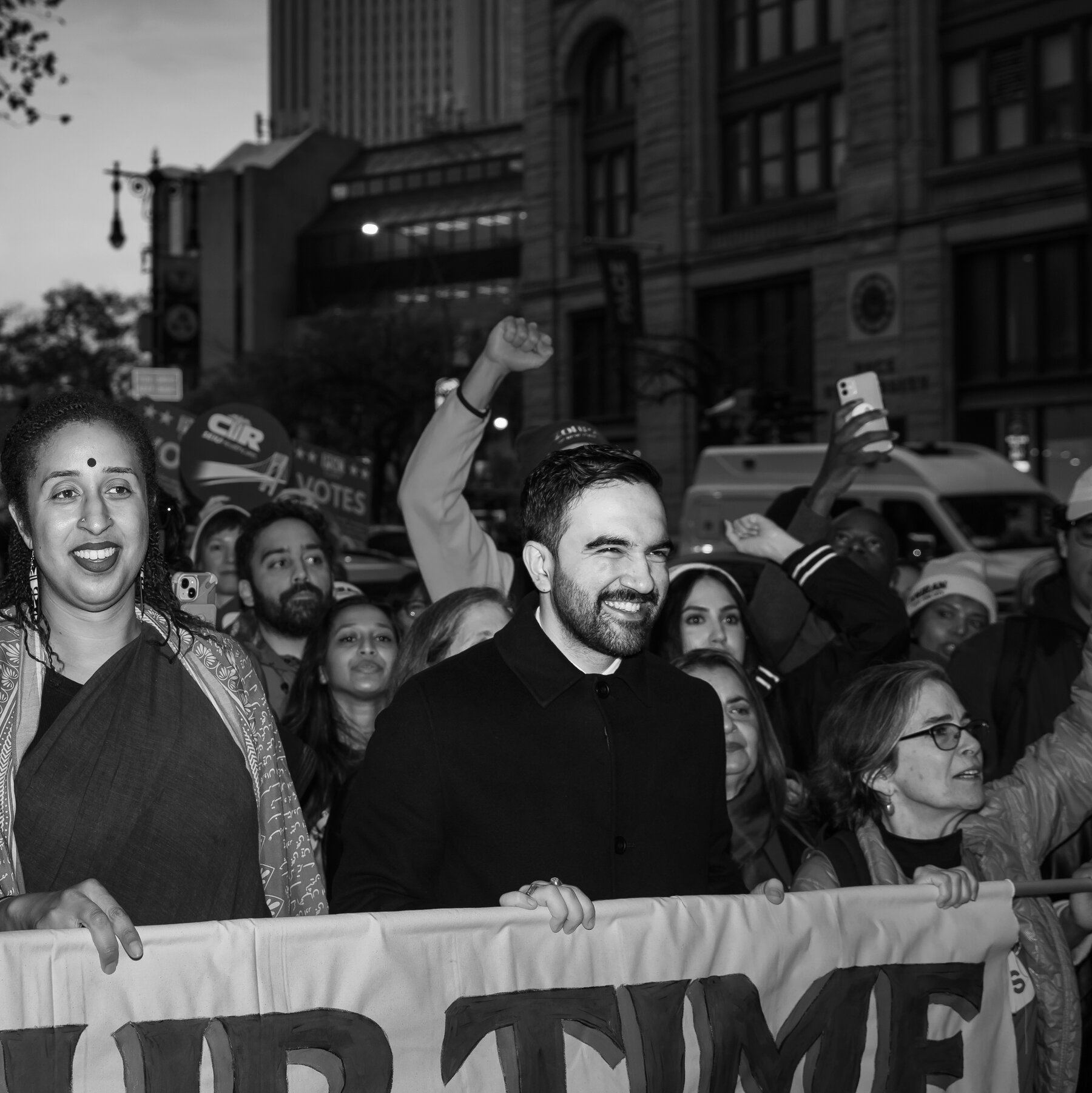
Zohran Mamdani, a 34-year-old assemblyman, has won the Democratic primary and secured the mayoralty of New York City in the election held on November 4. His victory marks a significant shift in the political landscape of the city, drawing intense reactions both domestically and internationally. A right-wing lawmaker in Israel expressed concern over Mamdani's win, stating, “The Big Apple has fallen,” while Palestinians celebrated the election as a transformative moment in the United States. Mamdani's campaign was characterized by his ability to challenge the city's powerful political establishment, which has traditionally dominated New York politics (The New York Times). Following his election, Mamdani appointed Dean Fuleihan, a former deputy mayor and budget director, as his first deputy mayor. Elle Bisgaard-Church will serve as his chief of staff (PRIMARY SOURCE). Mamdani's election raises questions regarding the control of New York City schools. He, along with the teachers’ union, has advocated for changes in mayoral control, contrasting with the views of former Governor Andrew M. Cuomo and some education leaders, who argue that such changes would be detrimental (The New York Times). Mamdani's campaign promises included sweeping reforms, and analysts suggest that he has the opportunity to build a positive legacy by focusing on tangible accomplishments during his tenure as mayor (The New York Times). His personal life has also garnered attention, particularly his wife, Rama Duwaji, who is set to become New York City's first lady before her 30th birthday. Duwaji is an accomplished artist whose work has been featured on the BBC and moved to the city to pursue her career, meeting Mamdani online (The New York Times; BBC). Mamdani's election represents a notable moment in New York City's history, reflecting broader societal changes and evolving political dynamics within the United States. His ability to challenge the establishment and advocate for significant reforms positions him as a transformative figure in the city's governance.
Advertisement
Cluster Activity
Lindy Score Breakdown (V4.2)
Story Timeline
- 2025-10-12
- 2025-10-17
- 2025-10-28
- 2025-11-01
- 2025-11-05
- 2025-11-06
- 2025-11-09
- 2025-11-10Mamdani Fills 2 Top Posts With Government Veteran and Trusted Aide (current)
AnalysisRisk 20
Same Story from 11 sources






Breaking Similar stories

Anti-Lindy Similar stories