Amid Flattened Homes, Jamaica Starts to Assess Hurricane Melissa’s Damage
The New York Times • 10/17/2025 – 10/30/2025
Summary
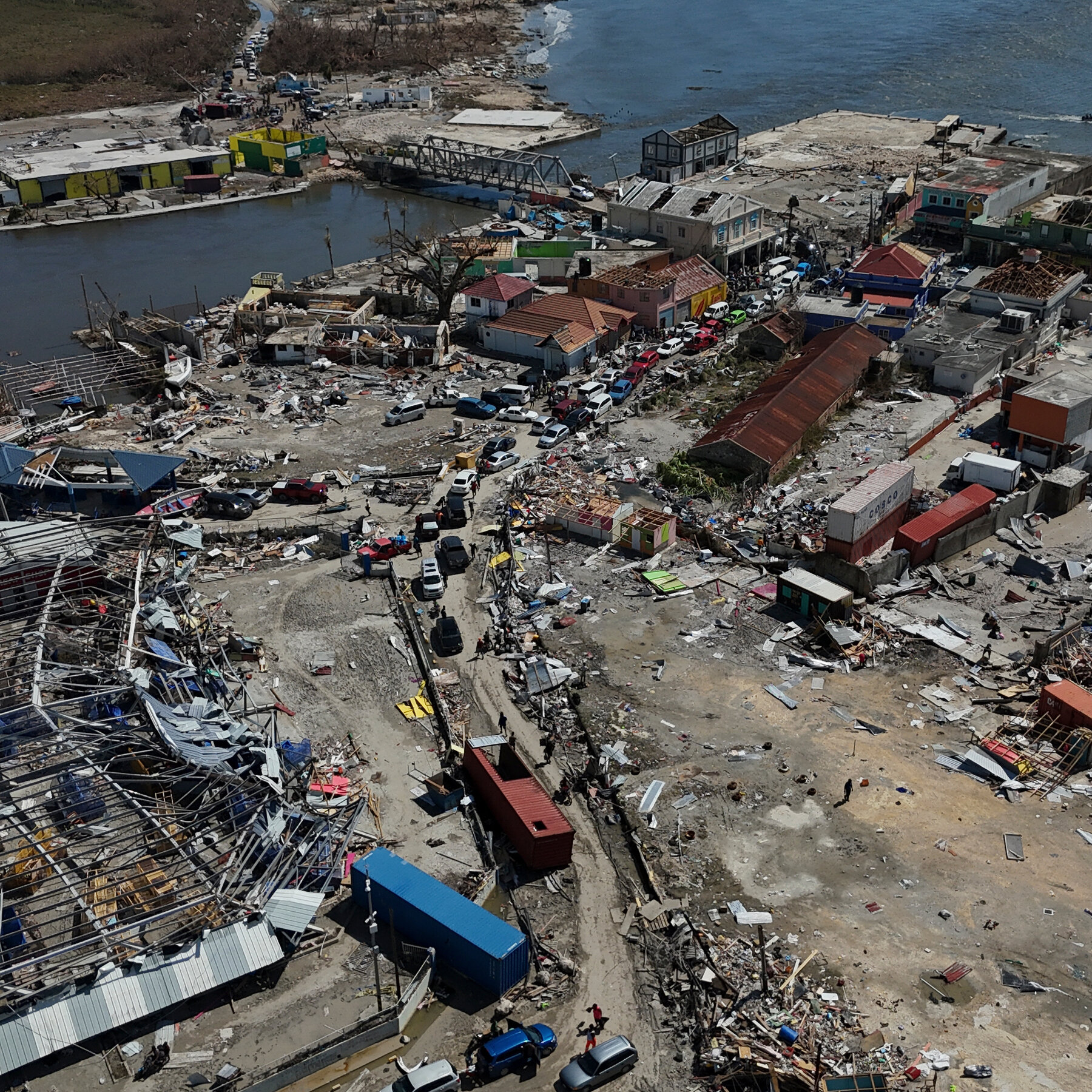
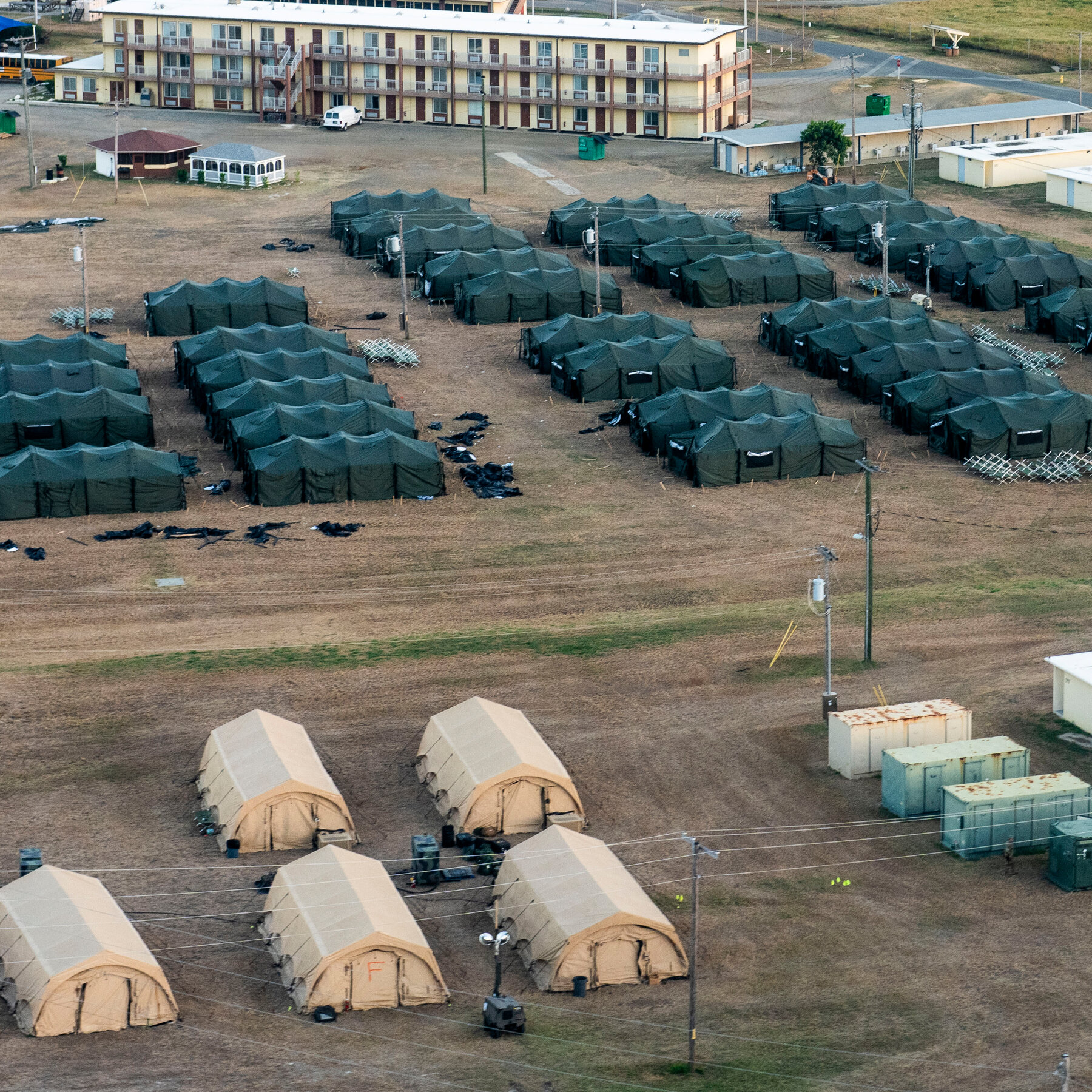
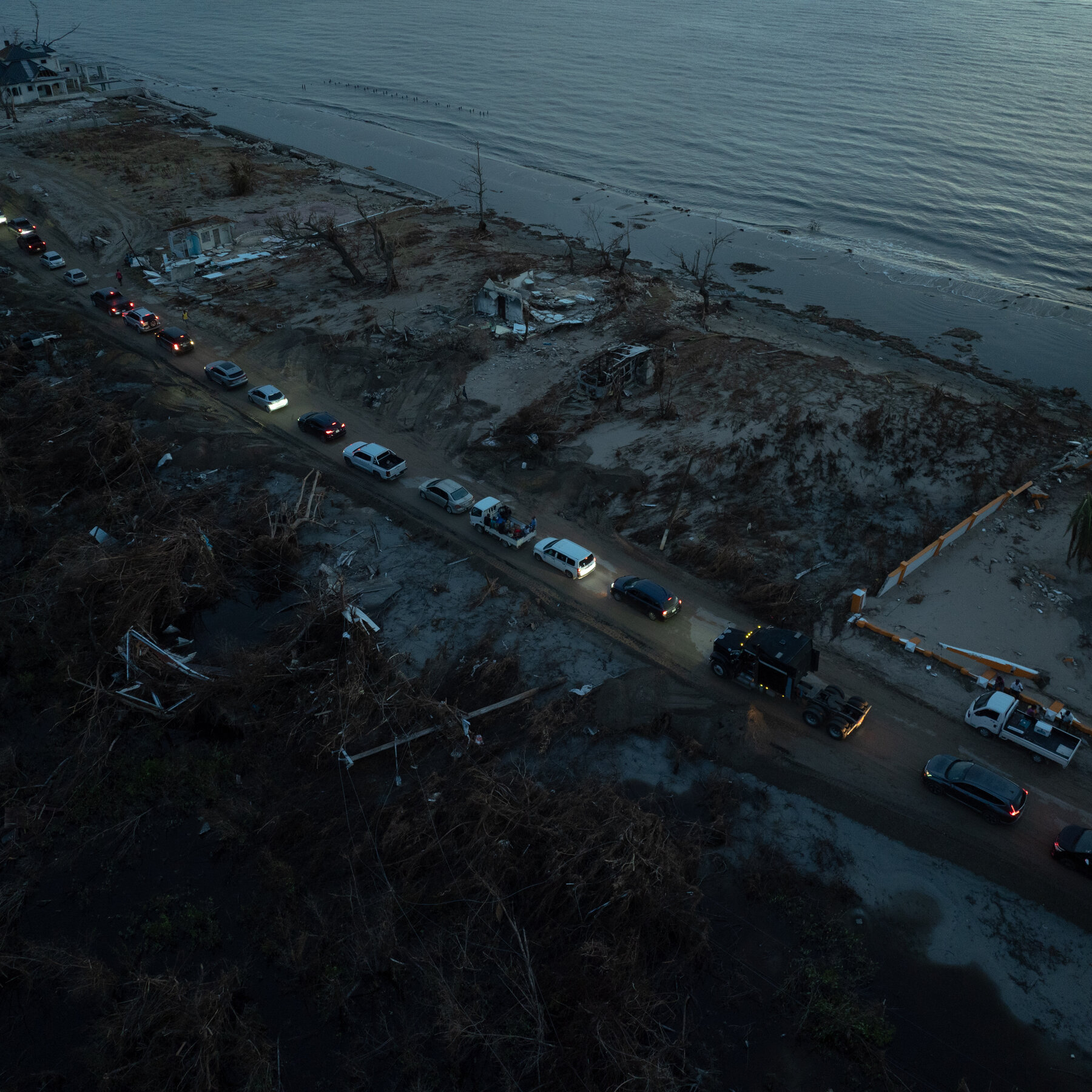
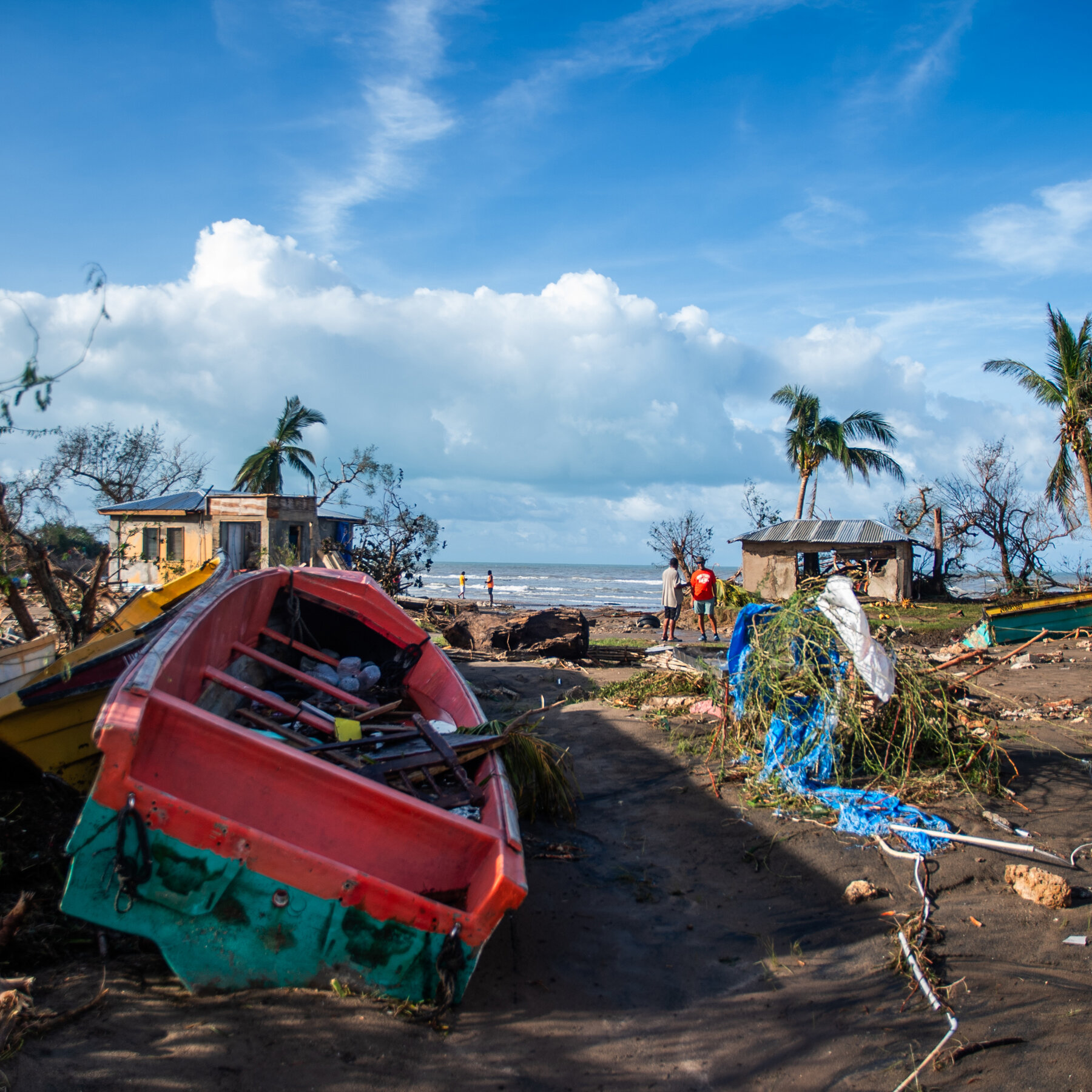
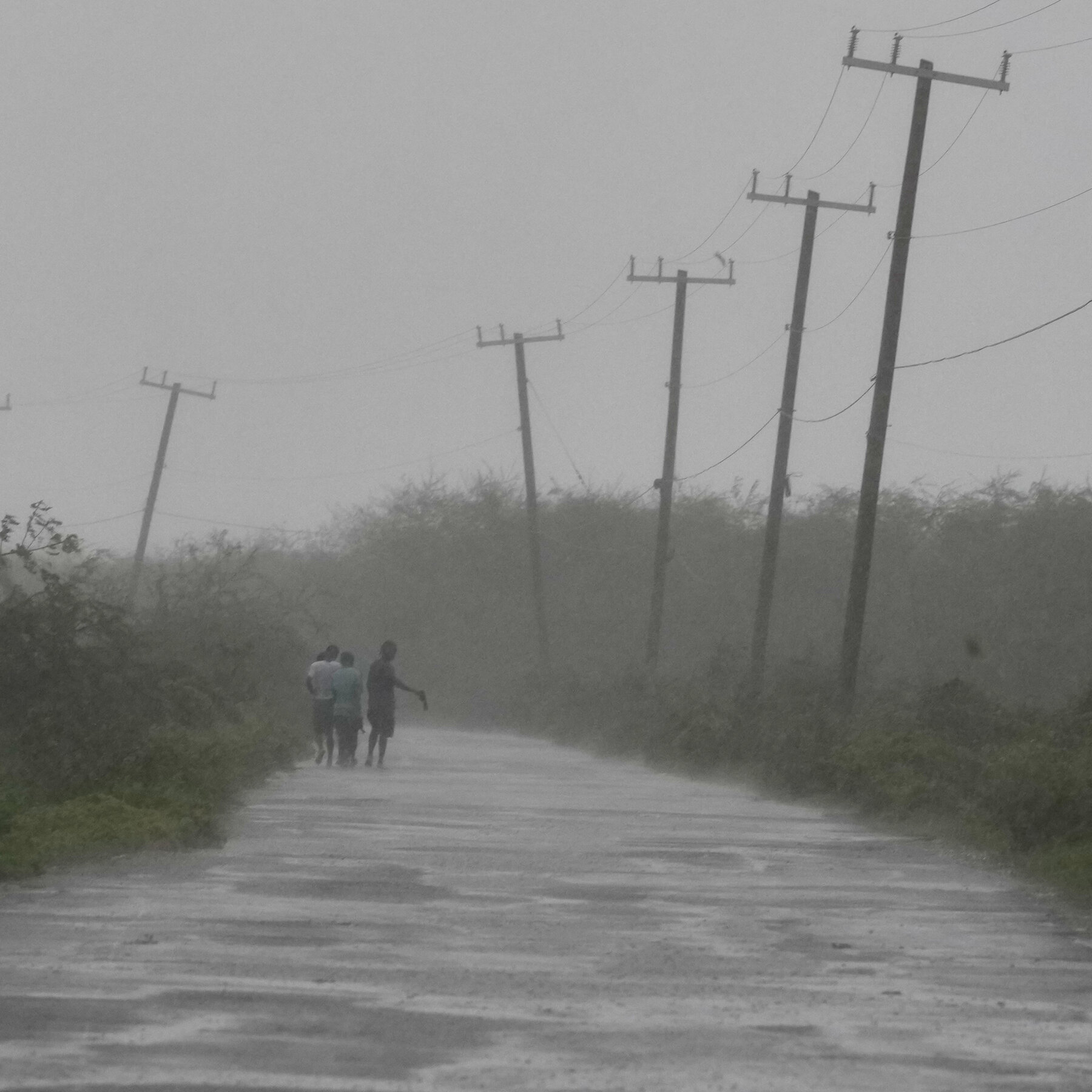
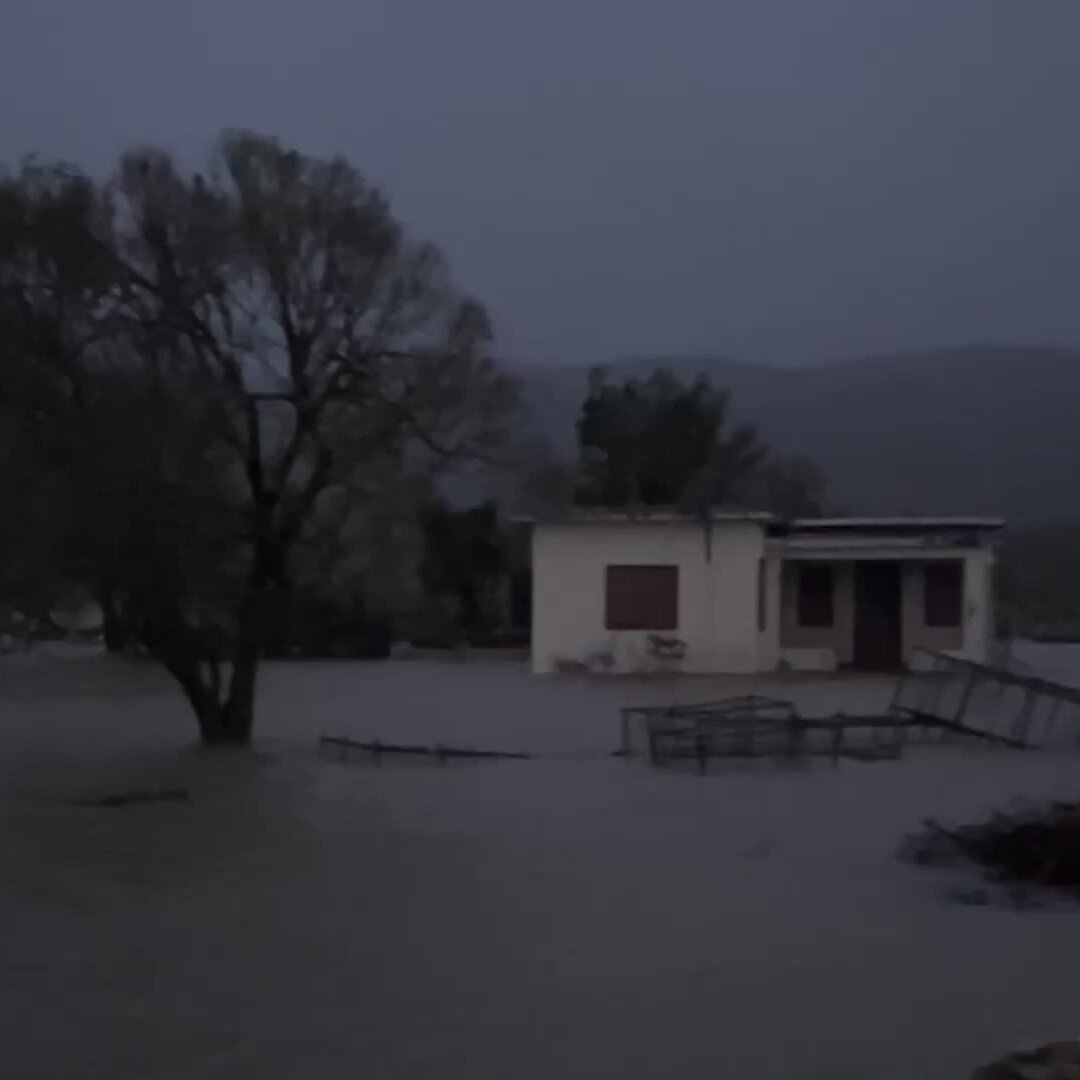
Hurricane Melissa made landfall in Jamaica on Tuesday afternoon, classified as a Category 5 storm, making it one of the strongest Atlantic hurricanes ever recorded. The storm caused widespread flooding and destruction across the island, leading to significant damage to infrastructure and disrupting internet access for most residents. Thousands of residents are now homeless, struggling to find food and clean water, particularly in communities like Black River, where families are traumatized and isolated from the outside world. The Jamaican authorities have not yet confirmed the death toll from the storm but expect it to rise as they assess the damage and reach isolated areas. In Haiti, at least 30 people have died due to the storm, highlighting the broader impact of Hurricane Melissa in the region. Rescue efforts are ongoing, but many areas remain cut off from assistance, complicating recovery efforts. The situation is critical, with local authorities facing significant challenges as they begin damage assessments and recovery efforts. The full extent of the damage is still being evaluated, and further updates are anticipated as officials continue to monitor the situation. In preparation for Hurricane Melissa, Cuba evacuated about 750,000 people ahead of the storm's arrival. After impacting Jamaica, the hurricane subsequently affected Cuba, raising concerns regarding safety and infrastructure in the region. The base commander at Guantánamo Bay expanded a previous evacuation order to include non-mission-essential U.S. citizens, indicating the seriousness of the situation. Approximately 25,000 tourists who were on the island during the storm have been accounted for and are reported safe, according to Jamaica's tourism minister. The focus remains on reaching isolated communities and providing necessary aid as recovery efforts continue.
Advertisement
Cluster Activity
Lindy Score Breakdown (V4.2)
Story Timeline
- 2025-10-17
- 2025-10-25
- 2025-10-26
- 2025-10-27
- 2025-10-28
- 2025-10-29
- 2025-10-30Amid Flattened Homes, Jamaica Starts to Assess Hurricane Melissa’s Damage (current)
- 2025-11-02
Score BreakdownRisk 35
Stories gain Lindy status through source reputation, network consensus, and time survival.
Same Story from 11 sources



Breaking Similar stories

Anti-Lindy Similar stories