How Venezuela’s Military Might Respond to U.S. Attacks
The New York Times • 10/10/2025 – 11/5/2025
Summary
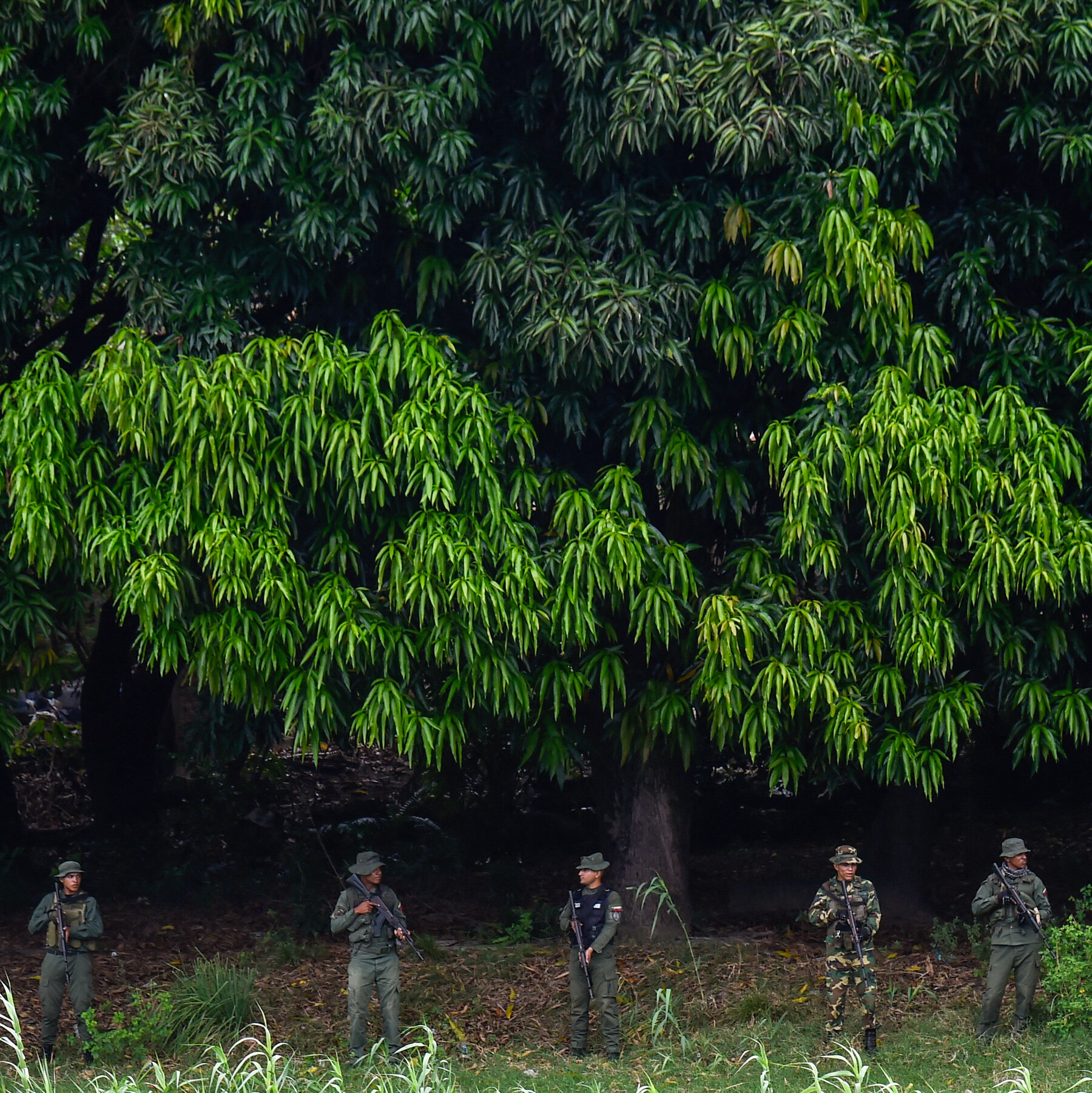
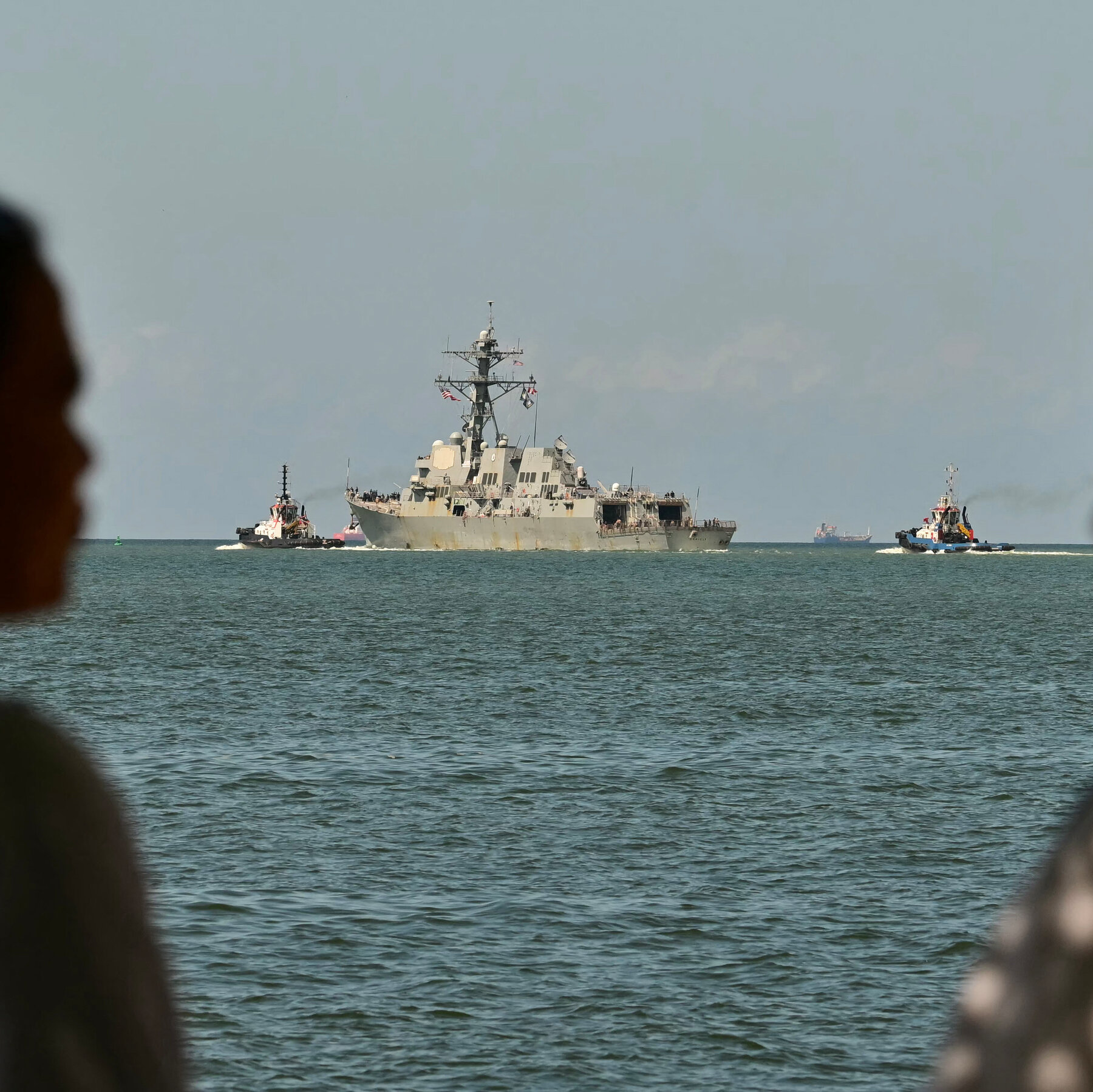
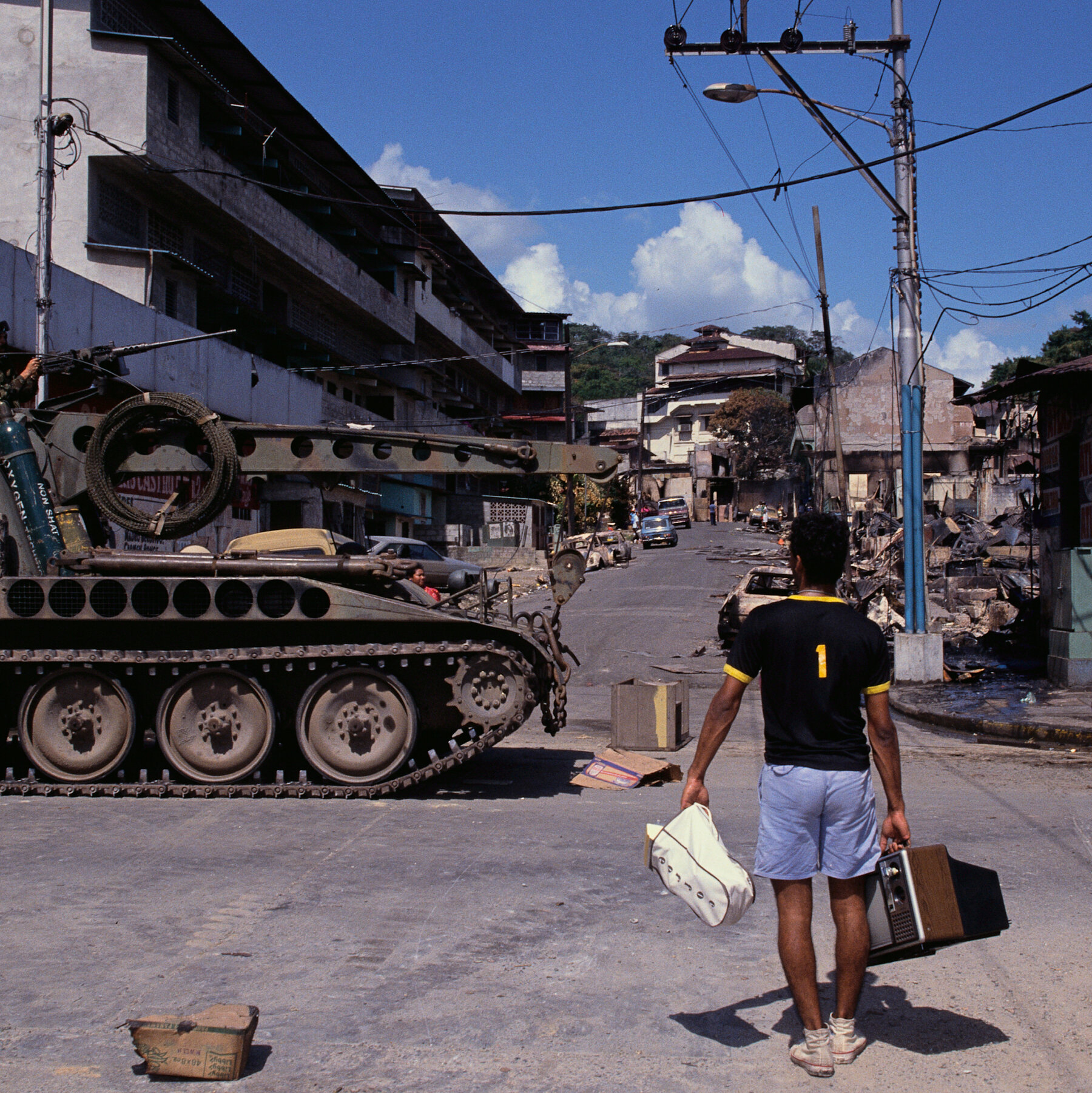
The United States has recently seized an oil tanker named The Skipper off the coast of Venezuela. This tanker, which was previously sanctioned by the U.S. in 2022, is believed to have been carrying approximately 1.1 million barrels of Venezuelan oil. This operation is part of a broader strategy by the U.S. to exert military pressure on the government of President Nicolás Maduro. The U.S. has built up the largest military presence in the region in decades, including the USS Gerald R. Ford, the newest and largest aircraft carrier, along with over 4,000 sailors, fighter jets, and accompanying warships. The U.S. government's actions, including military deployments and sanctions, are perceived by some as efforts to dislodge President Maduro. President Trump has stated that his administration aims to tackle the drugs trade in the region. However, analysts caution that the complexities of Venezuela's situation differ significantly from past U.S. interventions, such as the one in Panama. The potential for a coup against Maduro is viewed skeptically, given Venezuela's military capabilities and the presence of armed civilian cells that could engage in guerrilla warfare. In addition to the military and economic pressures, the political landscape in Venezuela remains tumultuous. María Corina Machado, a prominent opposition leader, has been awarded the Nobel Peace Prize, highlighting her influence in galvanizing opposition against Maduro. Analysts indicate that she played a significant role in a movement that purportedly won last year’s election, which was subsequently claimed to have been stolen by Maduro. This ongoing political turmoil adds another layer of complexity to the situation in Venezuela.
Advertisement
Cluster Activity
Lindy Score Breakdown (V4.2)
Story Timeline
- 2025-10-10
- 2025-10-14
- 2025-10-24
- 2025-11-05How Venezuela’s Military Might Respond to U.S. Attacks (current)
- 2025-11-11
- 2025-11-24
- 2025-12-10
- 2025-12-11
AnalysisRisk 10
Same Story from 9 sources





Breaking Similar stories

Anti-Lindy Similar stories
