Amazon Oil Drilling Undermines Brazil’s Climate Credibility Before COP30
The New York Times • 10/6/2025 – 11/4/2025

Summary
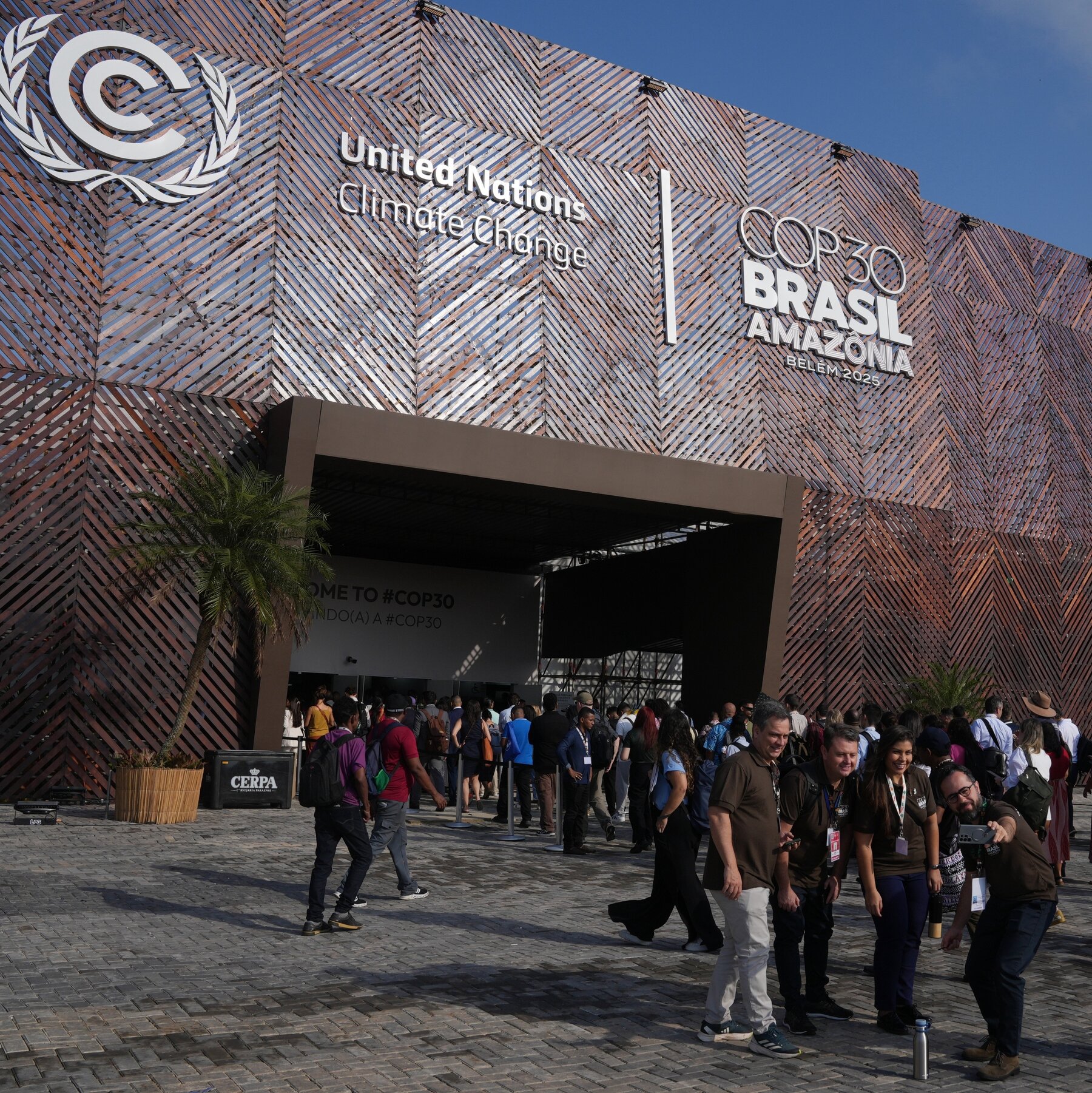
Brazil is set to host the 30th U.N. Climate Change Conference (COP30) this month, aiming to position itself as a leader in environmental protection. However, the country faces criticism due to its ongoing oil drilling activities in the Amazon, which undermine its climate credibility. This contradiction raises concerns about Brazil's commitment to safeguarding the planet while hosting a significant international climate summit. In addition to the oil drilling controversy, the conference has brought changes to local culture and infrastructure, particularly in Belém’s Ver-o-Peso market, which has undergone a makeover to accommodate the influx of visitors for the U.N. Climate Change Conference. While some local residents have expressed excitement about the improvements, others have voiced their displeasure, highlighting the mixed reactions to the changes brought about by the event. Furthermore, the attendance of American business leaders at the conference has been notably low, with many executives opting to skip the event or participate in activities in other cities. This absence raises questions about the engagement of the business community in global climate discussions, particularly in a country that is trying to assert its leadership role in climate action. Overall, Brazil's hosting of COP30 is marked by a complex interplay of environmental challenges, local reactions to changes in cultural spaces, and the participation of key stakeholders, all of which contribute to the narrative surrounding the conference and Brazil's environmental policies.
Advertisement
Cluster Activity
Lindy Score Breakdown (V4.2)
Story Timeline
- 2025-10-06
- 2025-11-04Amazon Oil Drilling Undermines Brazil’s Climate Credibility Before COP30 (current)
- 2025-11-12
- 2025-11-16
Score BreakdownRisk 35
Stories gain Lindy status through source reputation, network consensus, and time survival.
Same Story from 4 sources

Breaking Similar stories

Anti-Lindy Similar stories